Magical

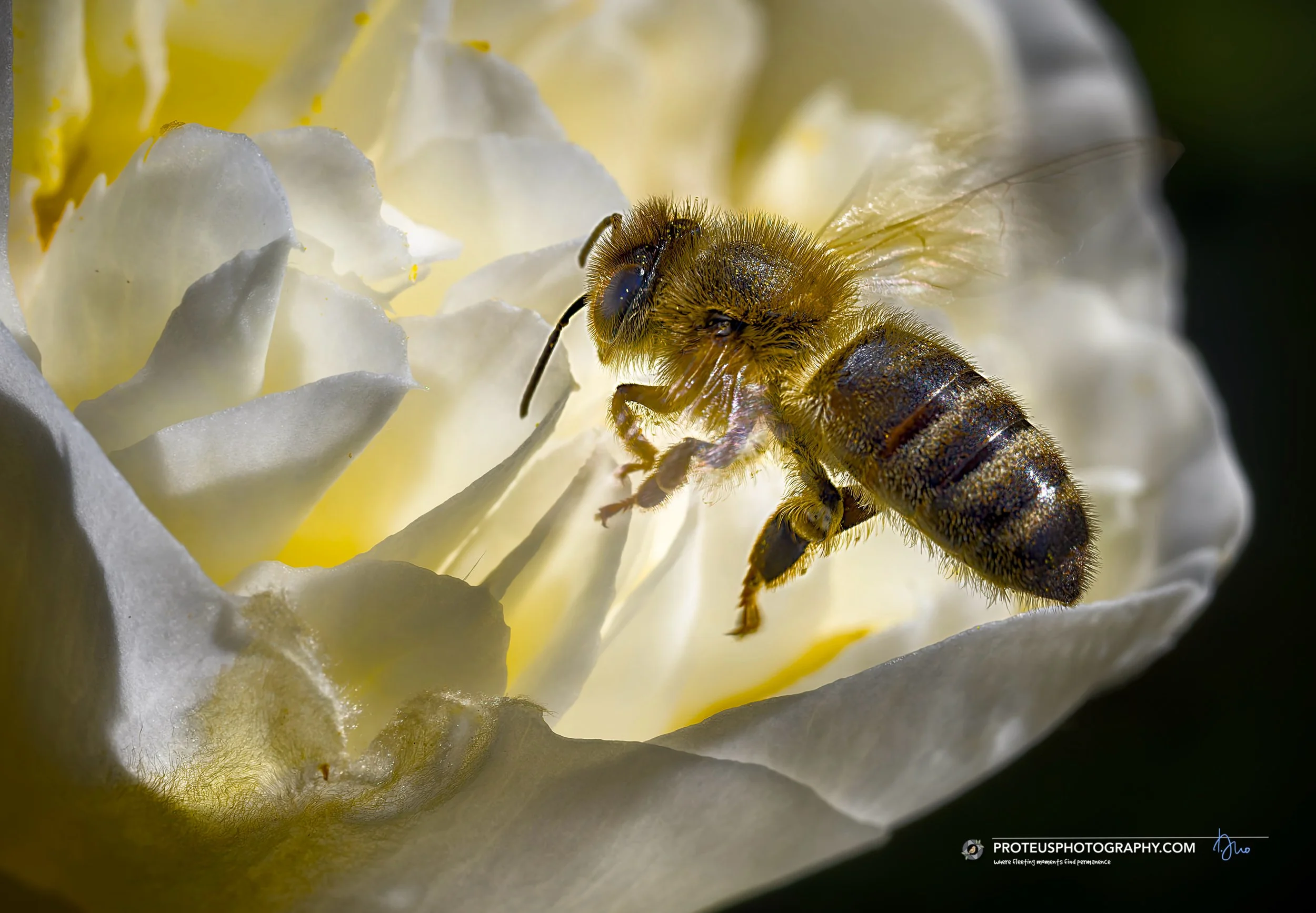
Behold - the honey bee (apis mellifera):
… the six-legged masterpiece of engineering and the only creature on Earth who can show up to work in a fur coat, shove her face into the buffet, and still be considered the most productive member of the ecosystem
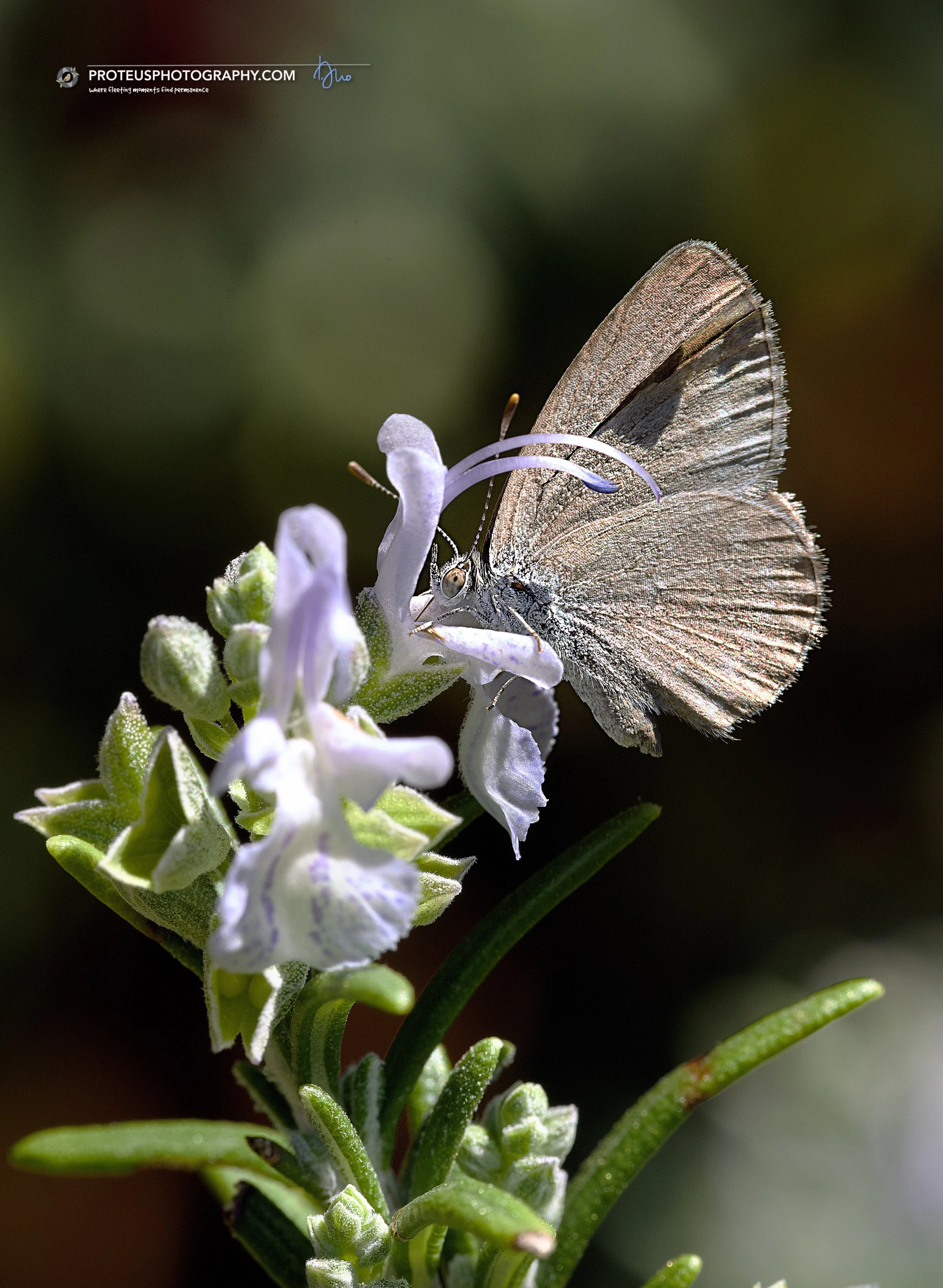
grass blue butterfly (zizina labradus)
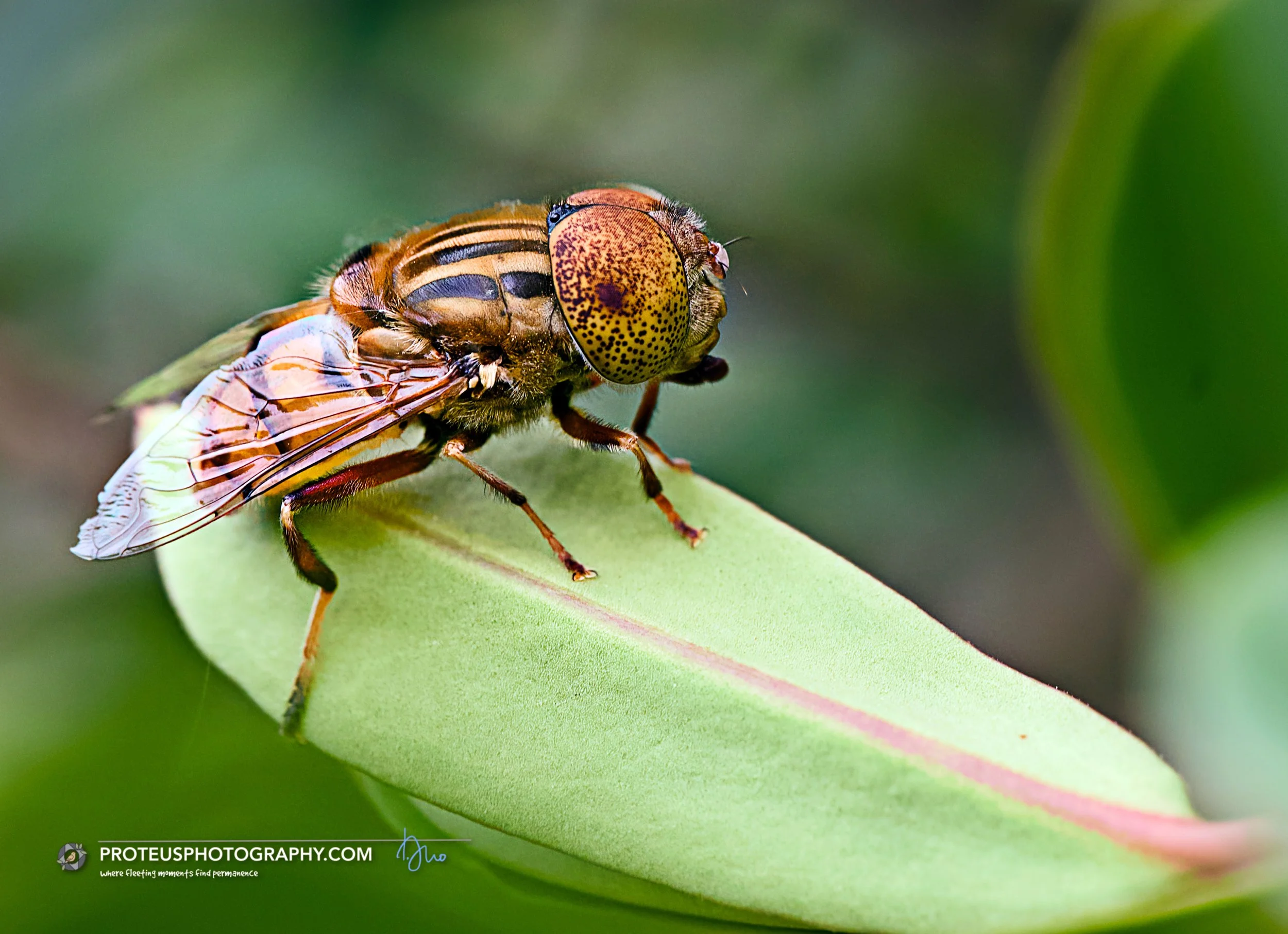
not a bee, not a wasp; just a fly, a spotted eyed drone fly (eristalinus punctulatus), working hard on its disguise and weighing its life choices from this leaf.
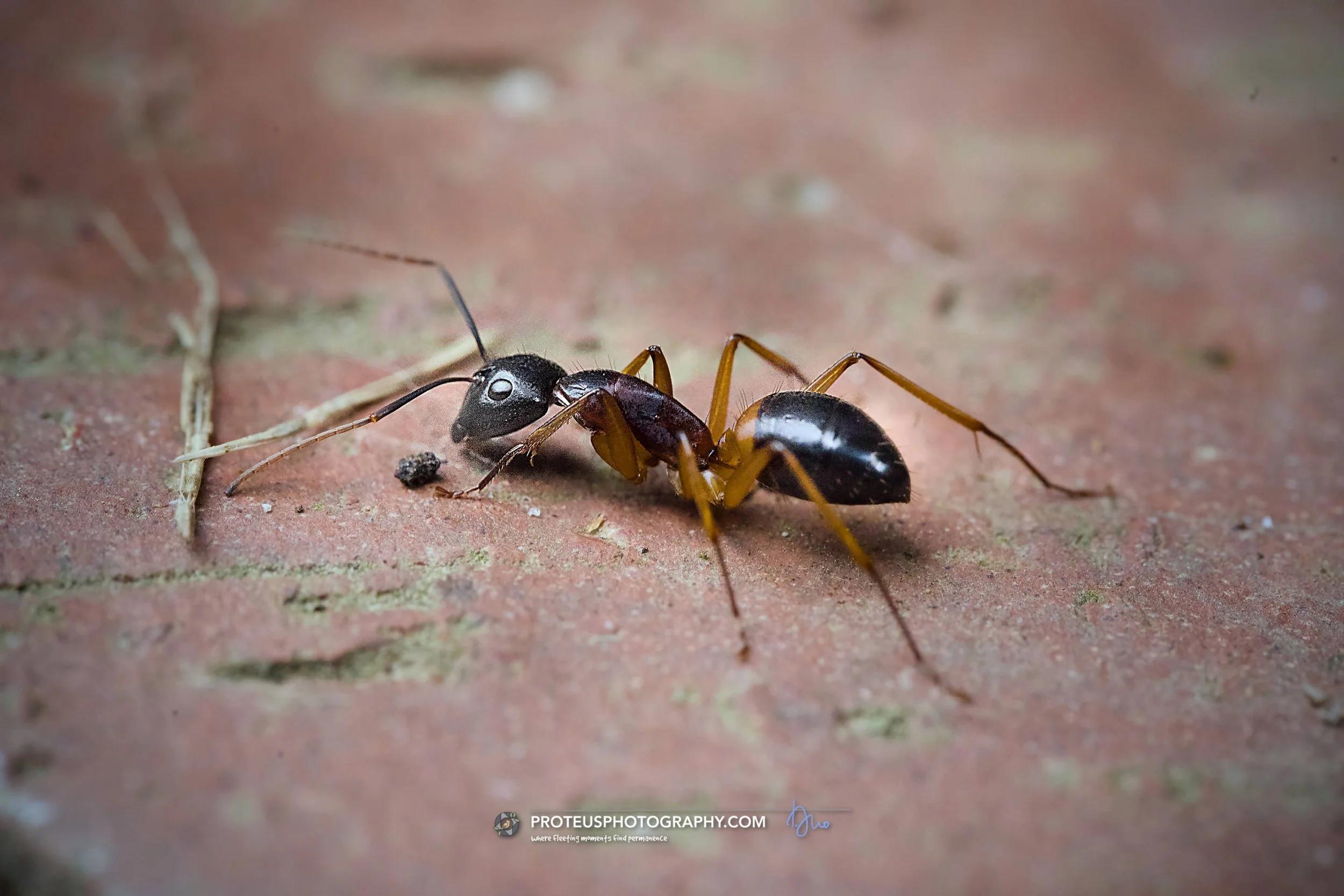
the banded sugar ant (camponotus consobrinus), an iconic and common Australian native ant easily recognized by its striking coloration
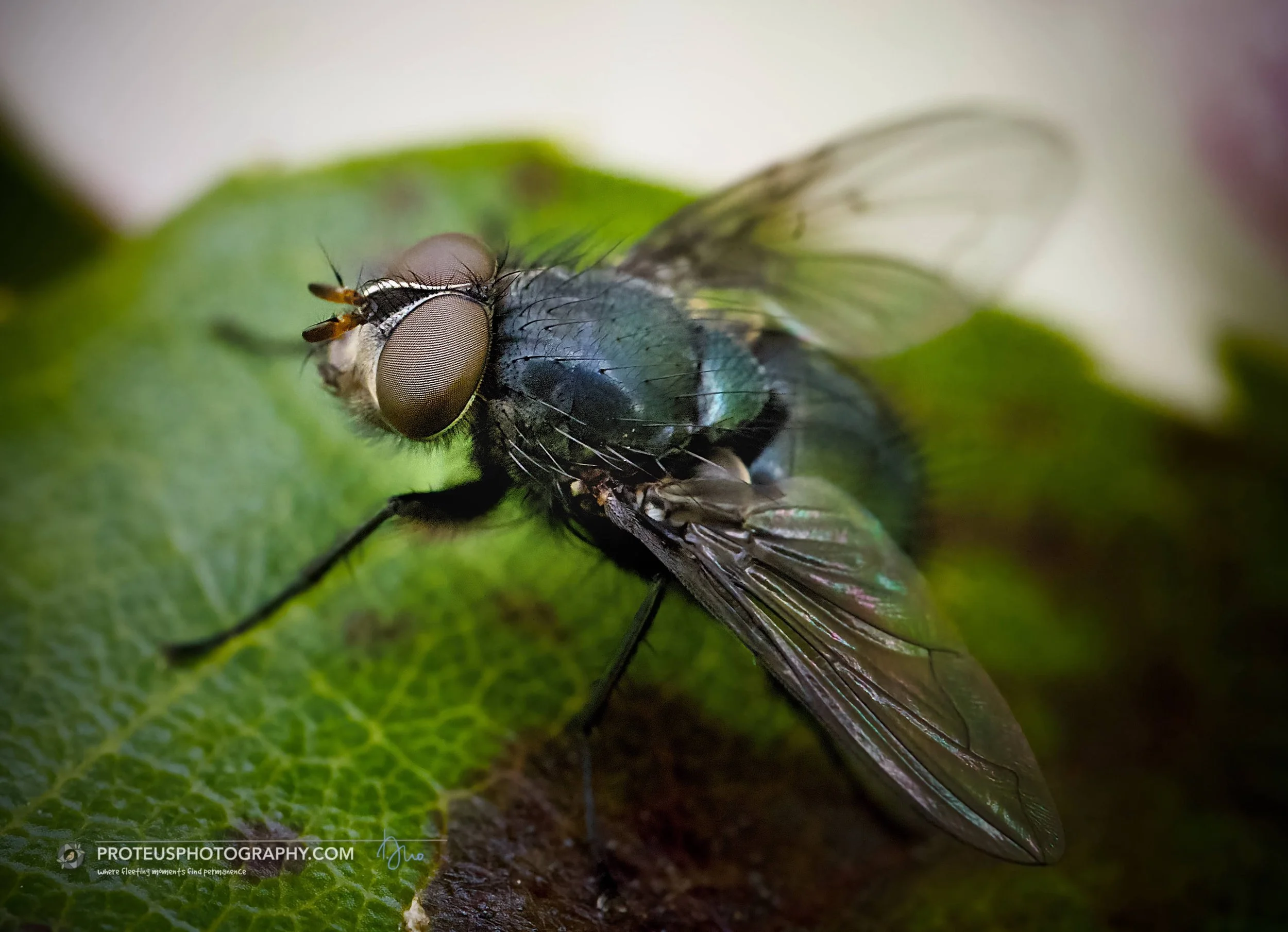
shiny blue bottle fly, (cynomya cadaverina)
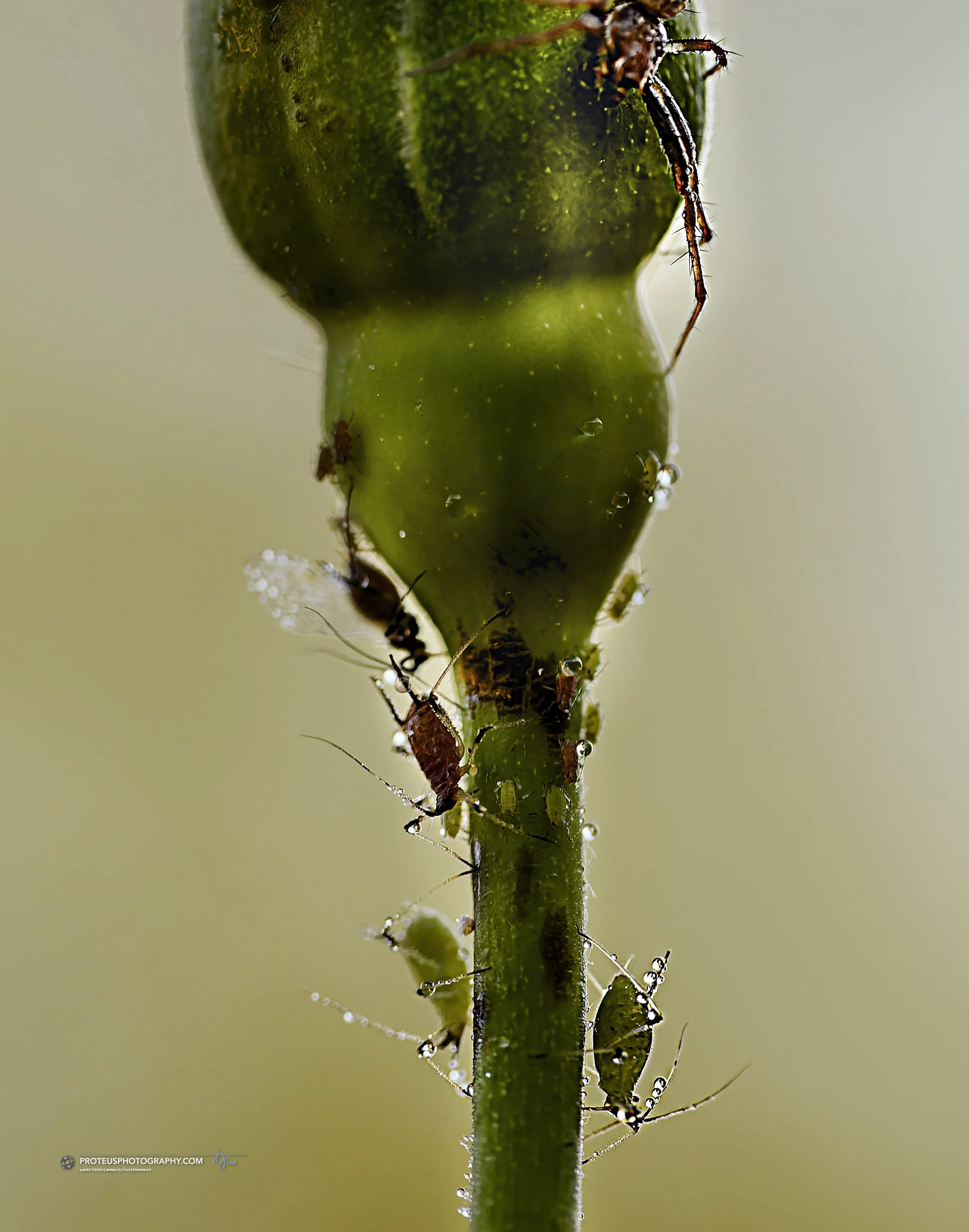
Aphids clustered on the stem and the base of the bud, including a winged adult (alate) near the center. With a hunting spider (likely a Lynx or Crab spider variant) waiting for a meal to come along.
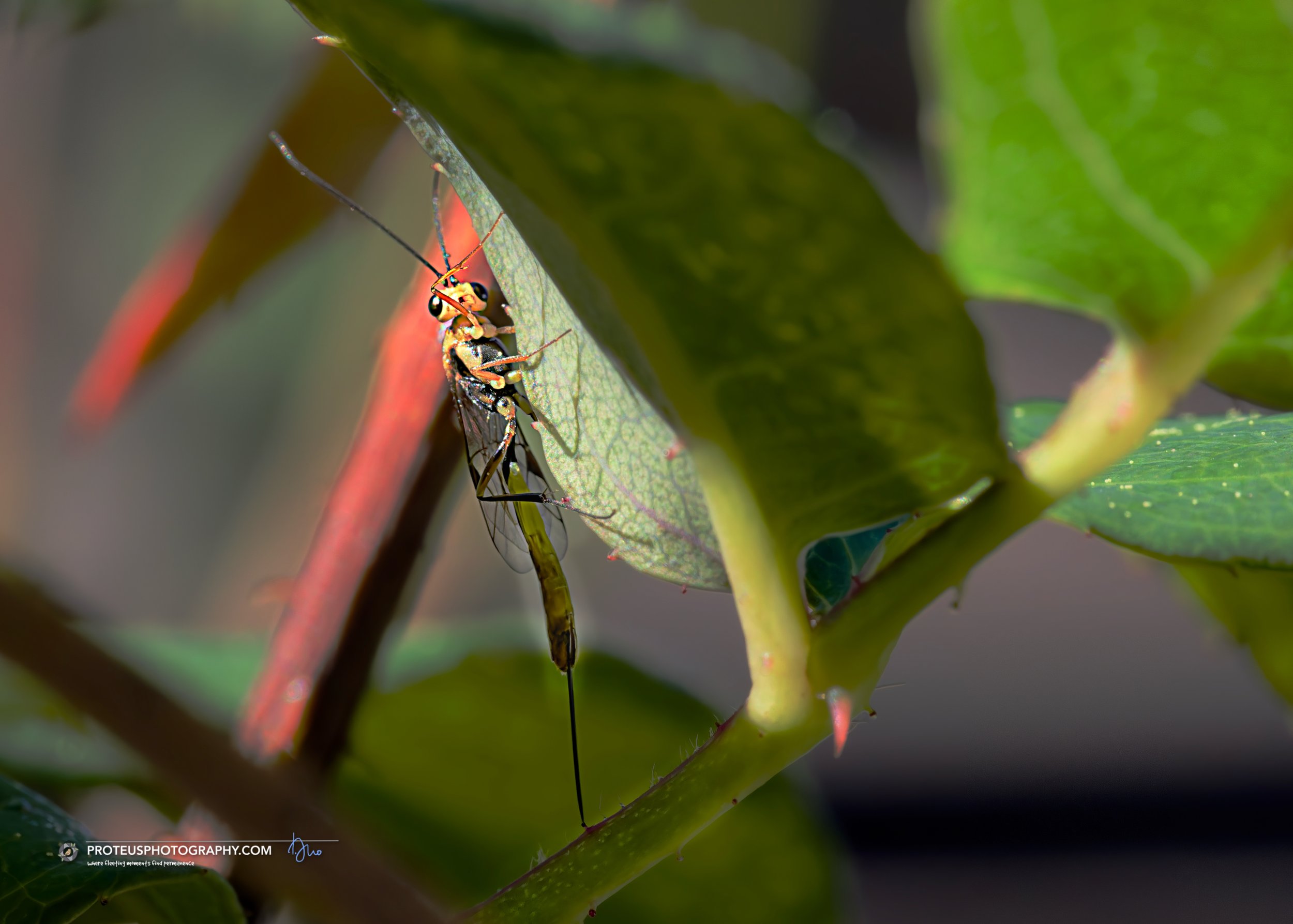
Darwin wasp (ichneumon) - female parasitoid wasp from the family Ichneumonidae
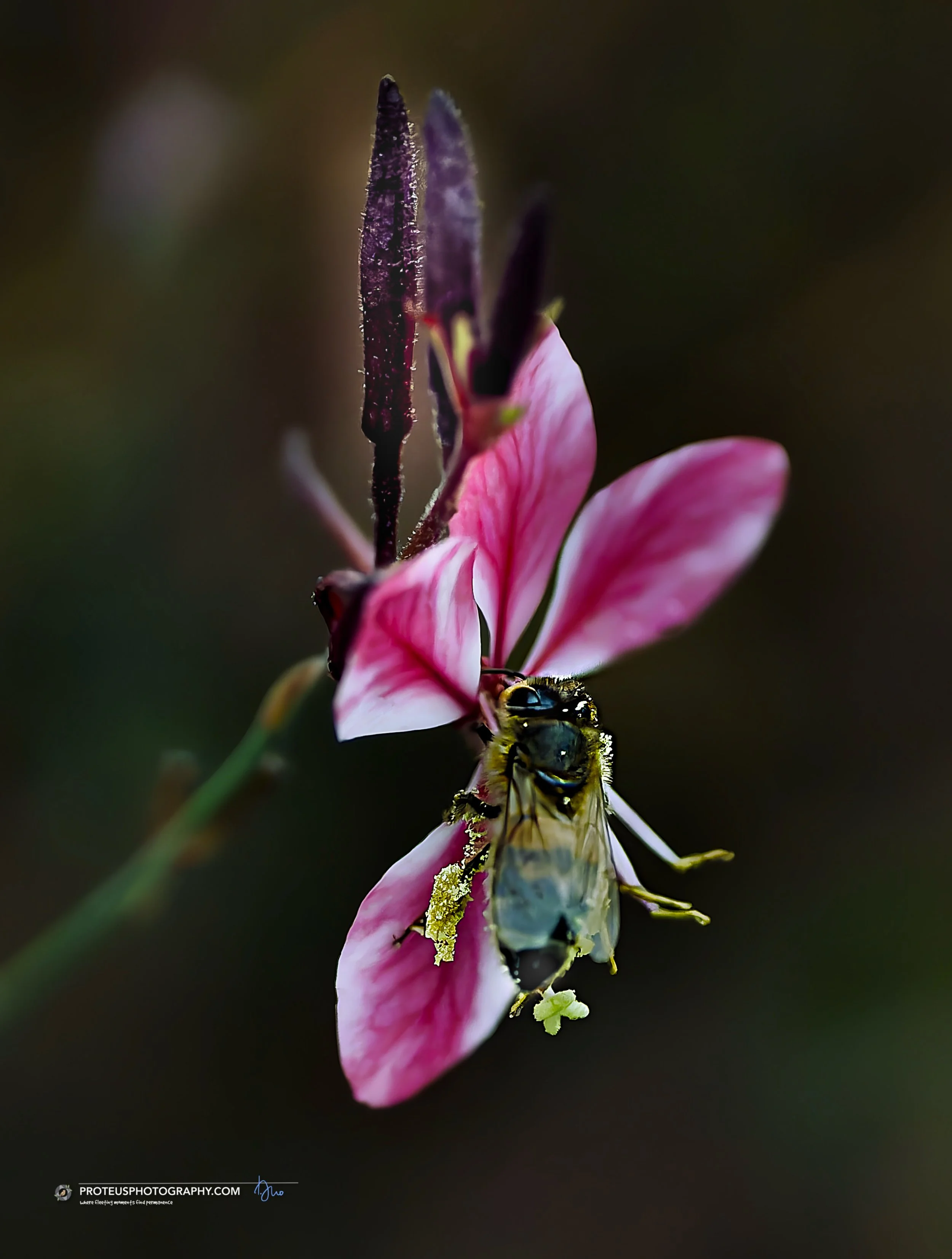
A honey bee (Apis mellifera) gathering pollen from the Gaura lindheimeri, also known as beeblossom.
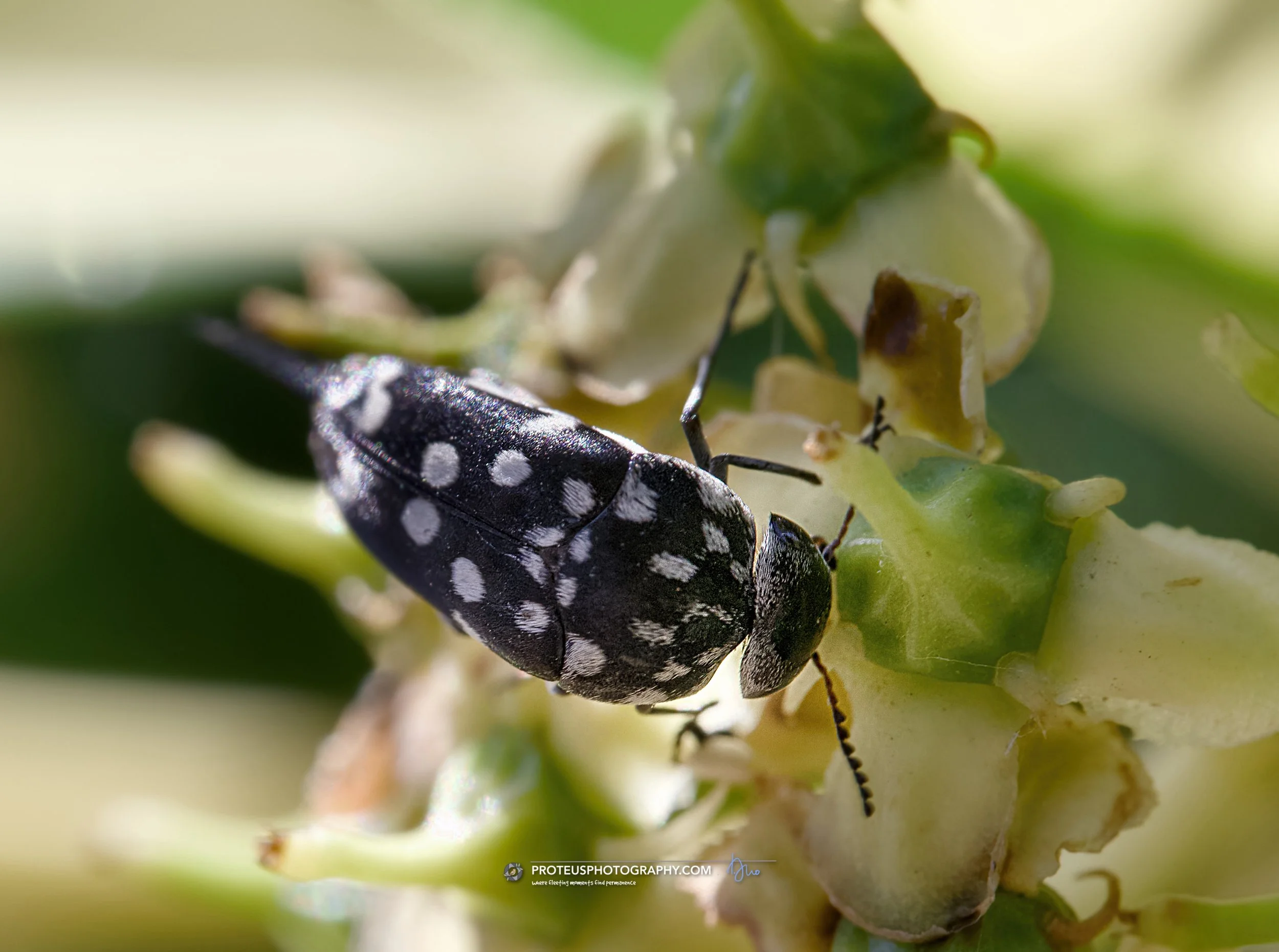
white-spotted pintail beetle (hoshihananomia dumbrelli) - also known as the "tumbling flower beetle" from its habit of tumbling off vegetation if disturbed
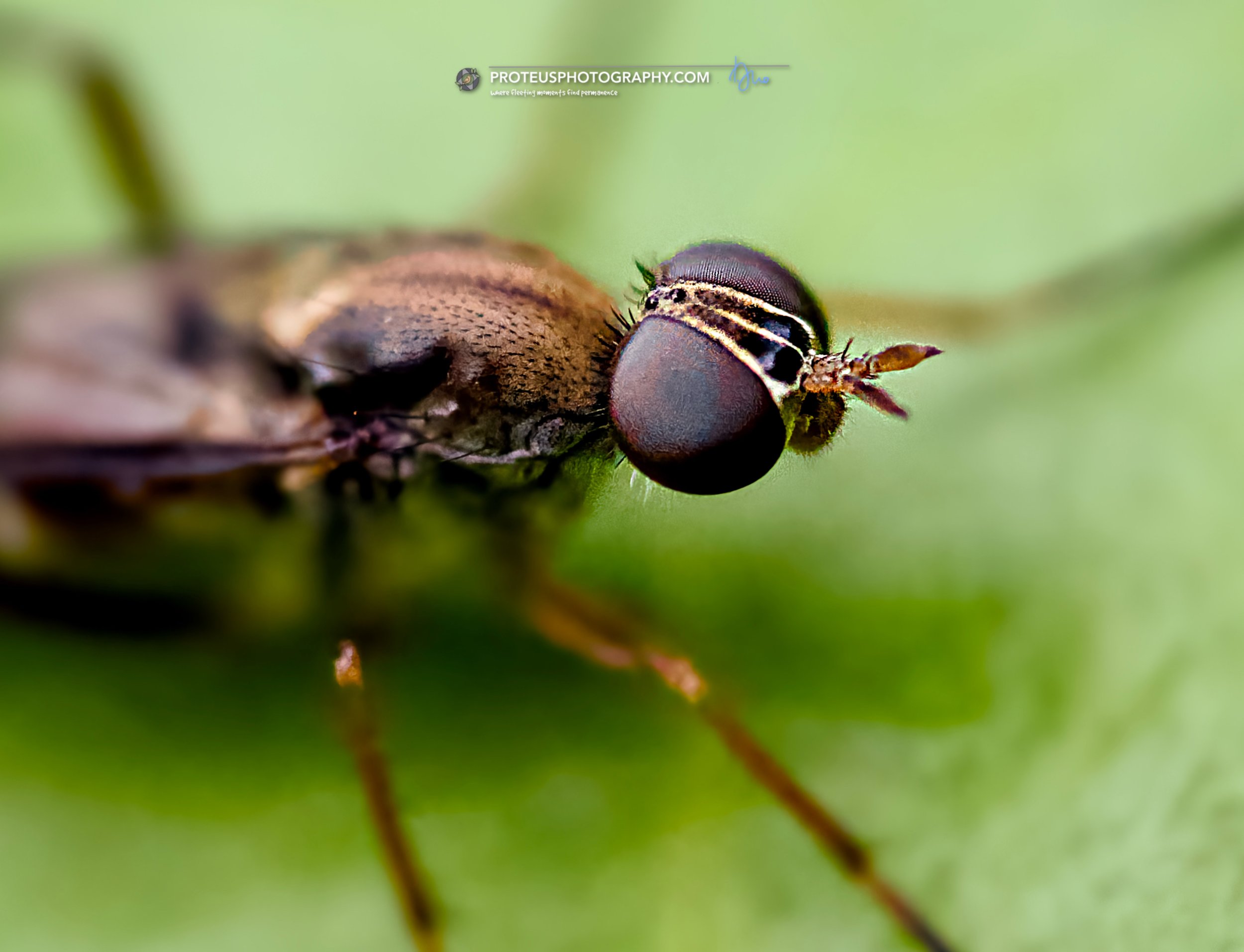
snipe fly (rhagionidae), has a slender body, sparse hair, and noticeably long legs; but still a fly
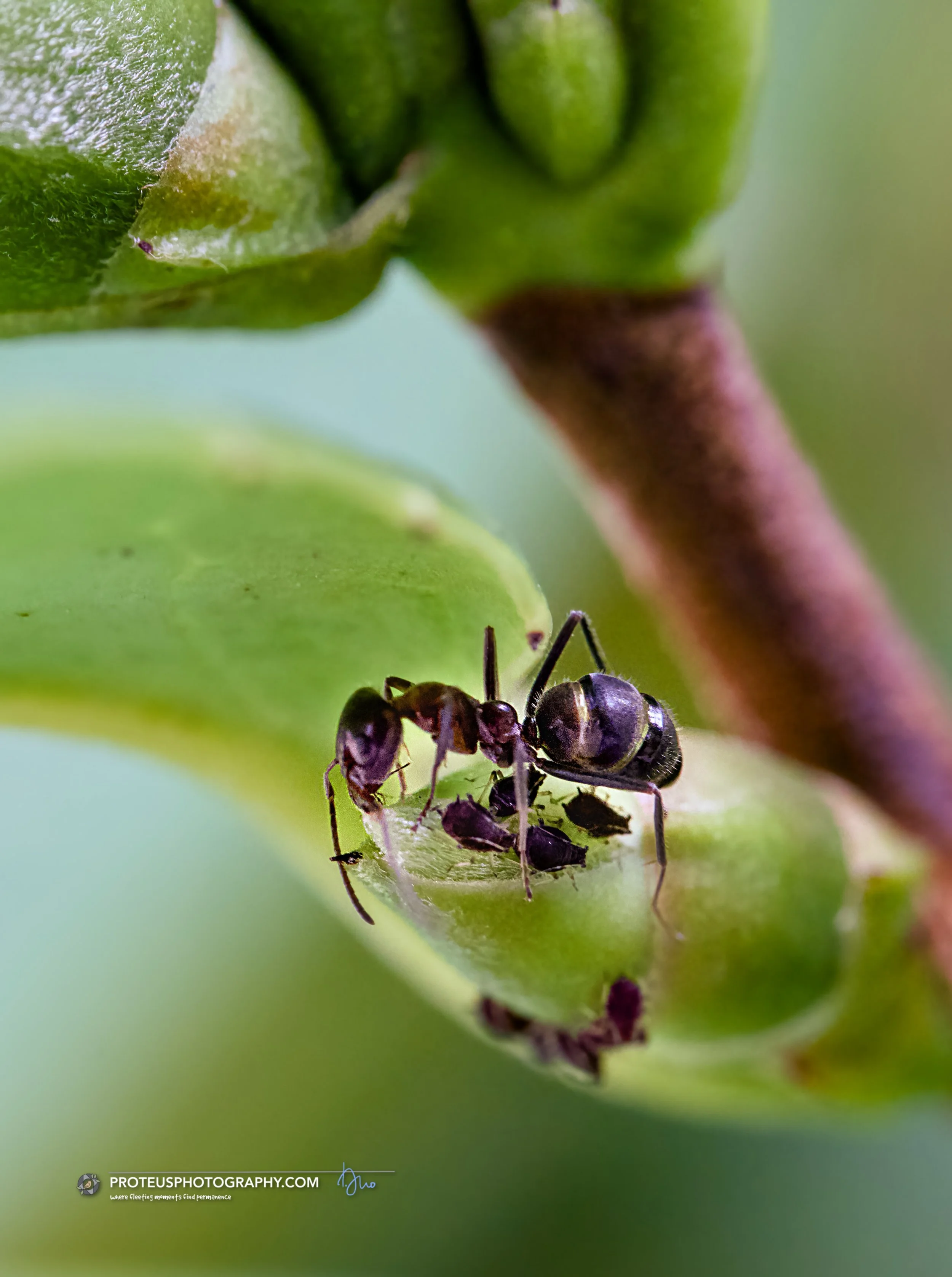
.. the ant is protecting the aphids from predators and "milking" them for honeydew, a sugary liquid they secrete, in symbiosis
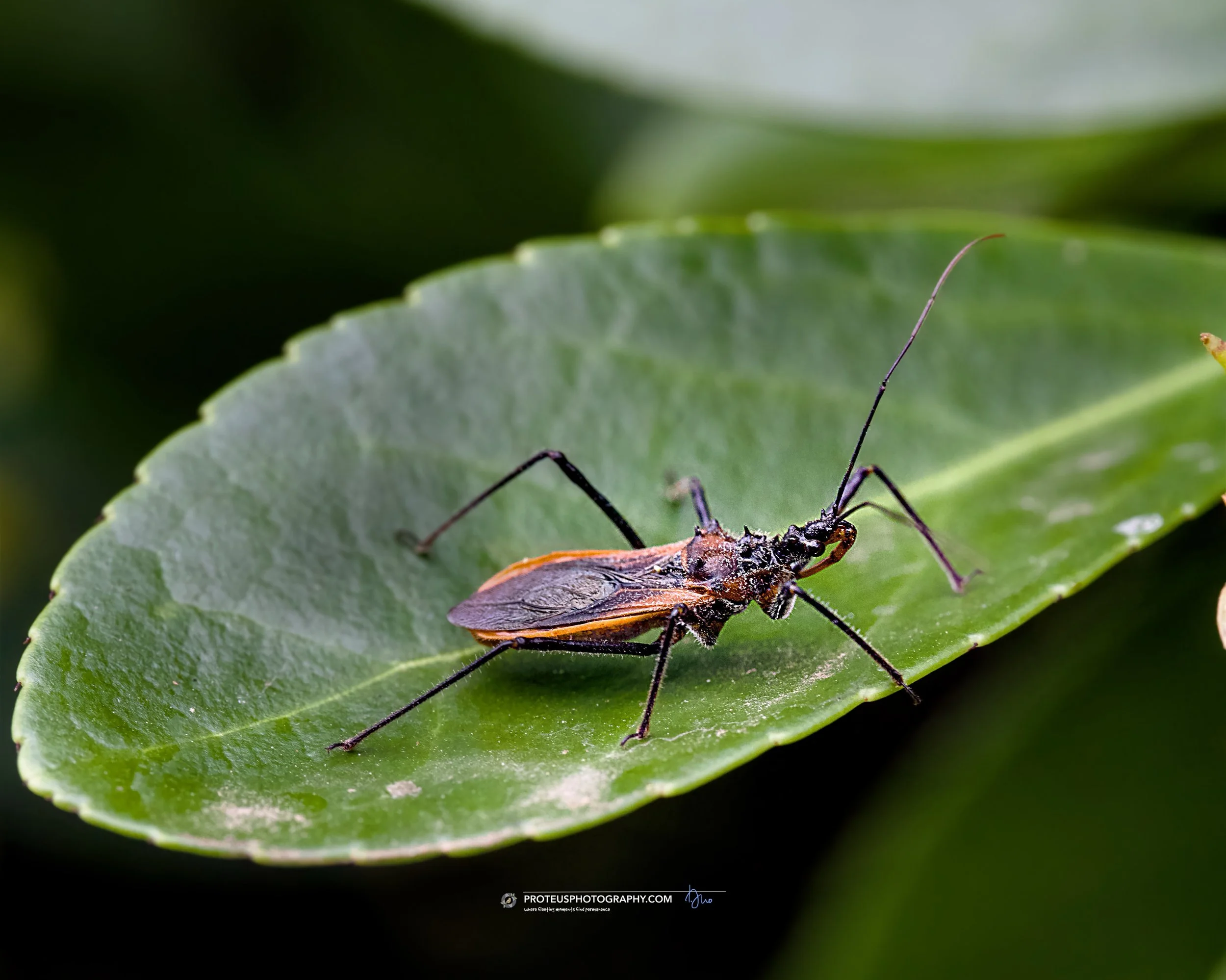
orange assassin bug (gminatus australis).
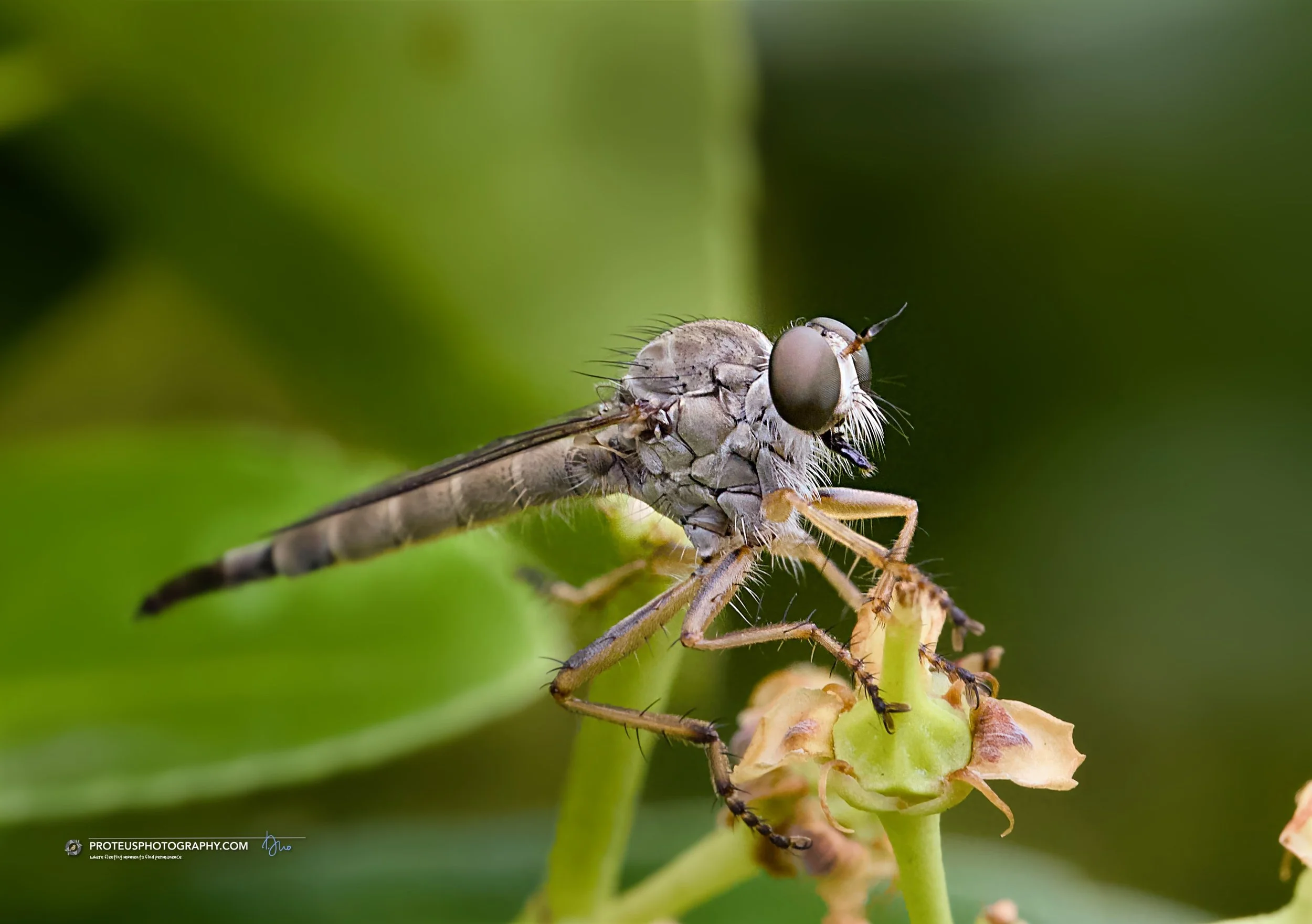
robber fly (family Asilidae) - predatory flies, also known as assassin flies or bee killers!
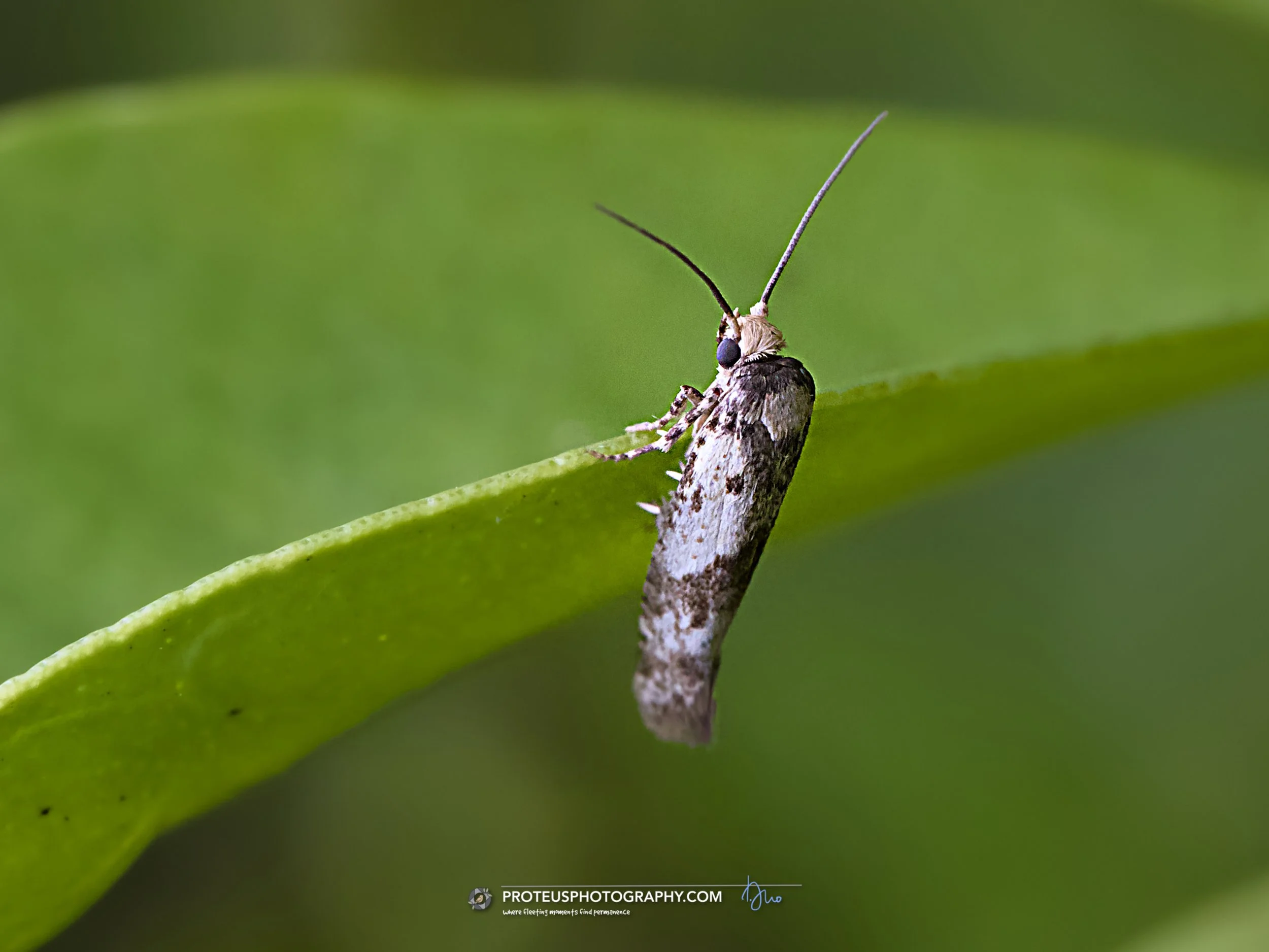
on a leaf's edge, is the citrus flower moth (prays nephelomima)
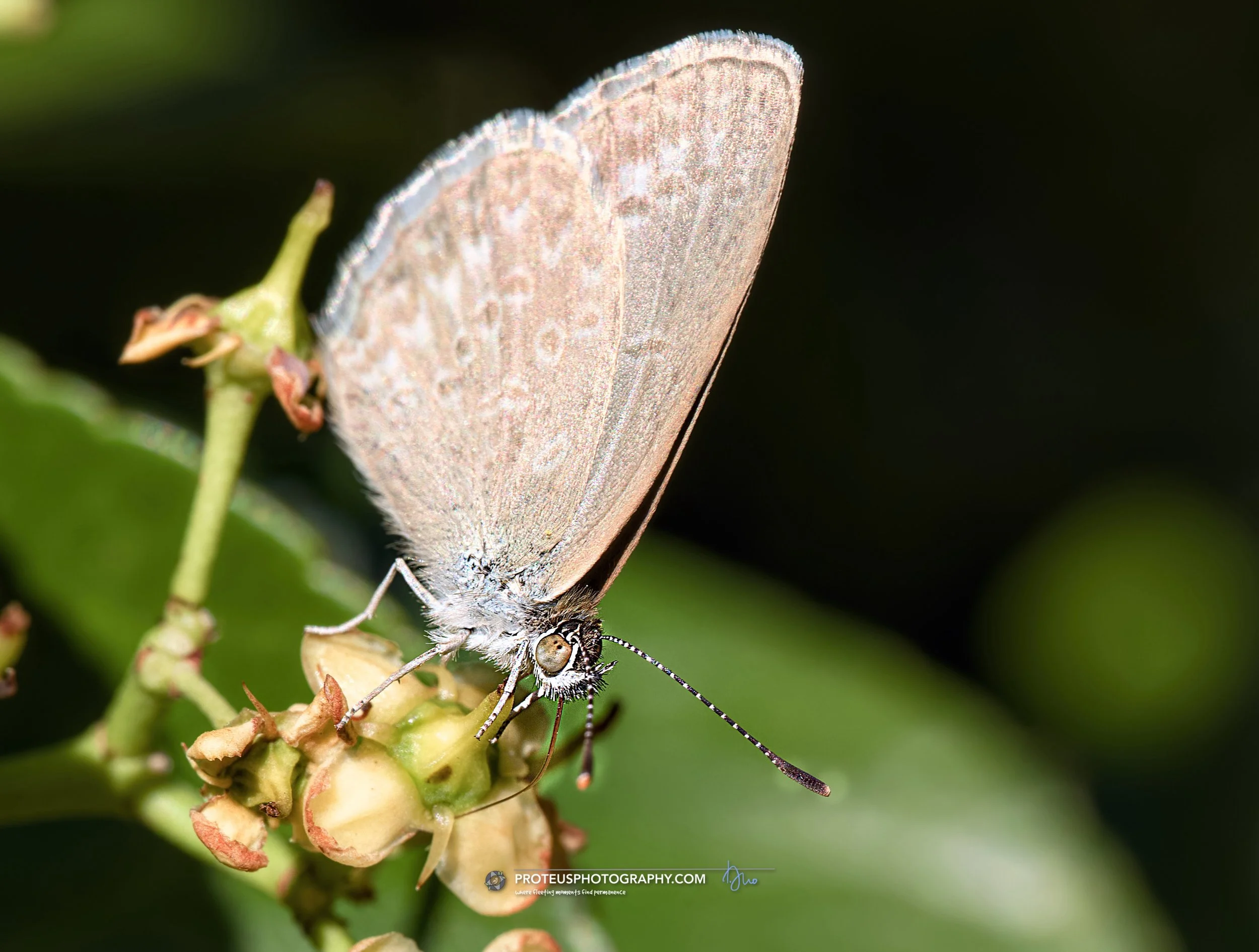
grass-blue butterfly (zizina labradus or zizina otis ssp. labradus)
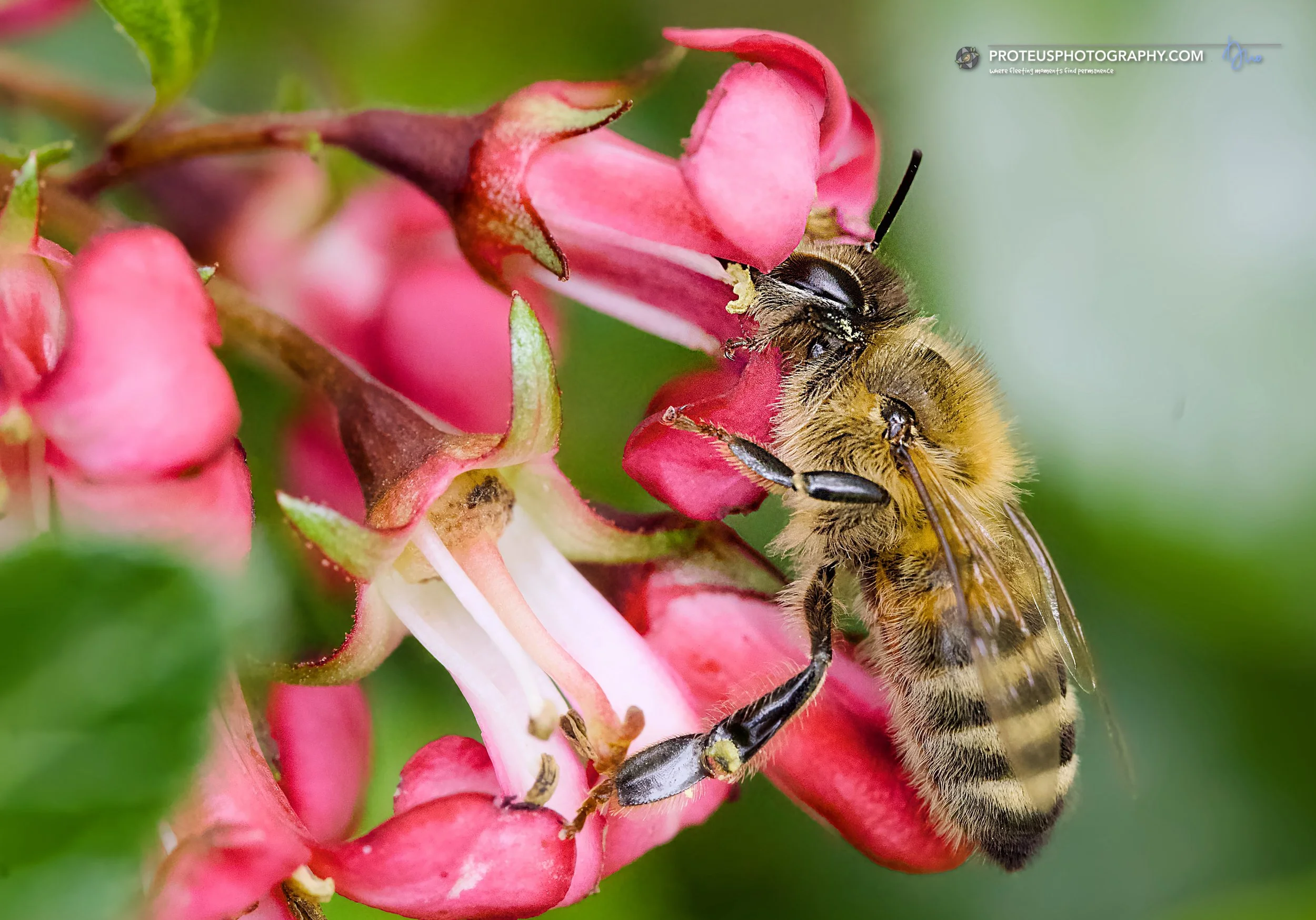
honey bee (apis mellifera) collecting nectar from the pink flowers of an Escallonia shrub.
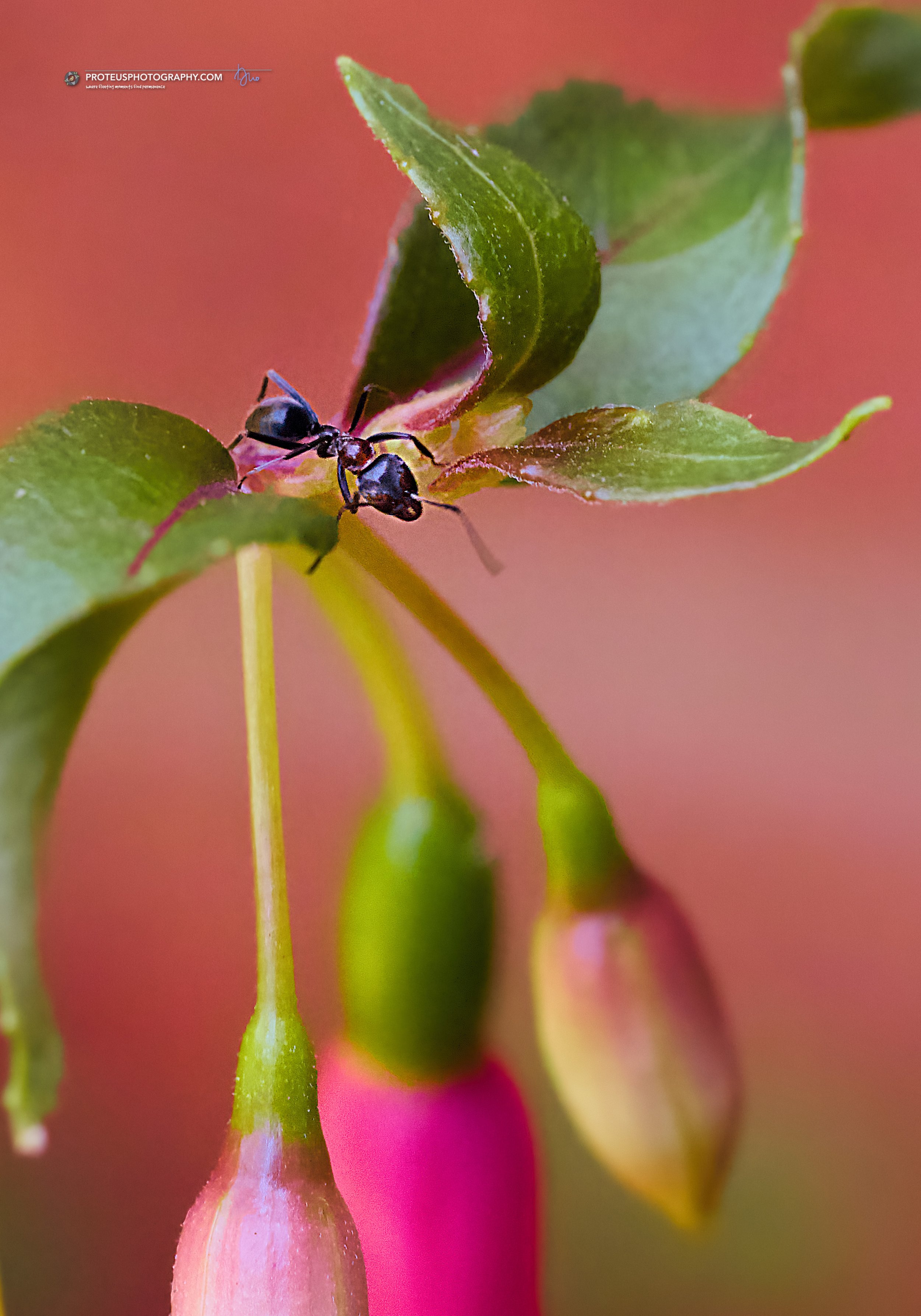
... on the fuchsia plant collecting nectar is the meat ant (iridomyrmex purpureus)
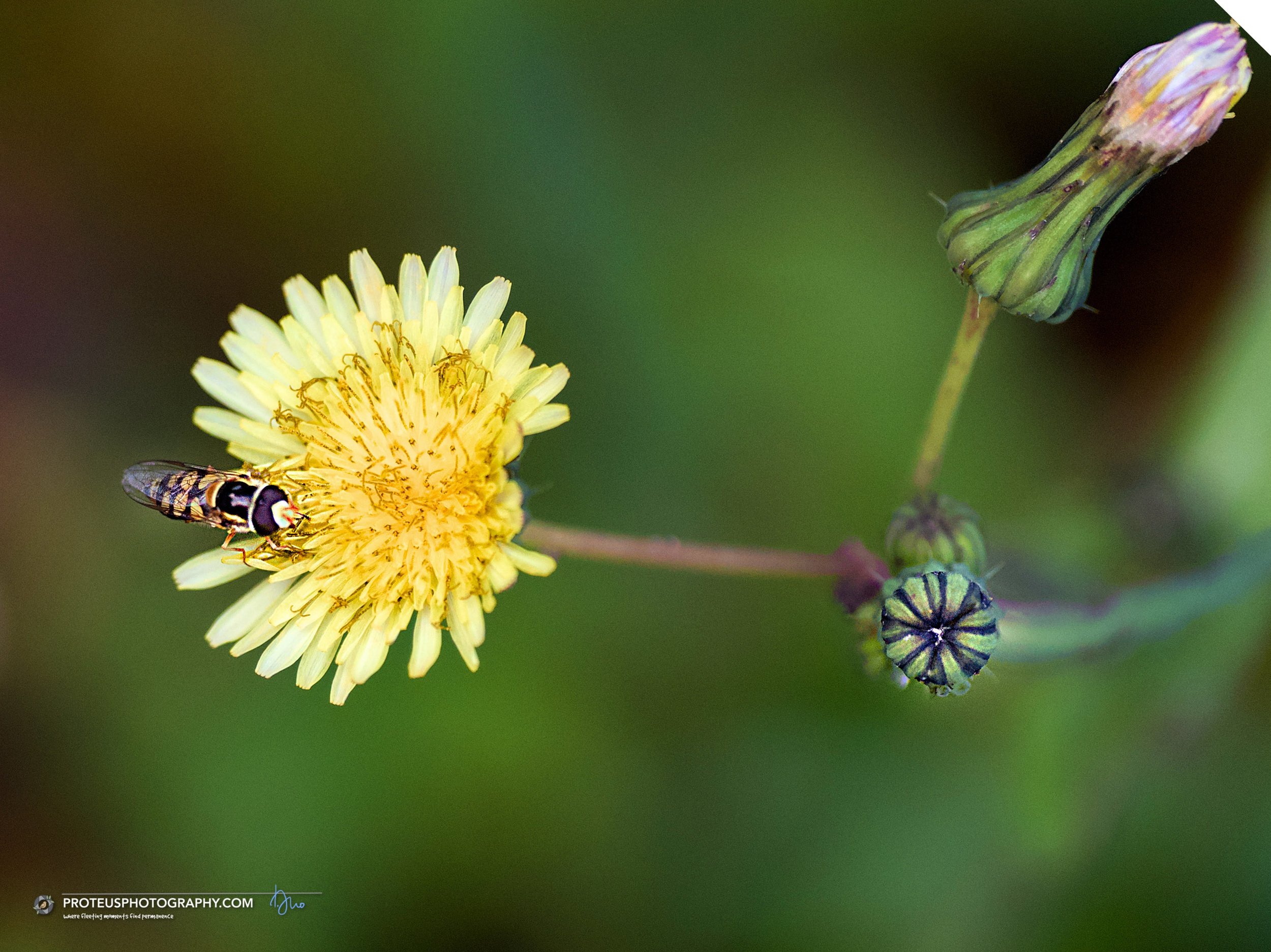
hover fly (eupeodes fumipennis) on dendelionn (taraxacum officinale),
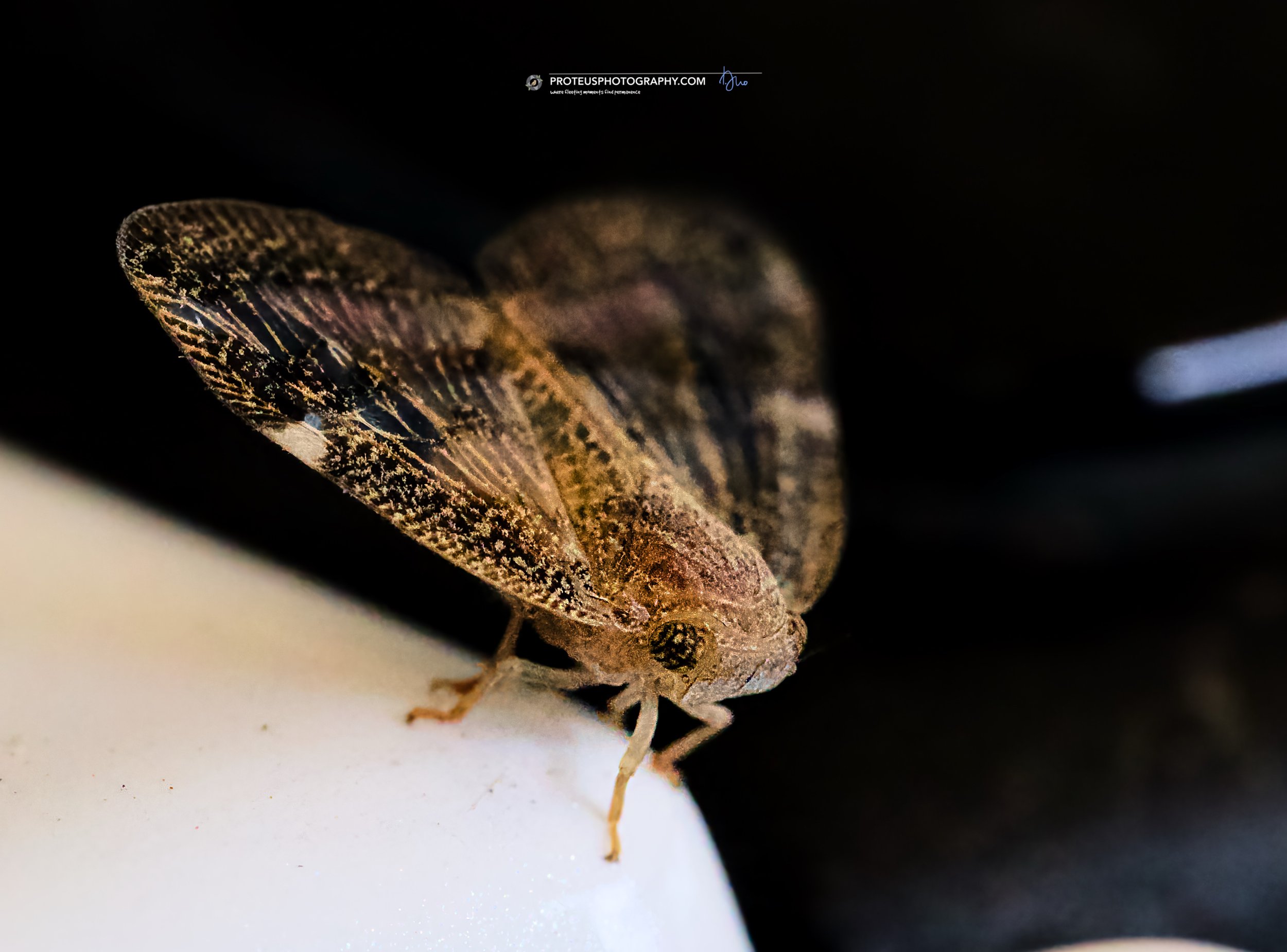
passionvine hopper (scolypopa australis).
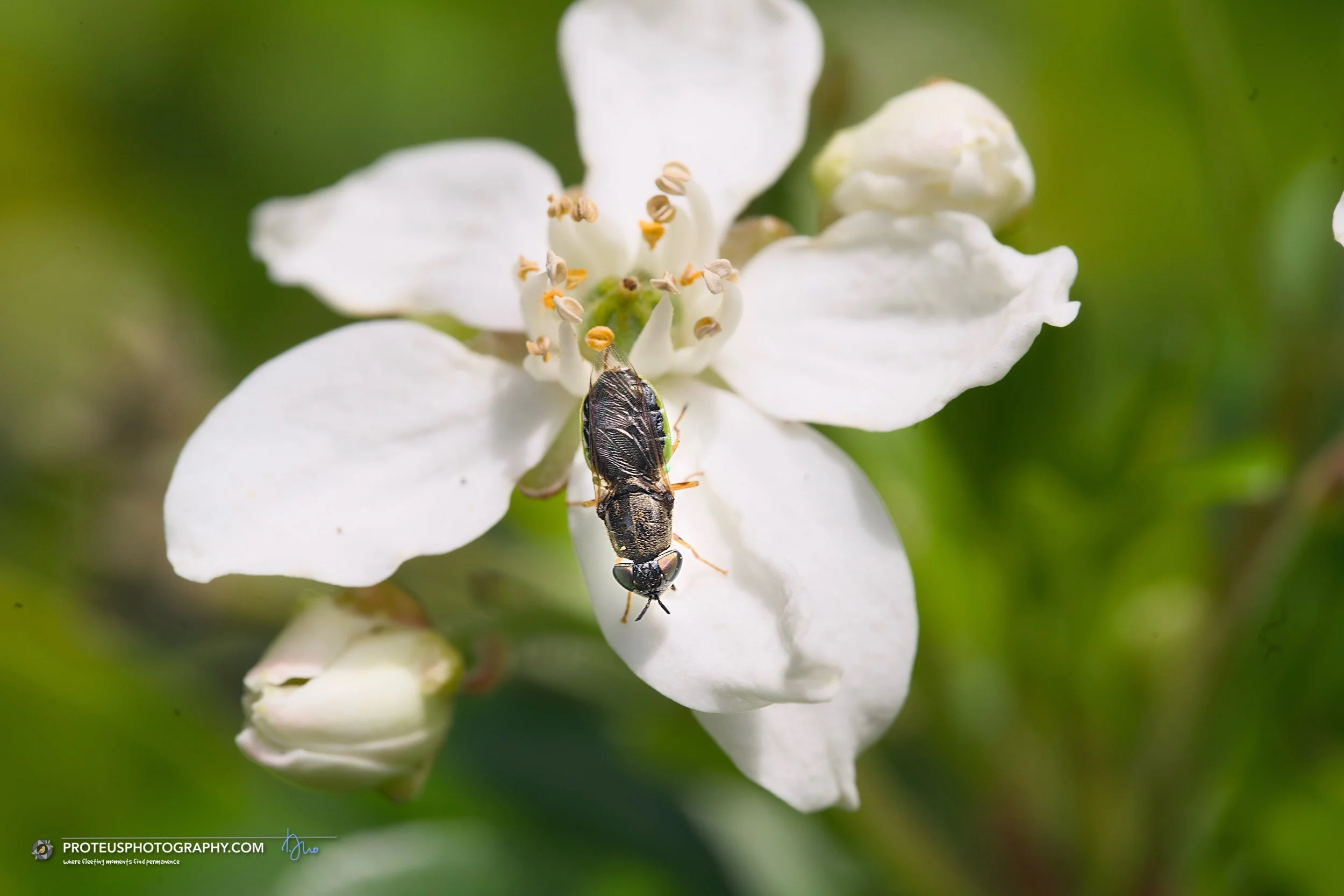
on the mexican orange bloom (choisya ternata) is the soldier fly (odontomyia)
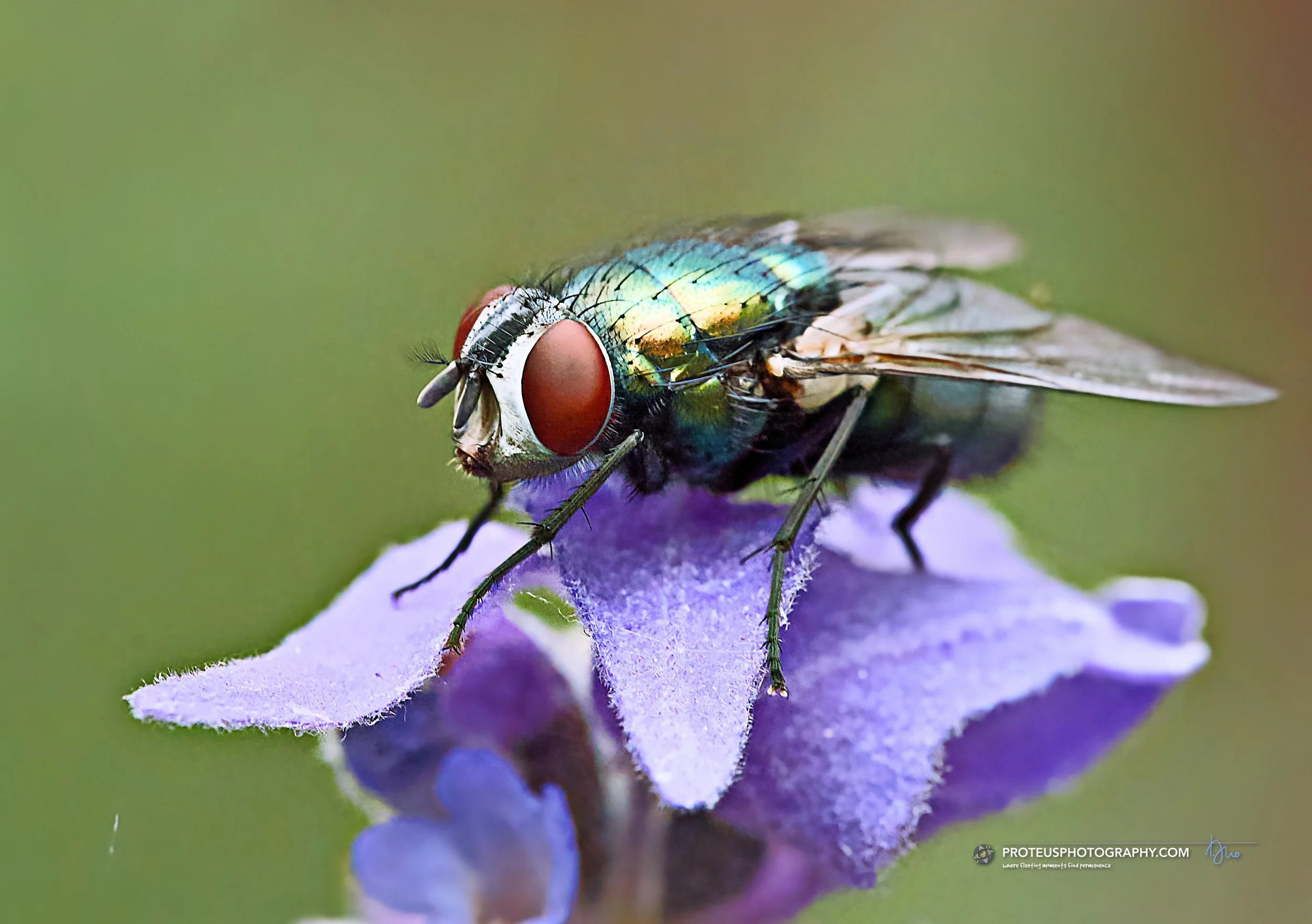
blow fly (calliphoridae)
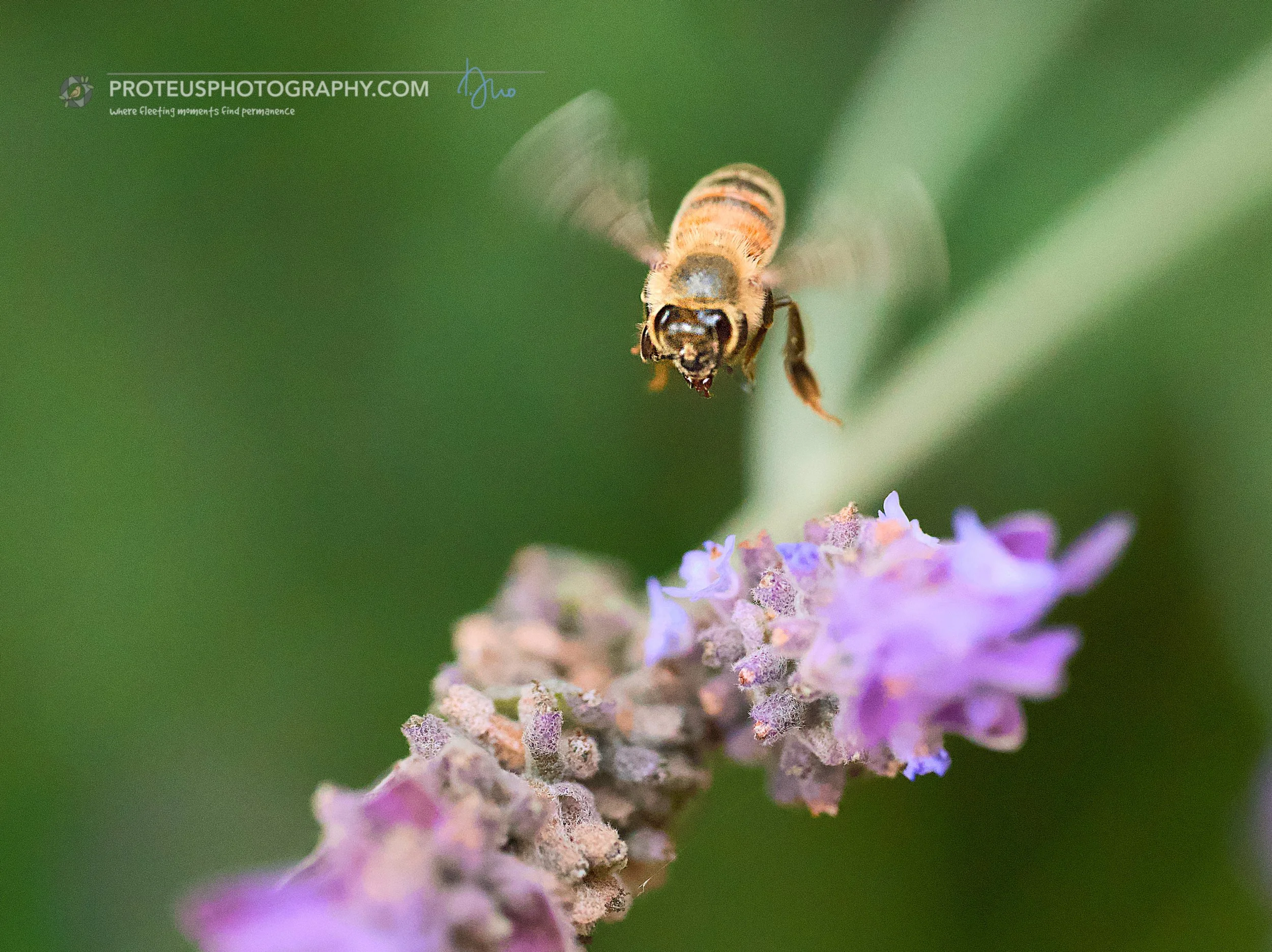
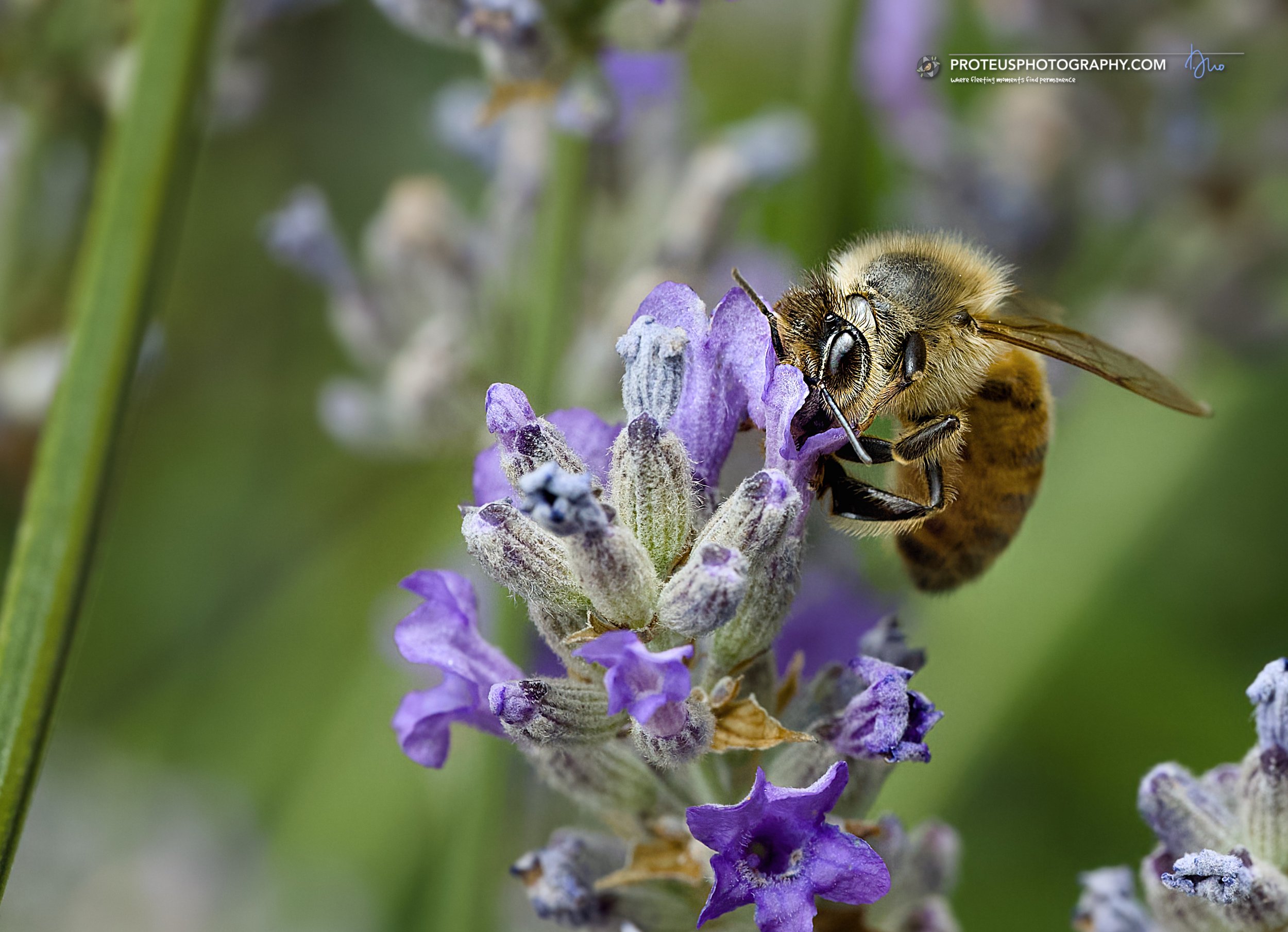
honey bee (apis mellifera) foraging amongst lavender

the meat ant (iridomyrmex purpureus)
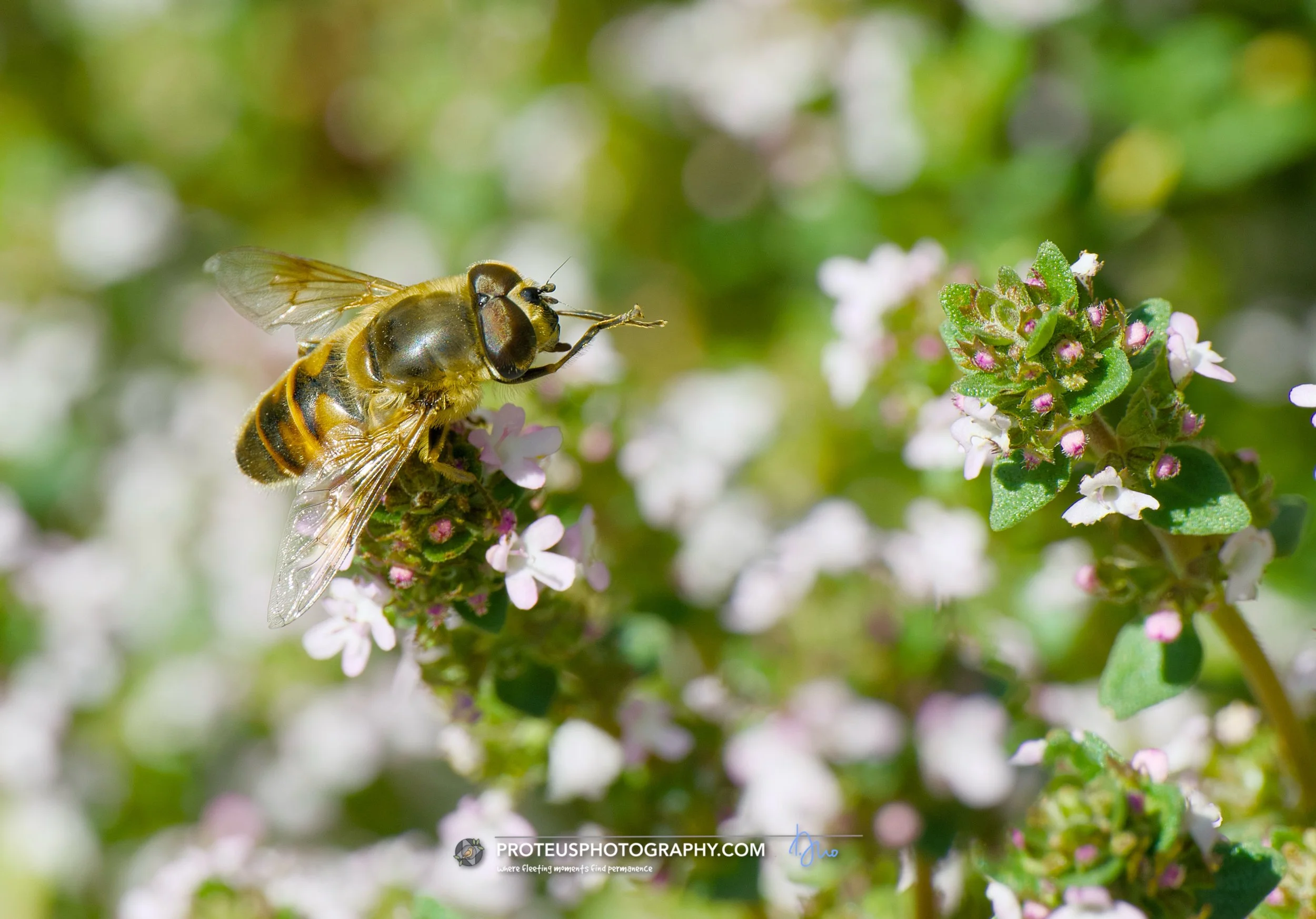
ommon drone fly (eristalis tenax), mimicking a honey bee & foraging amongst thyme (thymus vulgaris)
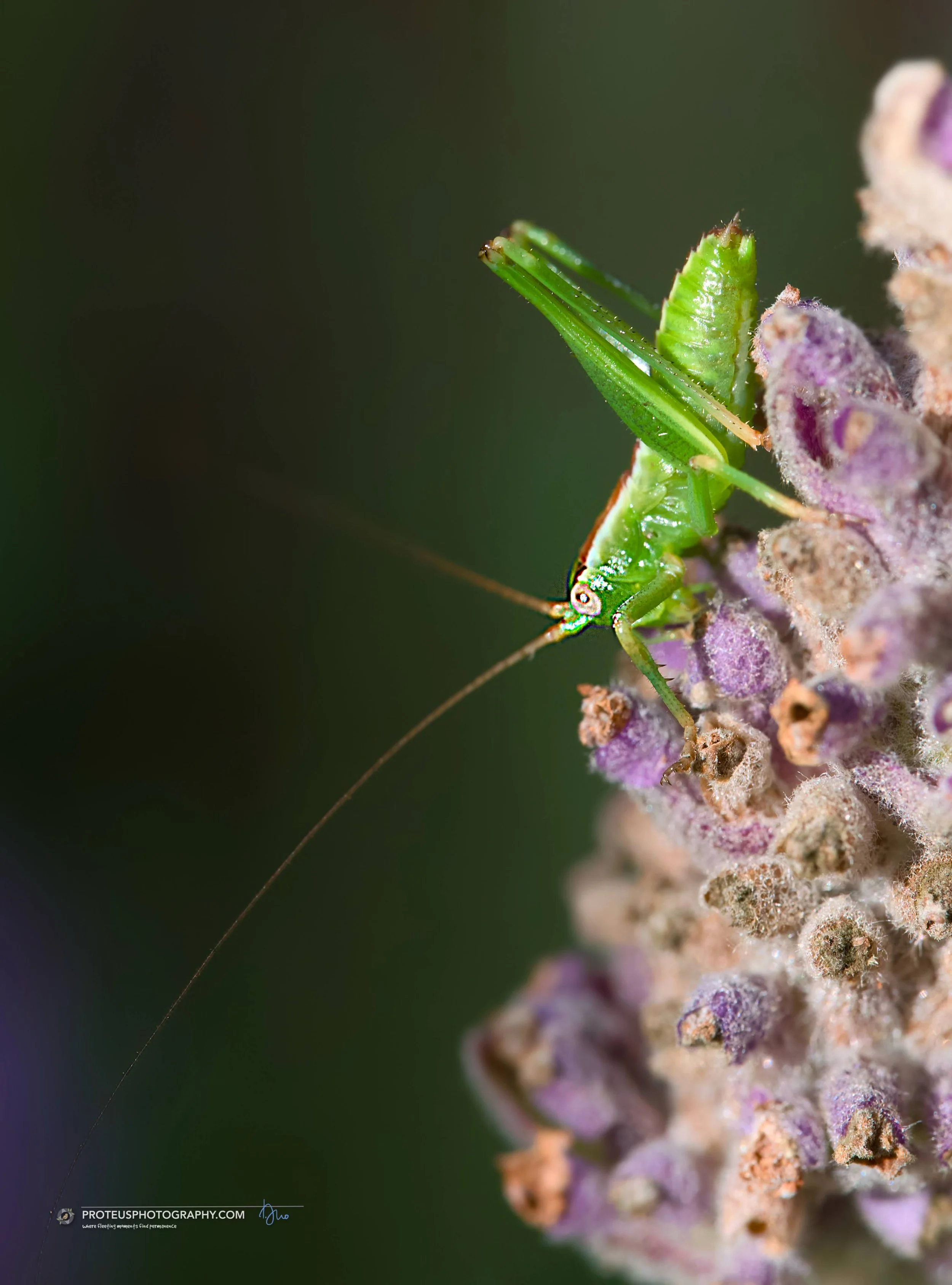
unmistakeable with its long antennae, is this katydid
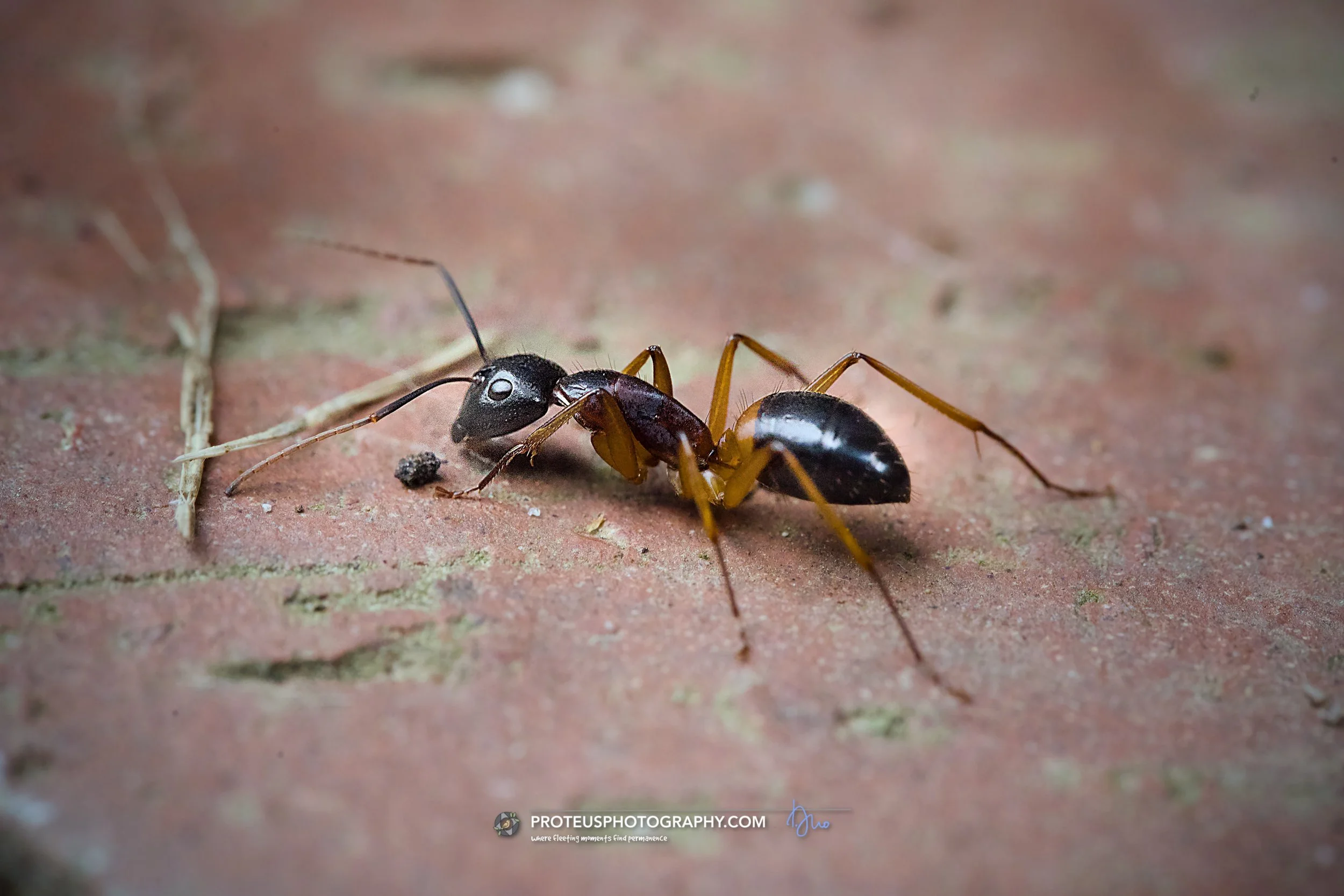
banded sugar ant (camponotus consobrinus)
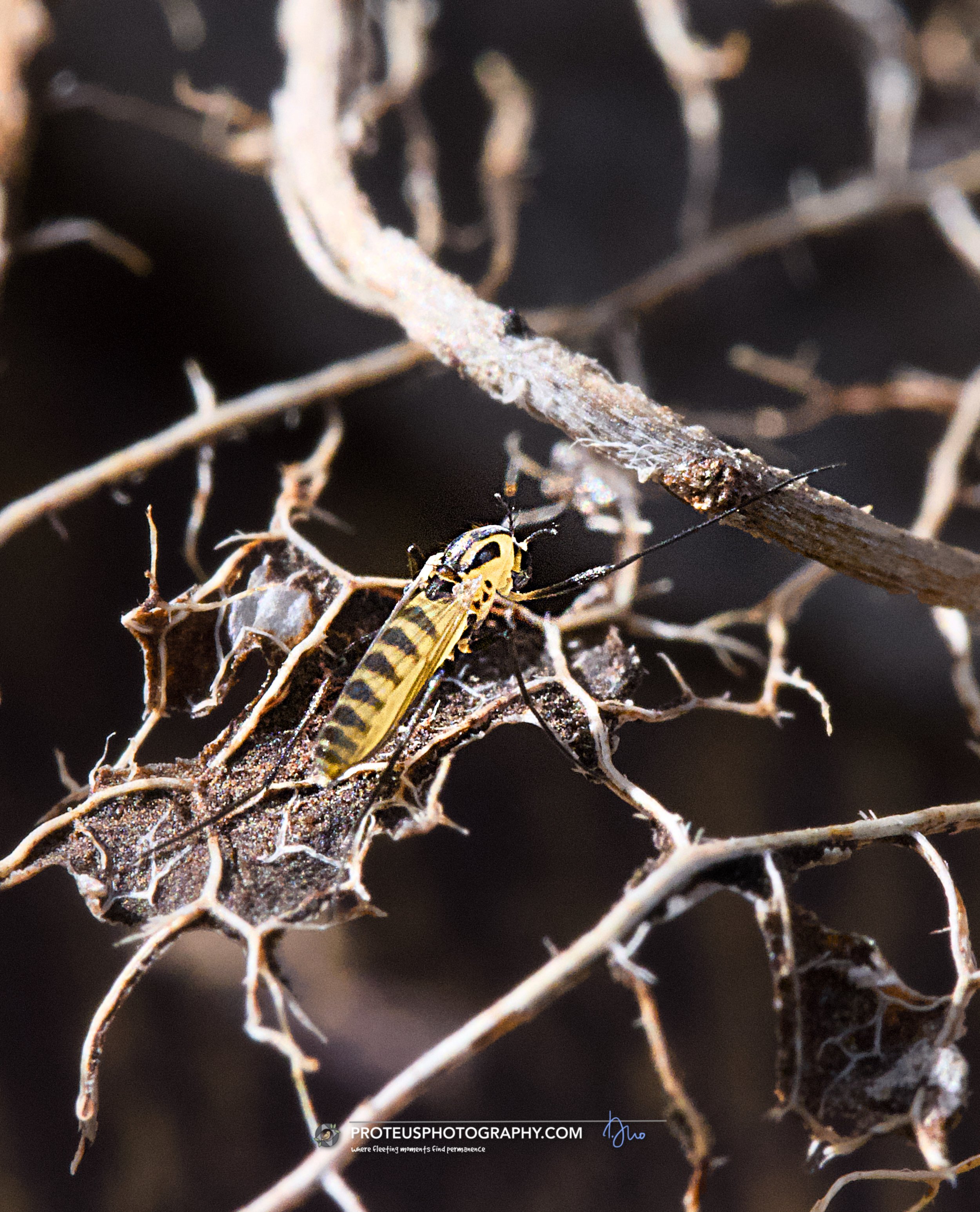
tiger crane fly (nephrotoma australasiae) on a dead leaf - often mistaken for large mosquitoes but are harmless to humans and do not bite or suck blood
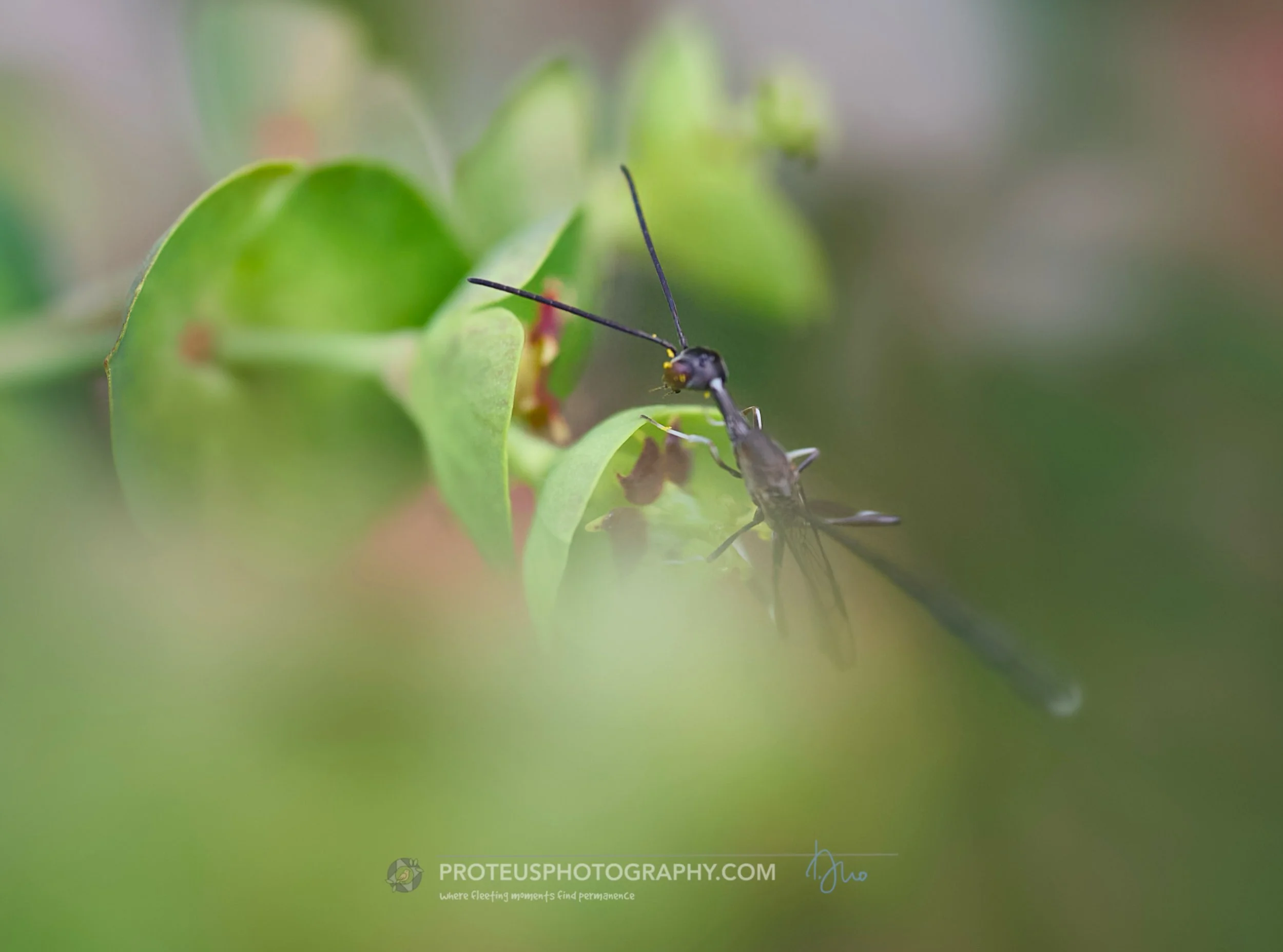
.. its a pelecinus polyturator is a species of wasp in the family pelecinidae.
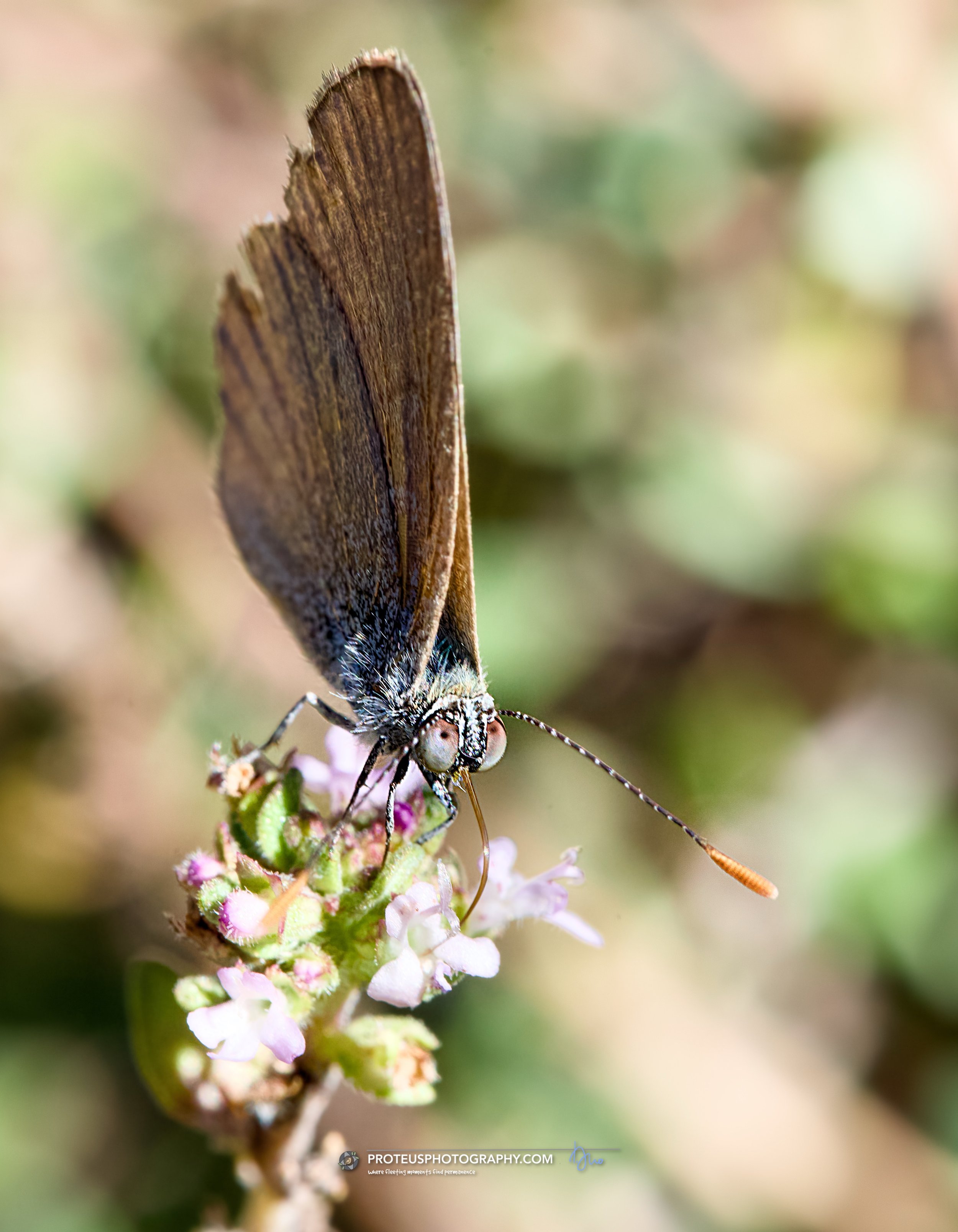
grass-blue butterfly (zizina labradus or zizina otis ssp. labradus)
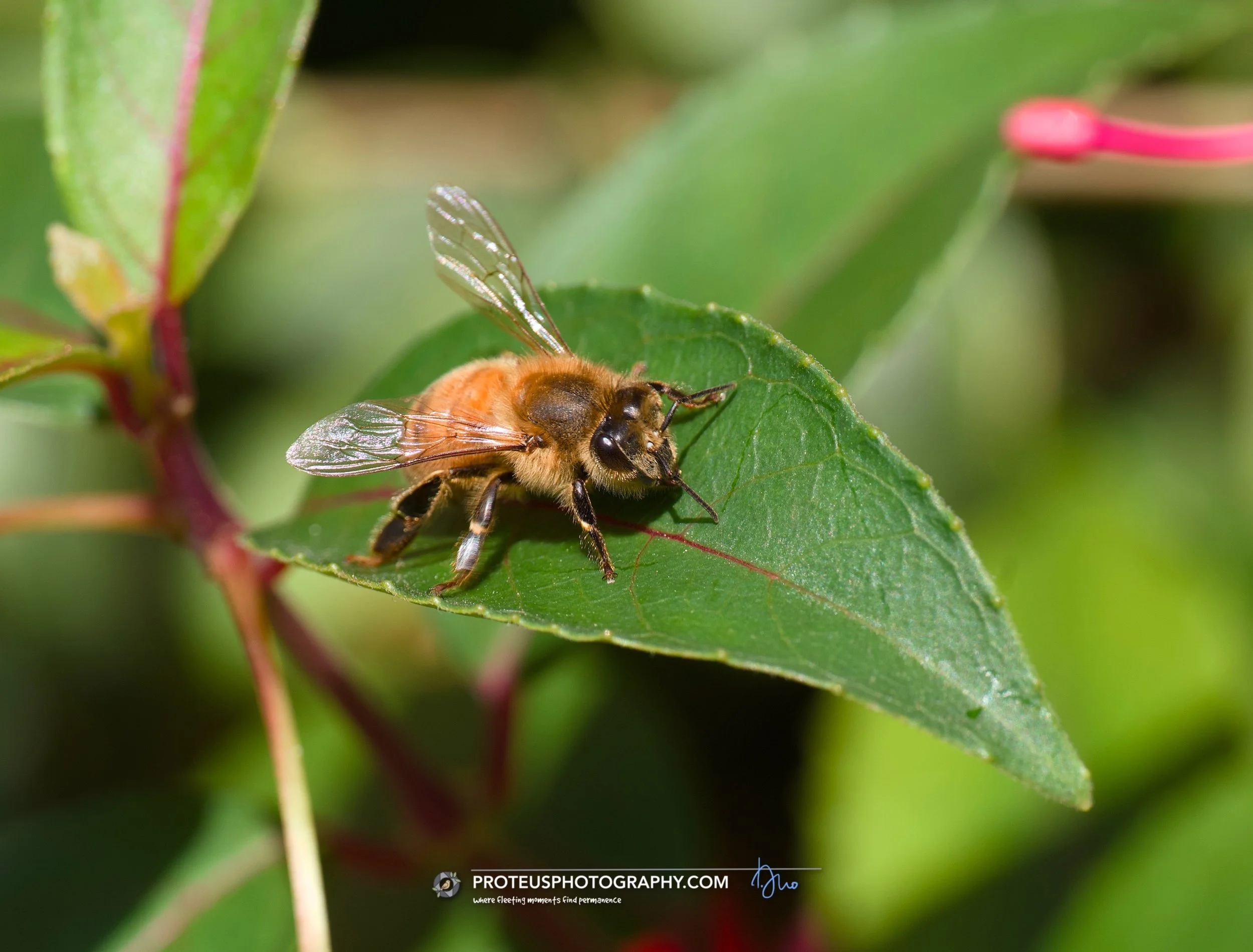
honey bee (apis mellifera) at rest on a leaf
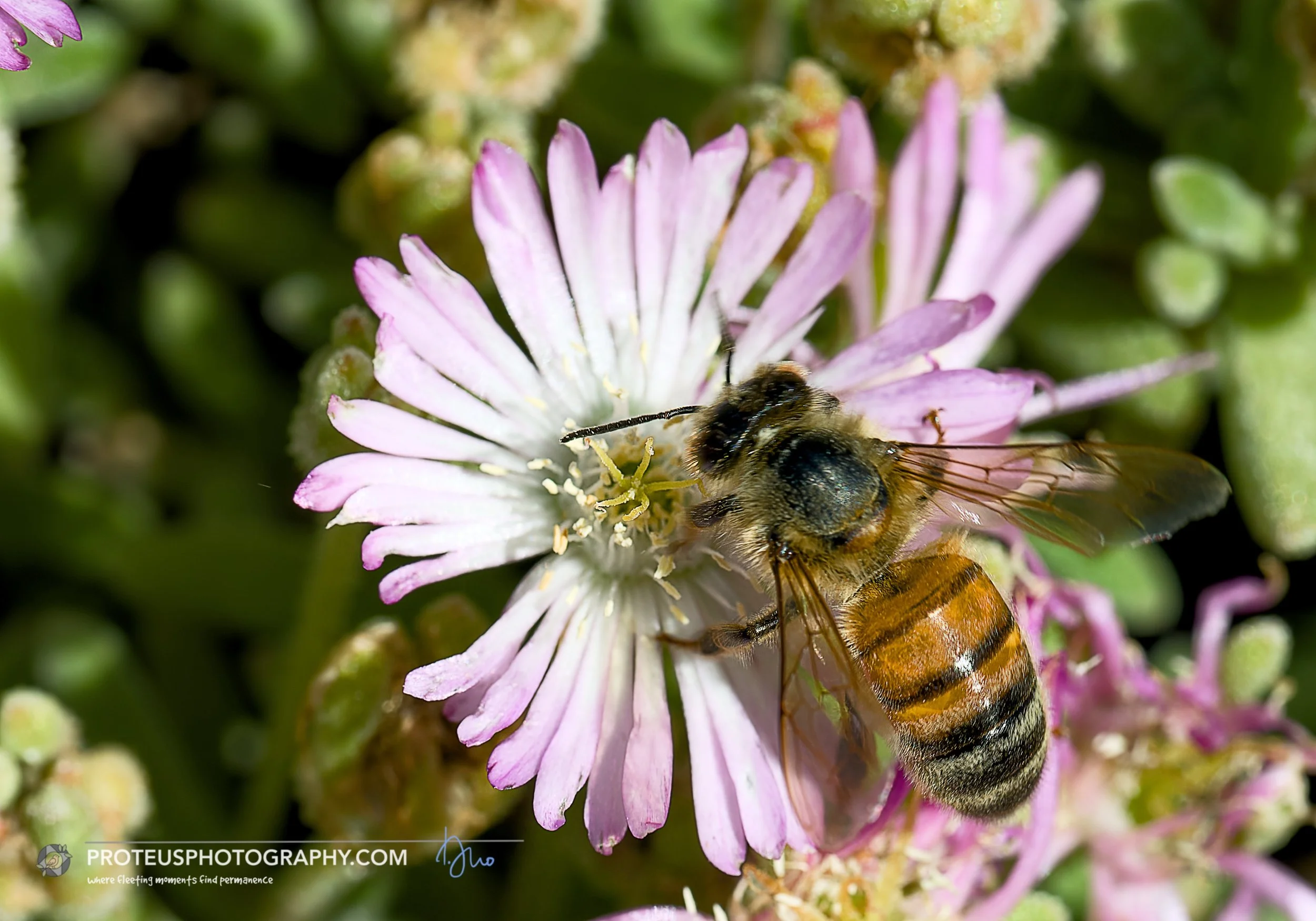
honey bee (apis mellifera)
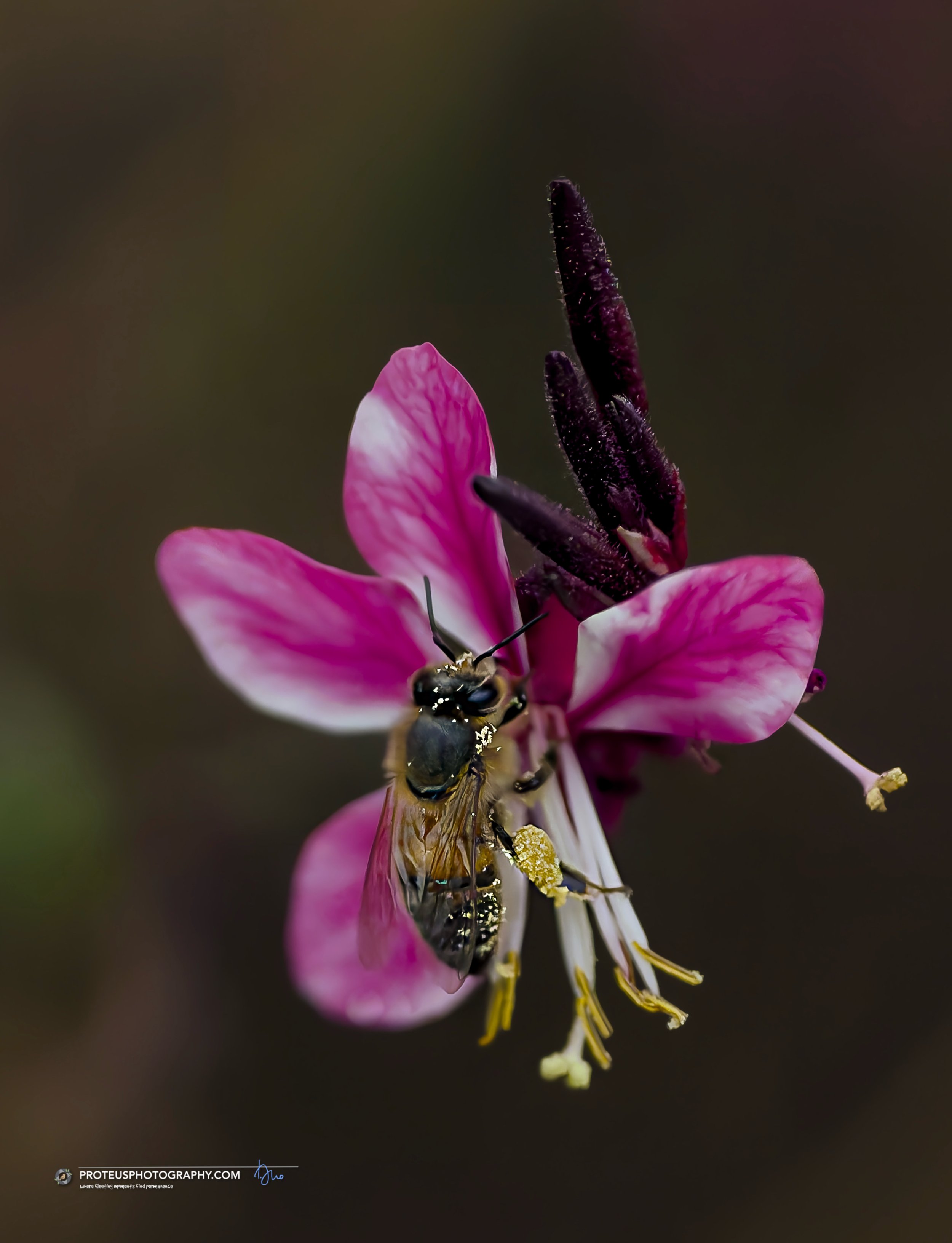
A honey bee (Apis mellifera) gathering pollen from the Gaura lindheimeri, also known as beeblossom.
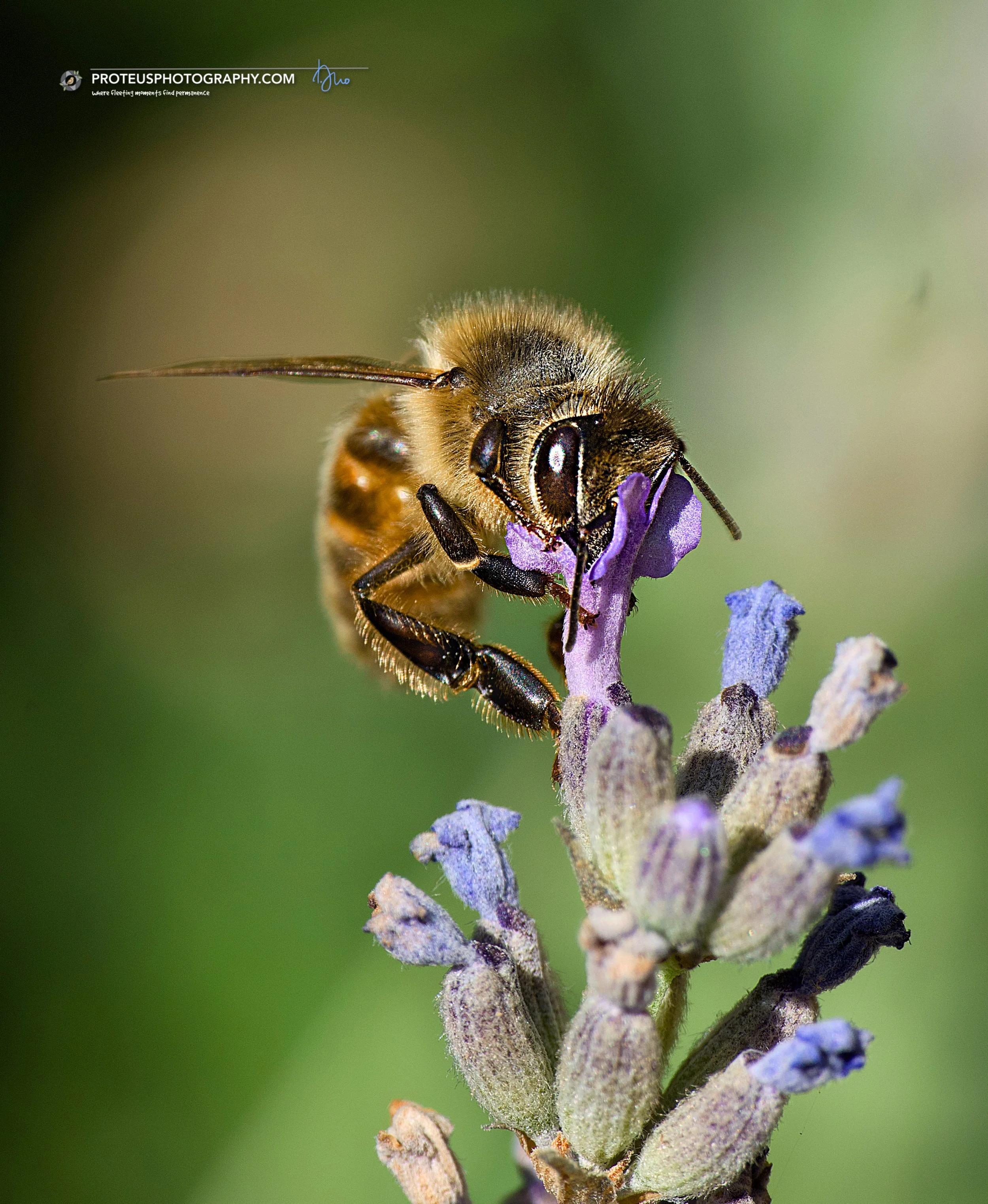
honey bee (apis mellifera) foraging amongst lavender
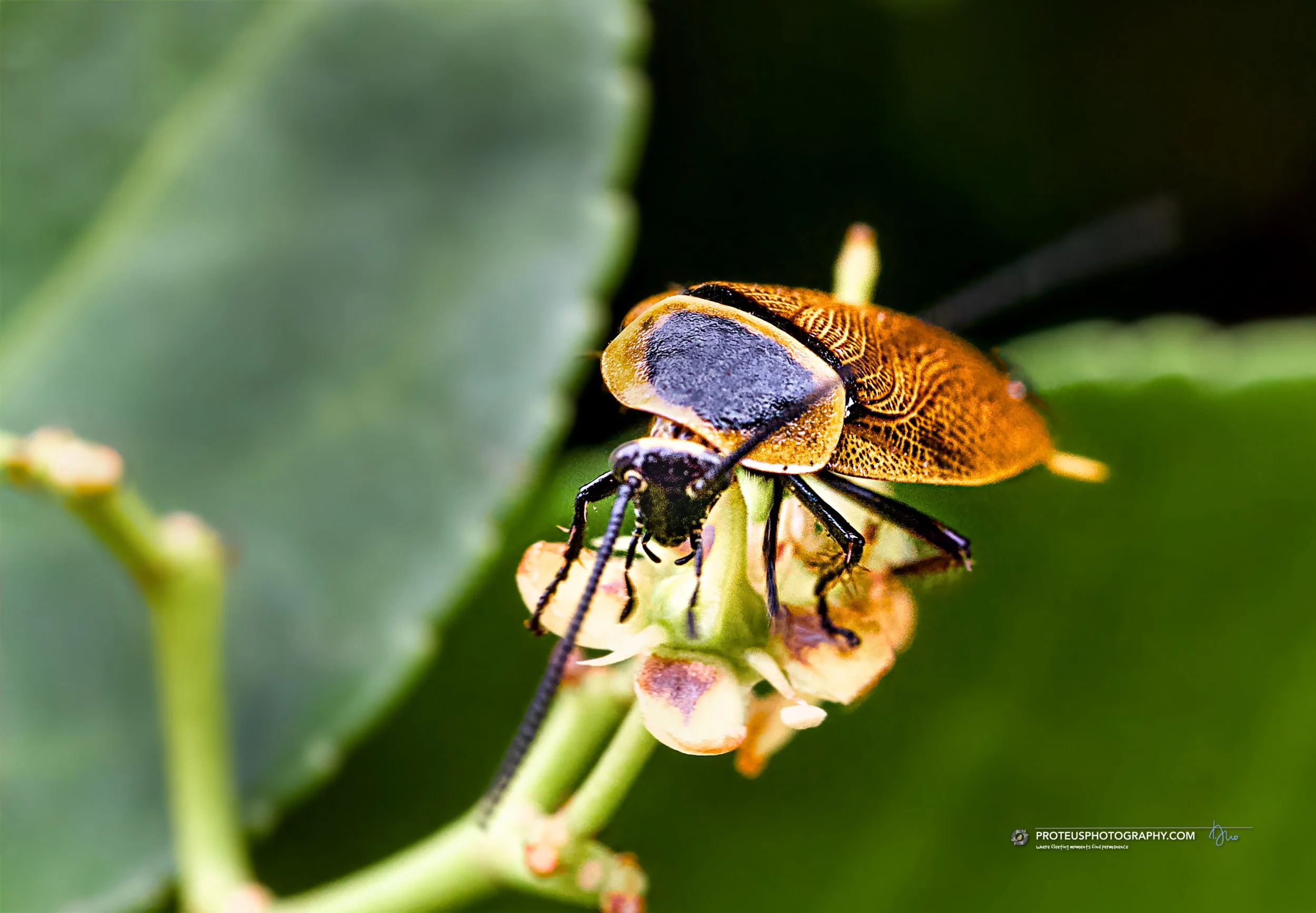
cockroach or austral ellipsidion (ellipsidion australe)
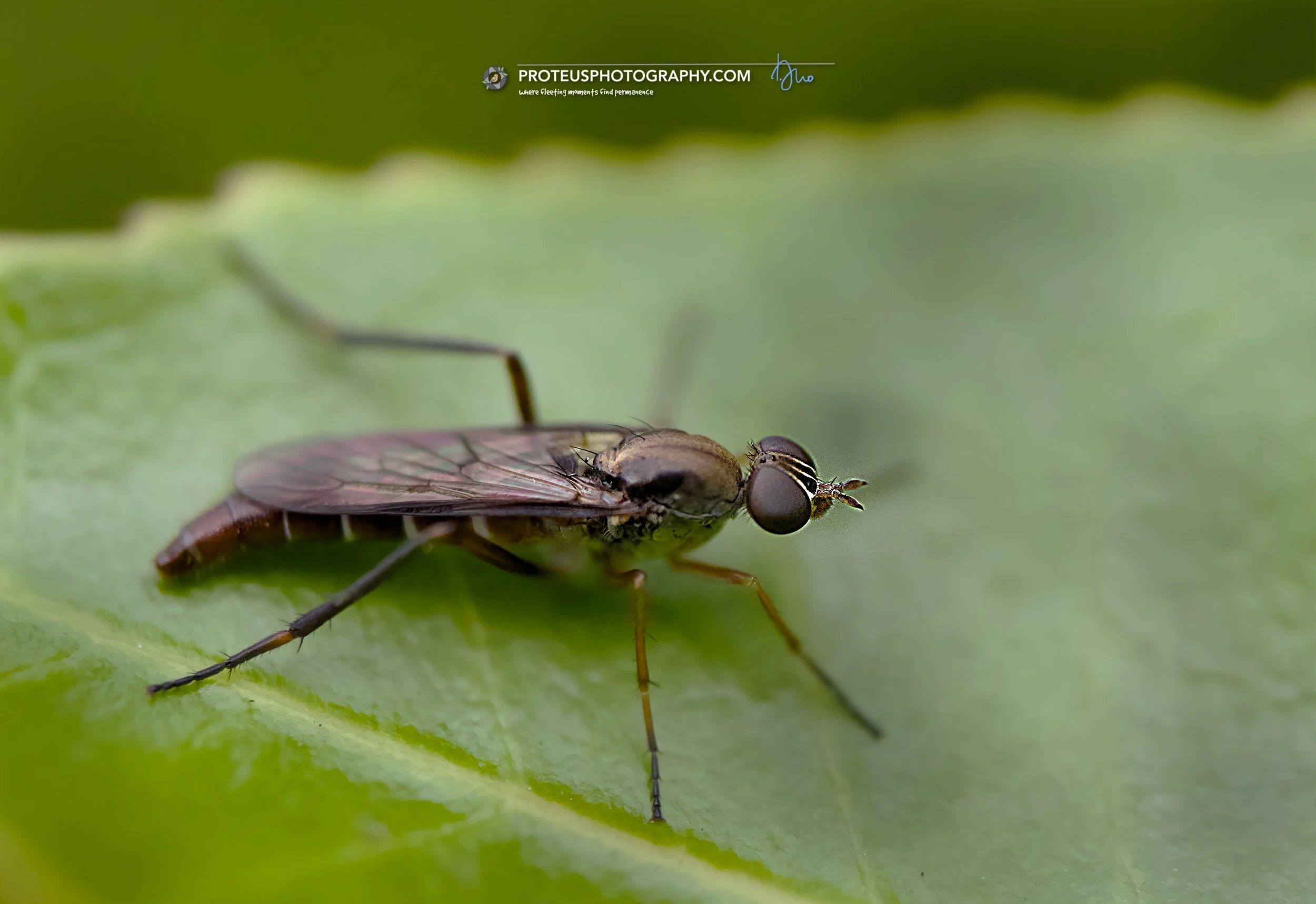
snipe fly (rhagionidae), has a slender body, sparse hair, and noticeably long legs; but still a fly
.. tiny, and then so close their whispers sound more like thunder
honey bee (apis mellifera)
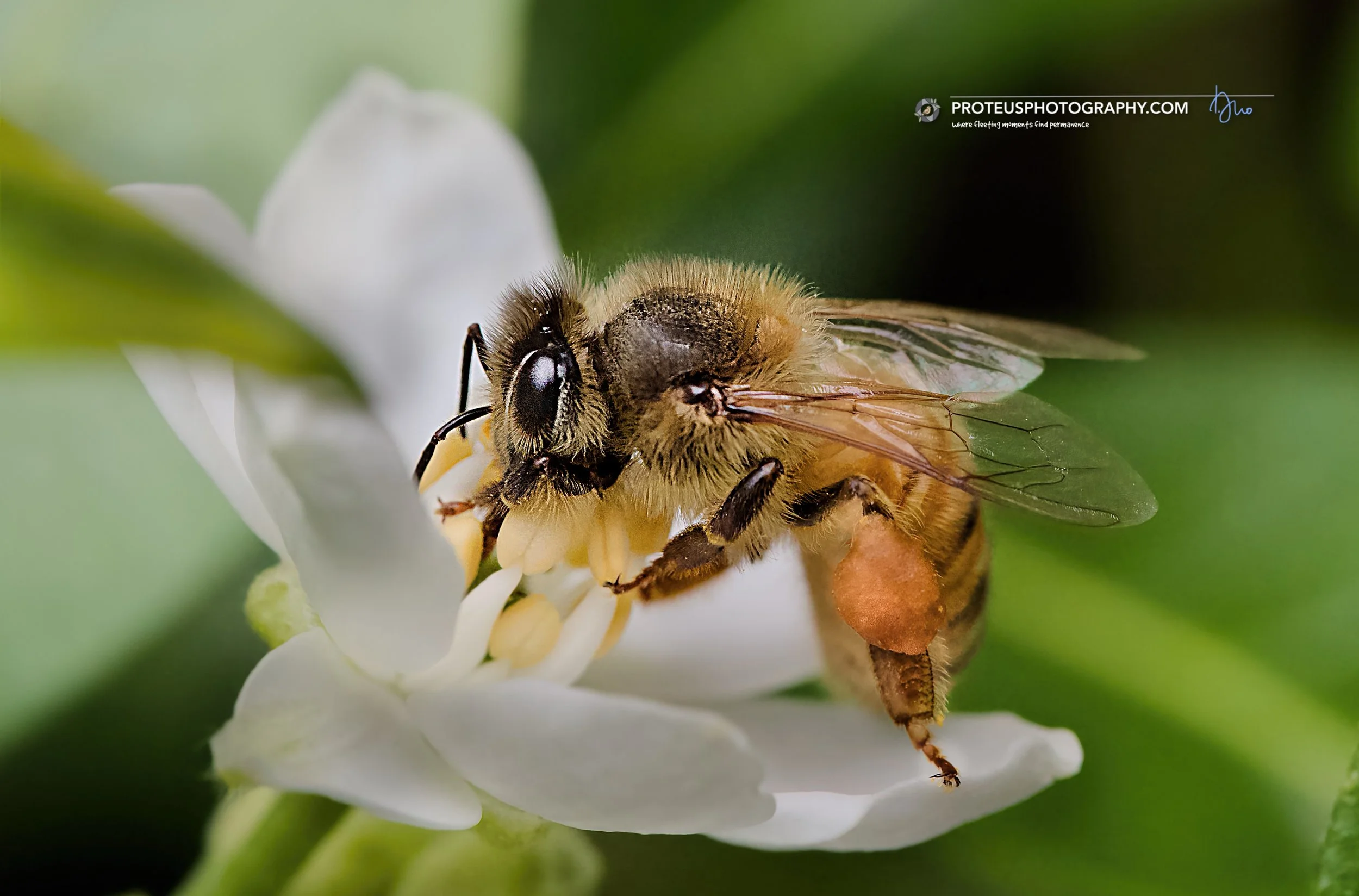
… forget tote bags; this honey bee (apis millifera) is carrying a third of her weight in her corbicula (honey bag)
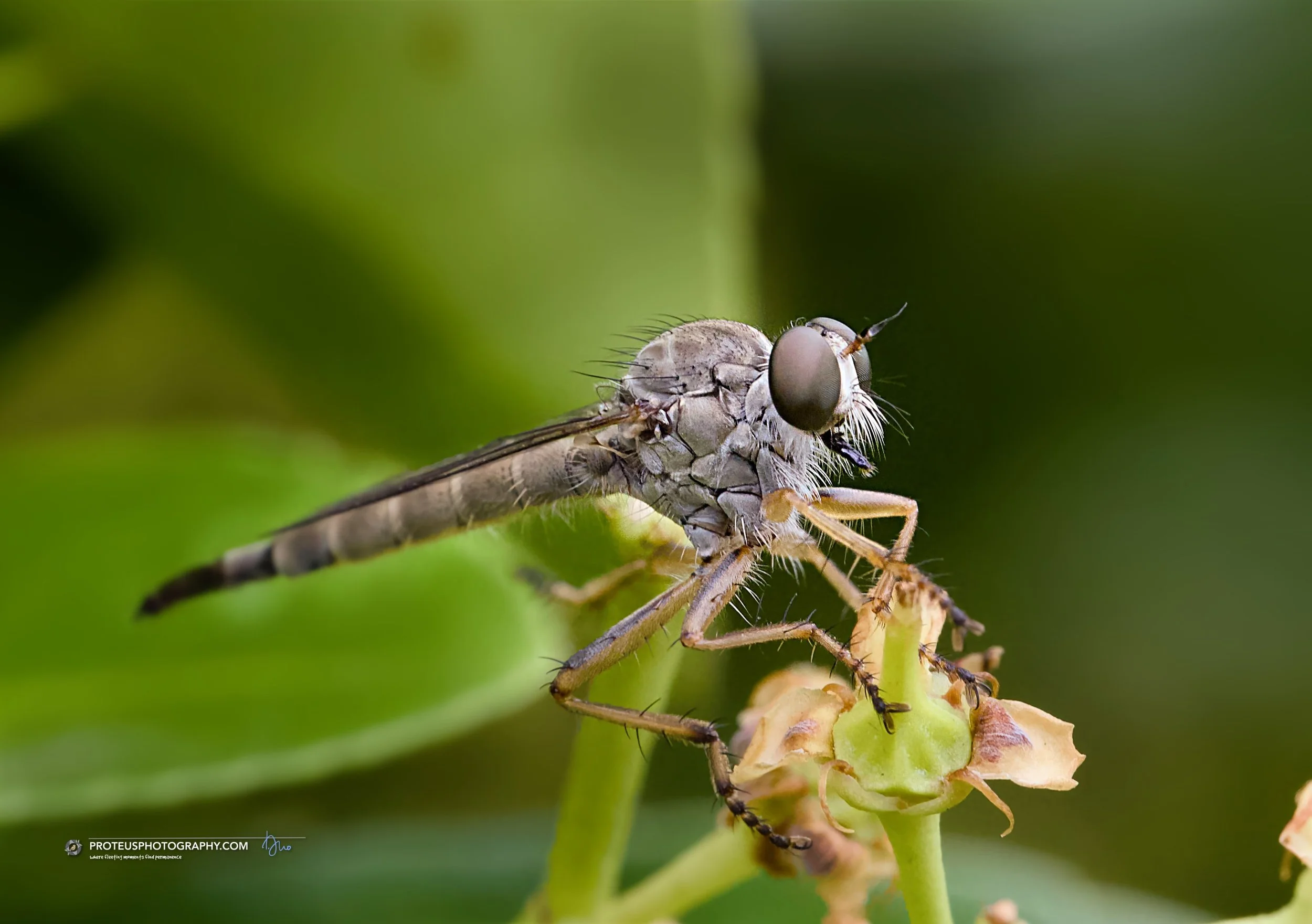
The Robber Fly: Proof that you can be a cold-blooded aerial assassin and still look like a Victorian colonel who’s deeply disappointed in your life choices.
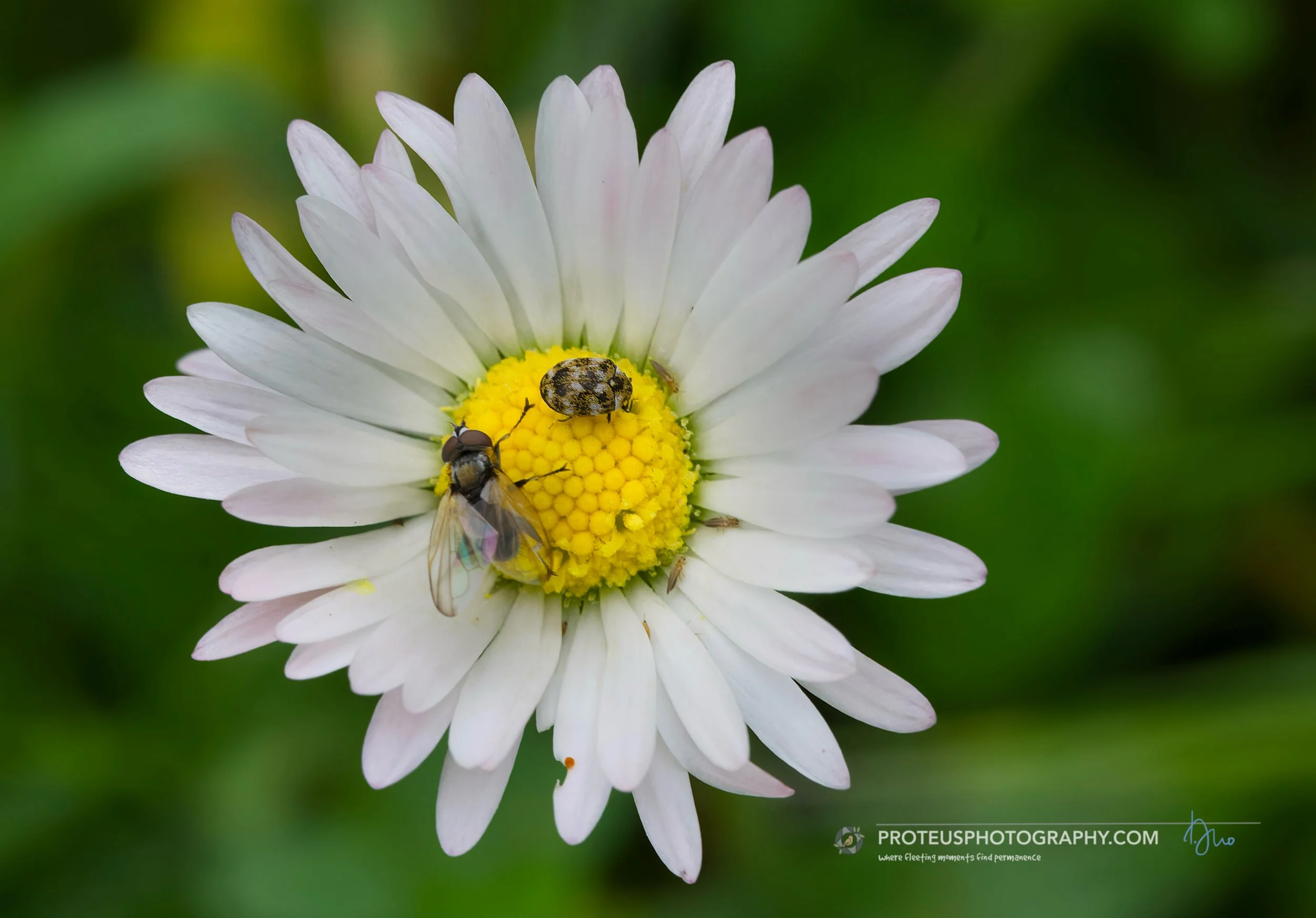
.. all aboard! on a rather crowded garden daisy express - with 9 little creatures? ... the tachinid fly (phasia obesa), carpet beetle (anthrenus verbasci), and the bunch of thrips (order thysanoptera)
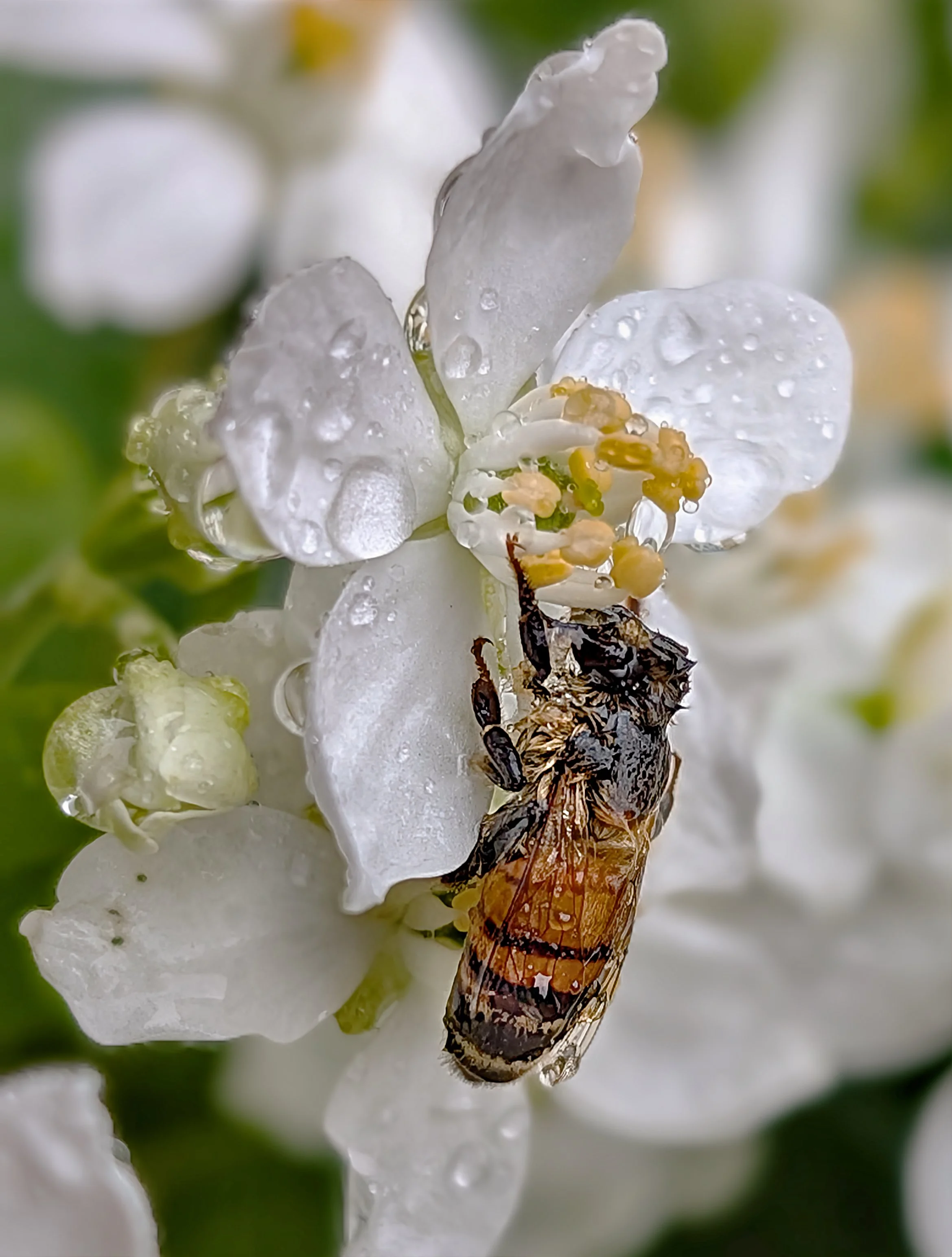
honey bee (apis mellifera) got a little wet after the rain..
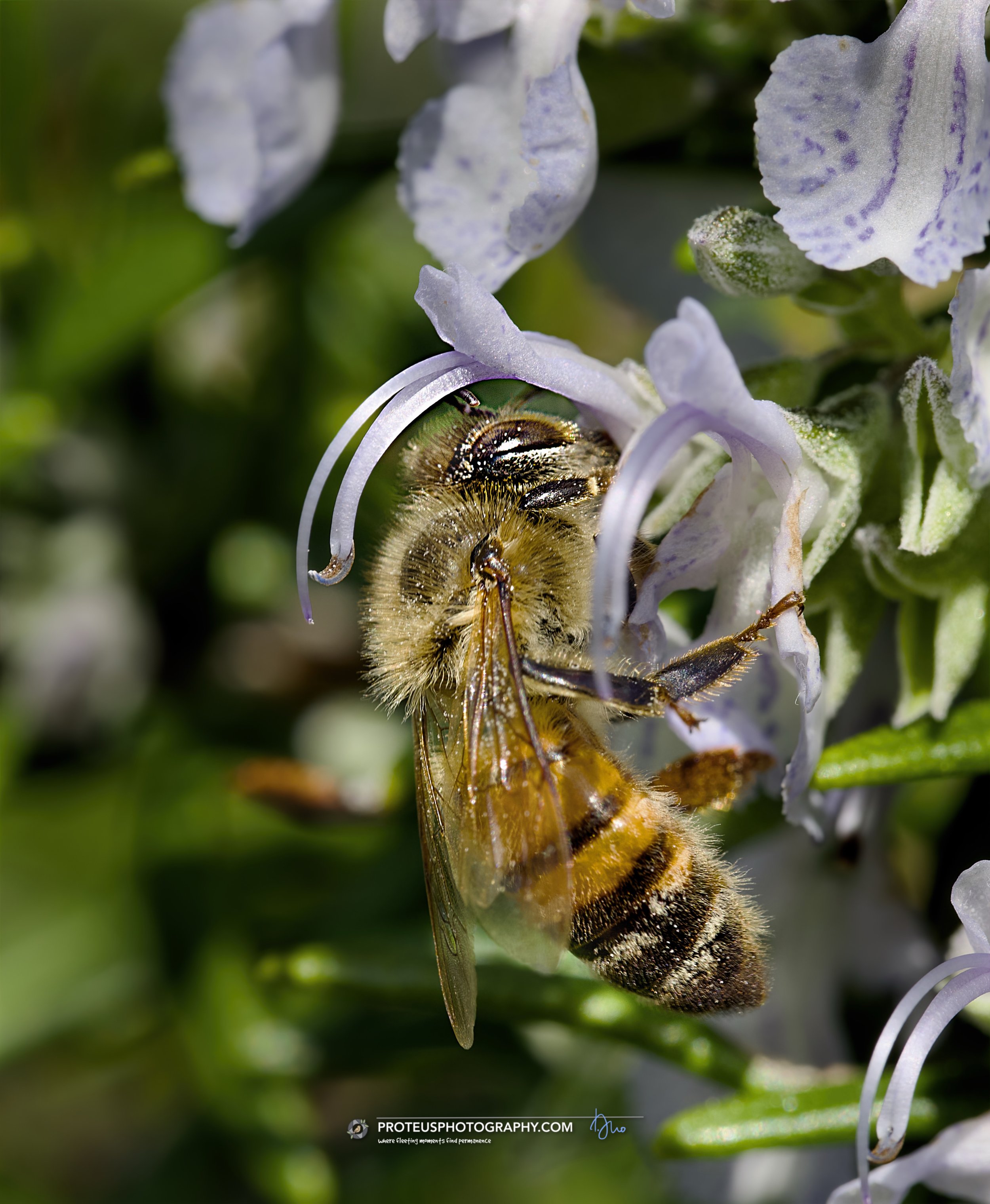
honey bee (apis mellifera)
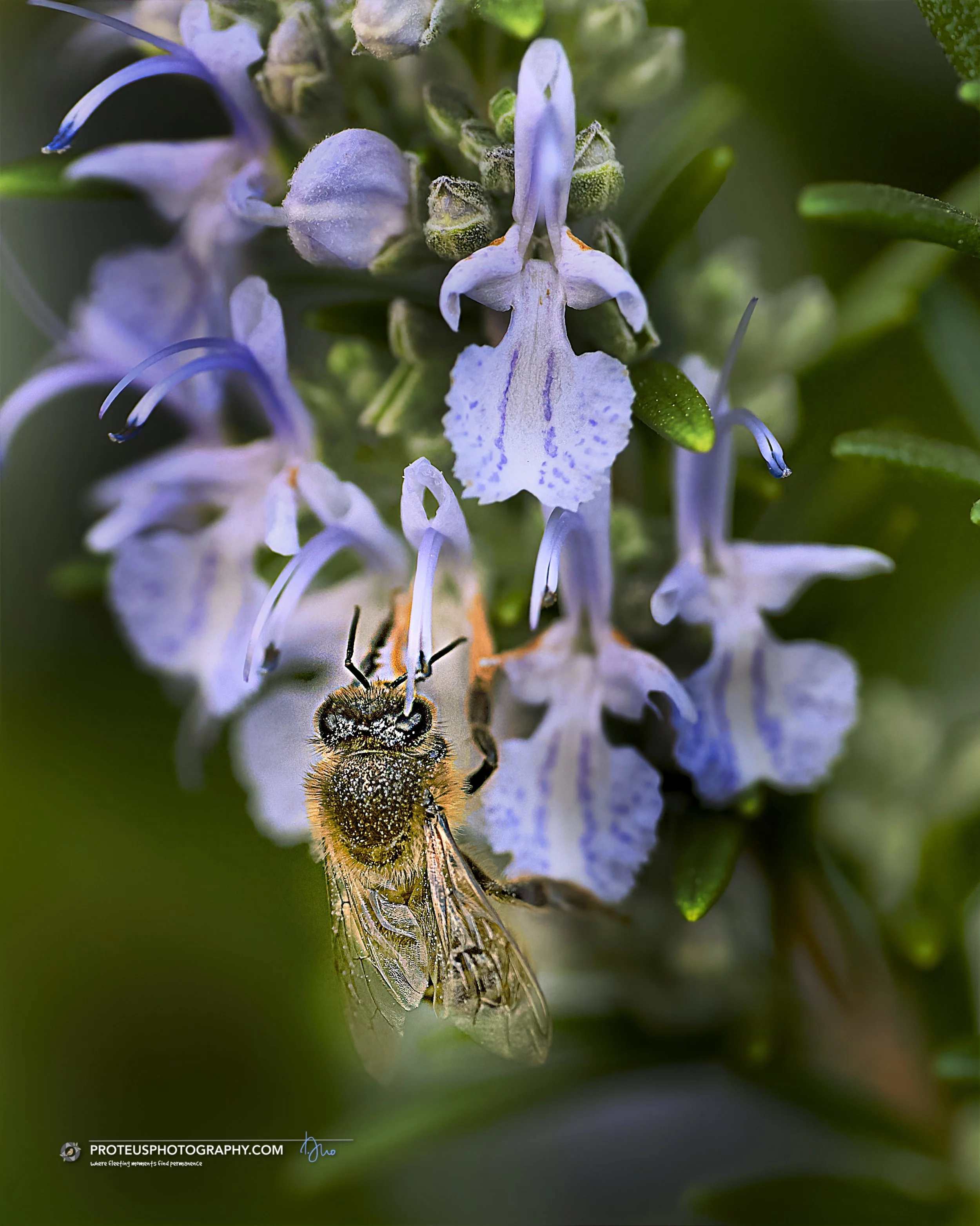
honey bee (apis mellifera)
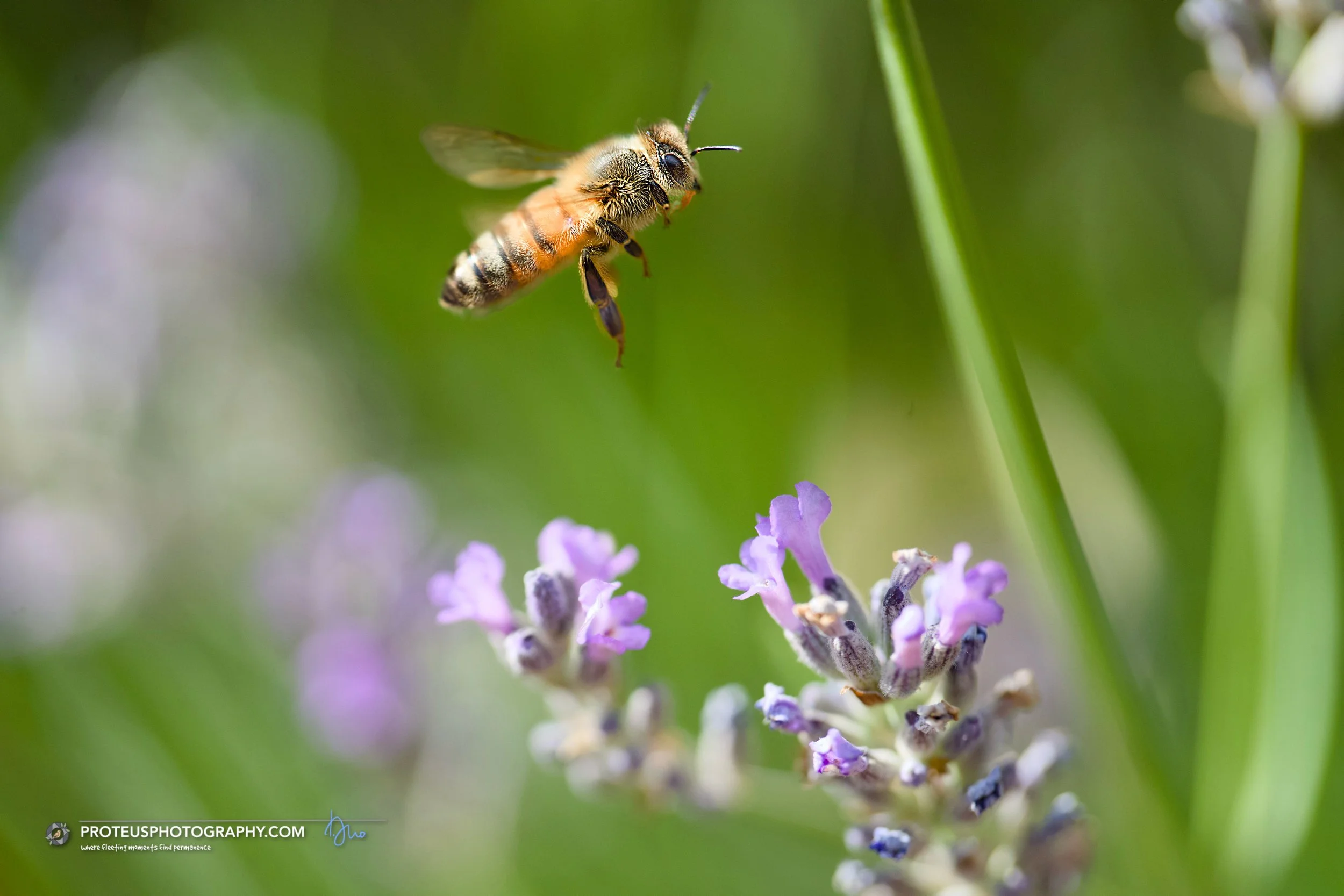
honey bee (apis mellifera) collecting nectar and pollen from a lavender flower.
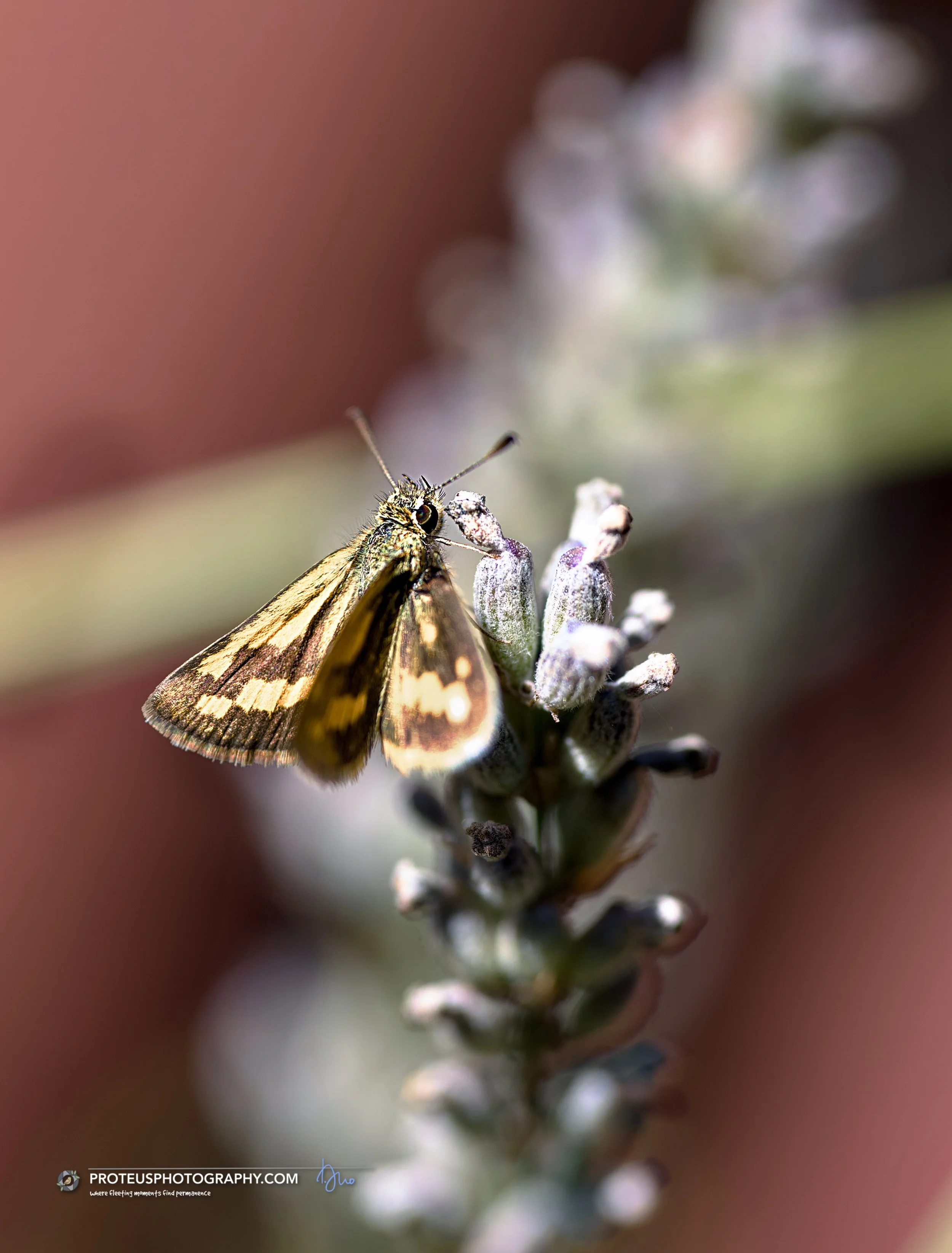
dart butterfly (ocybadistes flavovittatus)
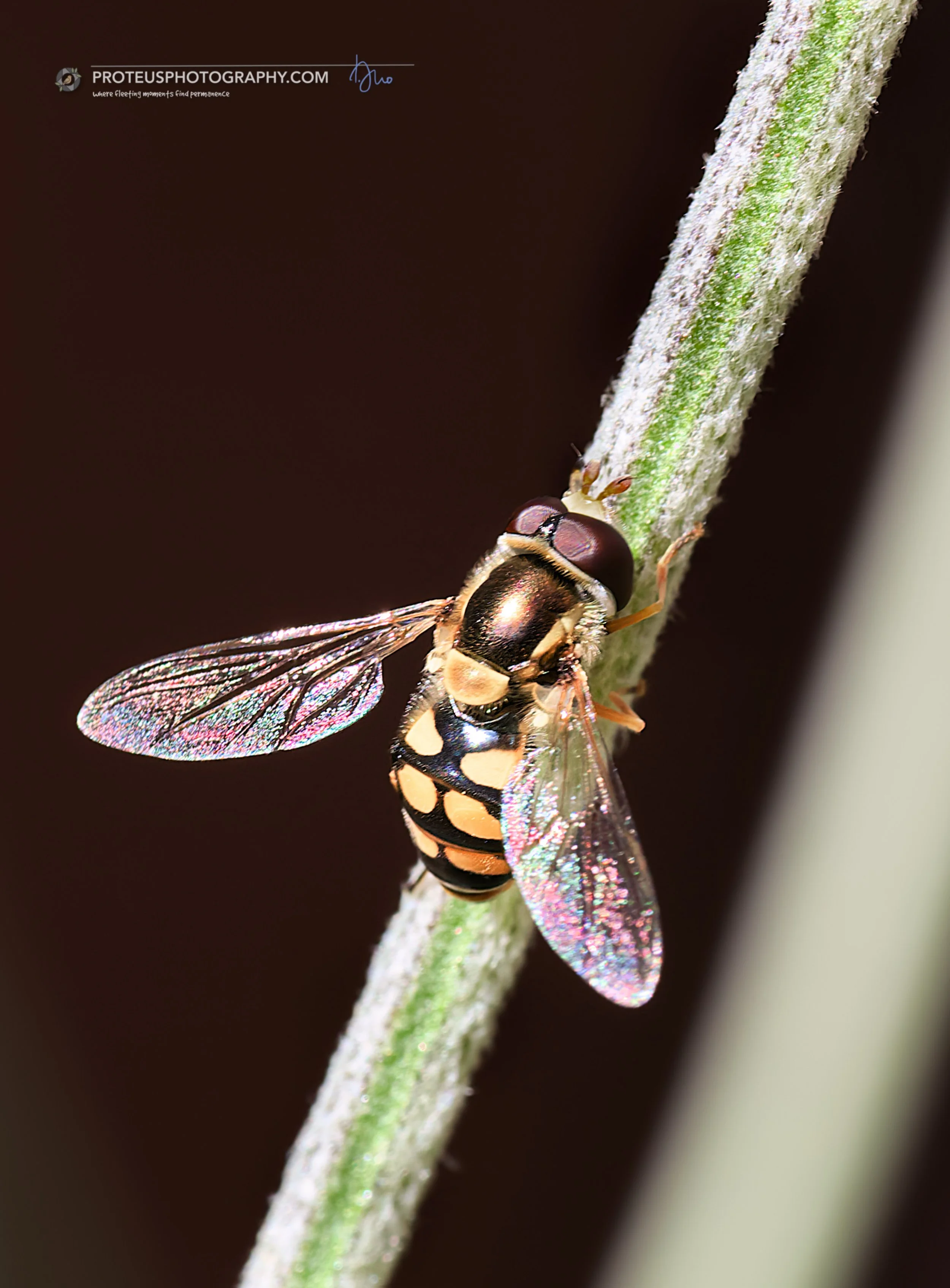
resting on a lavendar stalk is a yellow-shouldered stout hover fly (simosyrphus grandicornis)
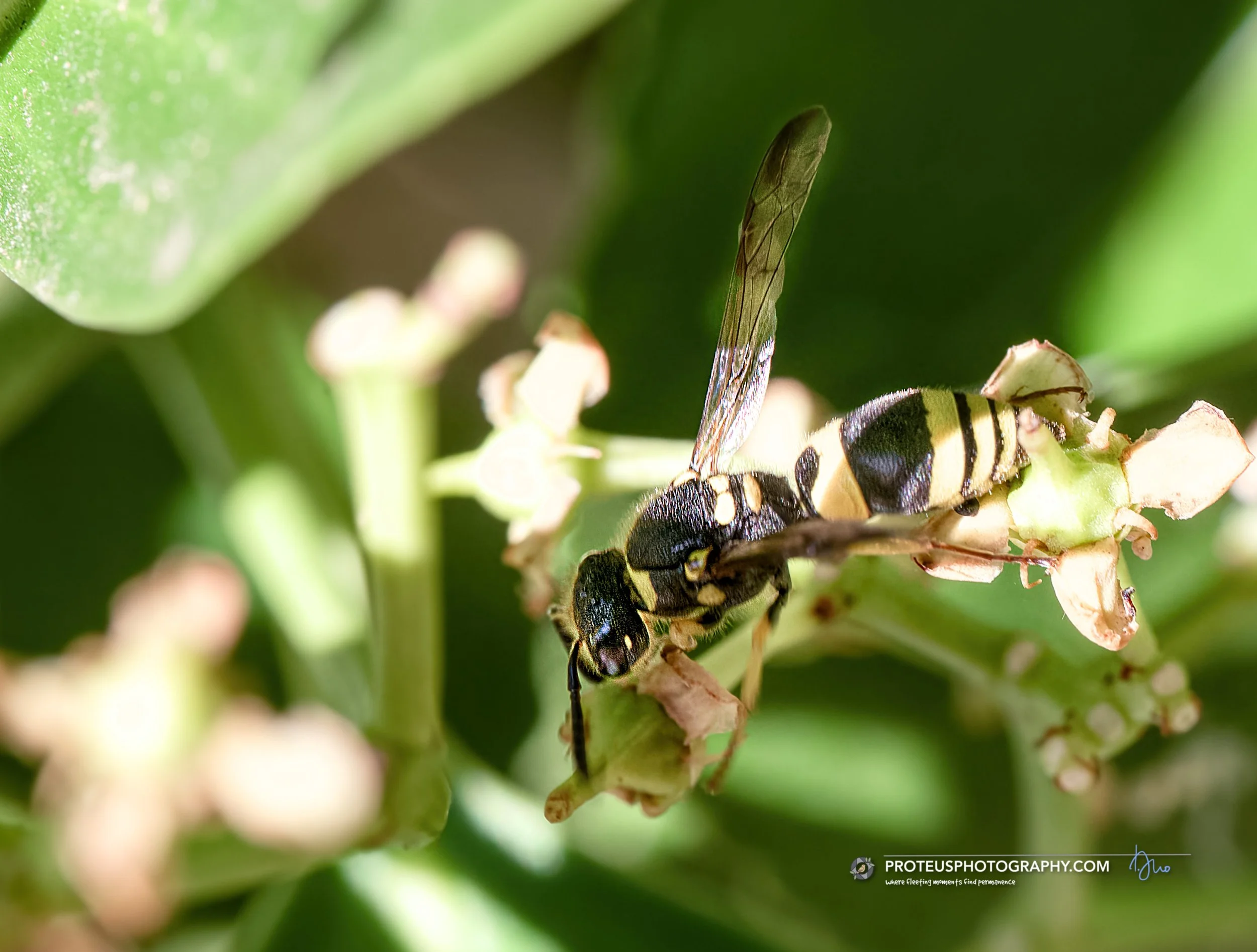
potter wasp (family vespidae, subfamily eumeninae)
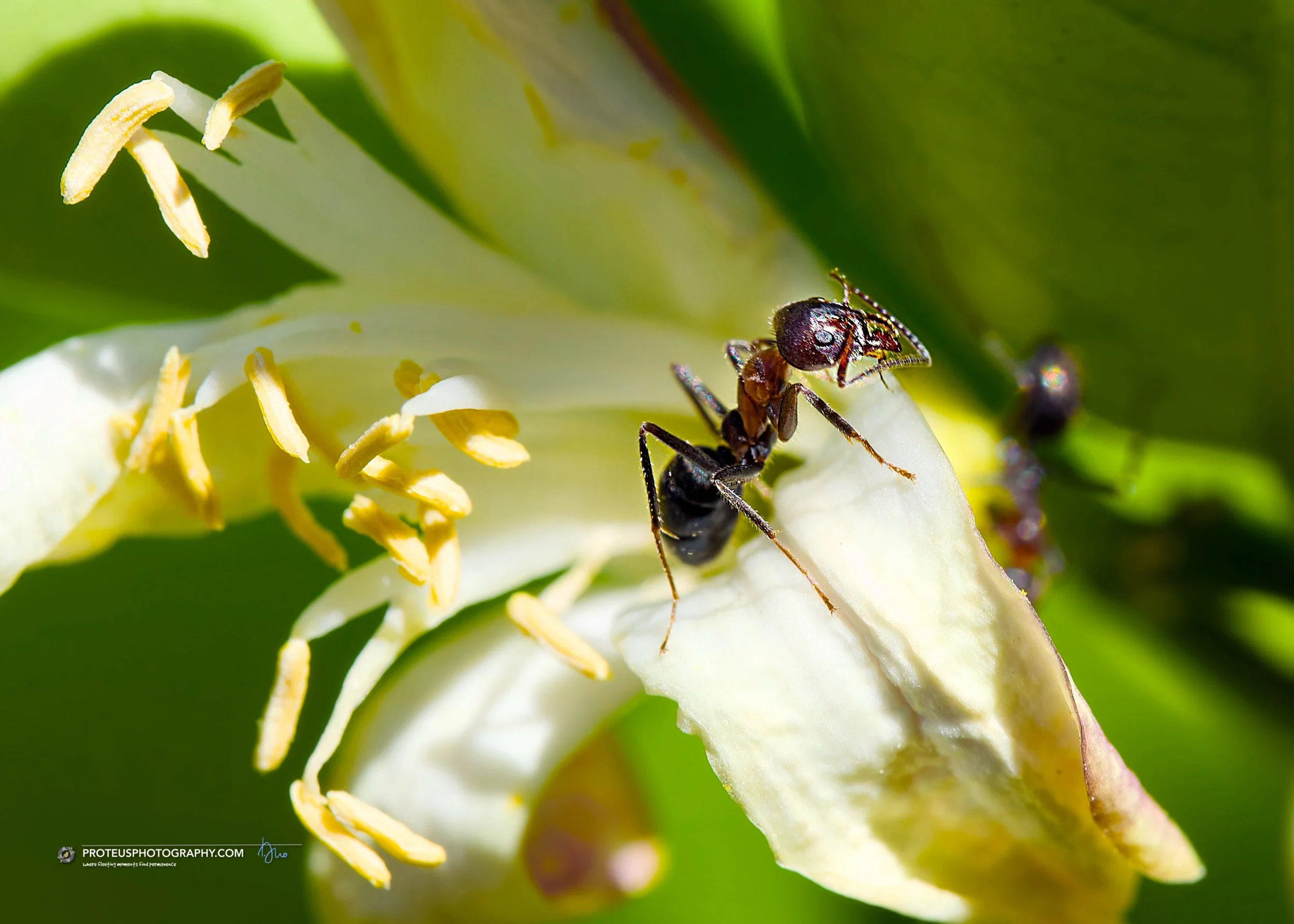
sugar ant, likely the flumed sugar ant (camponotus intrepidus)
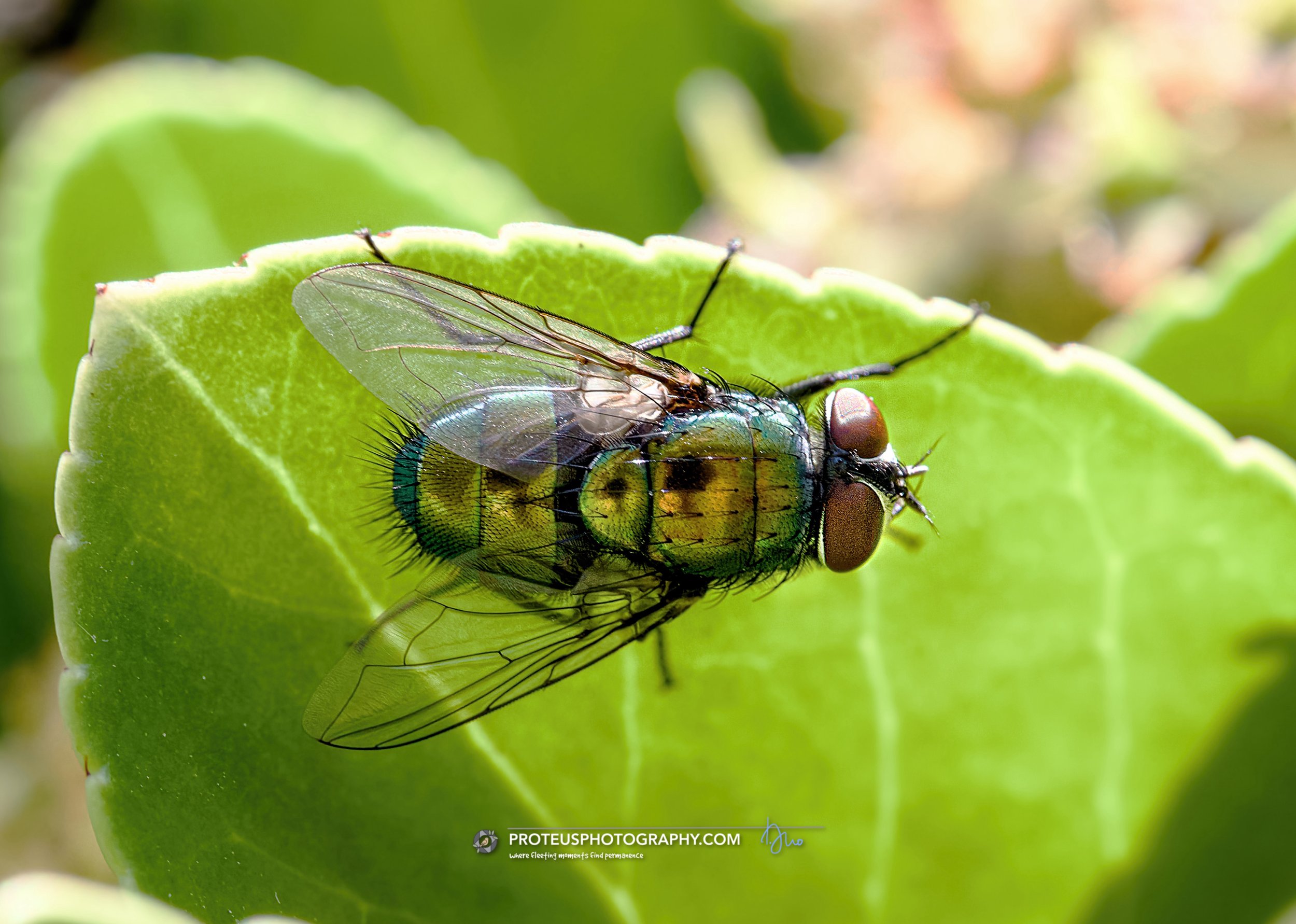
striking iridescent, metallic body that can appear blue-green and covered in short, sparse black bristles is the green bottle fly (chrysomya)
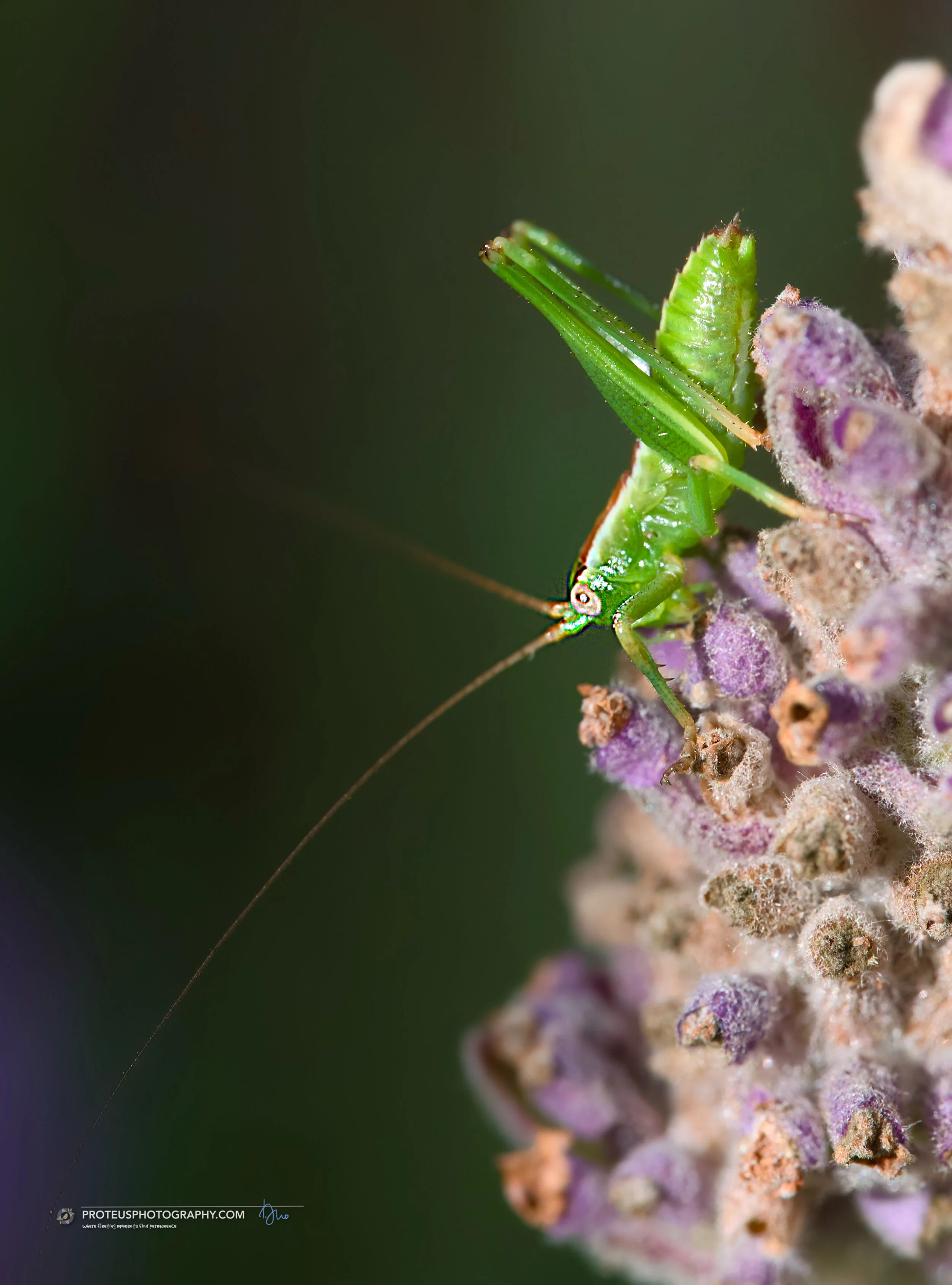
short-winged conehead green katydid or bush-cricket (conocephalus dorsalis) - its thin antennae exceeds its body length, distinguishing it from a grasshopper.
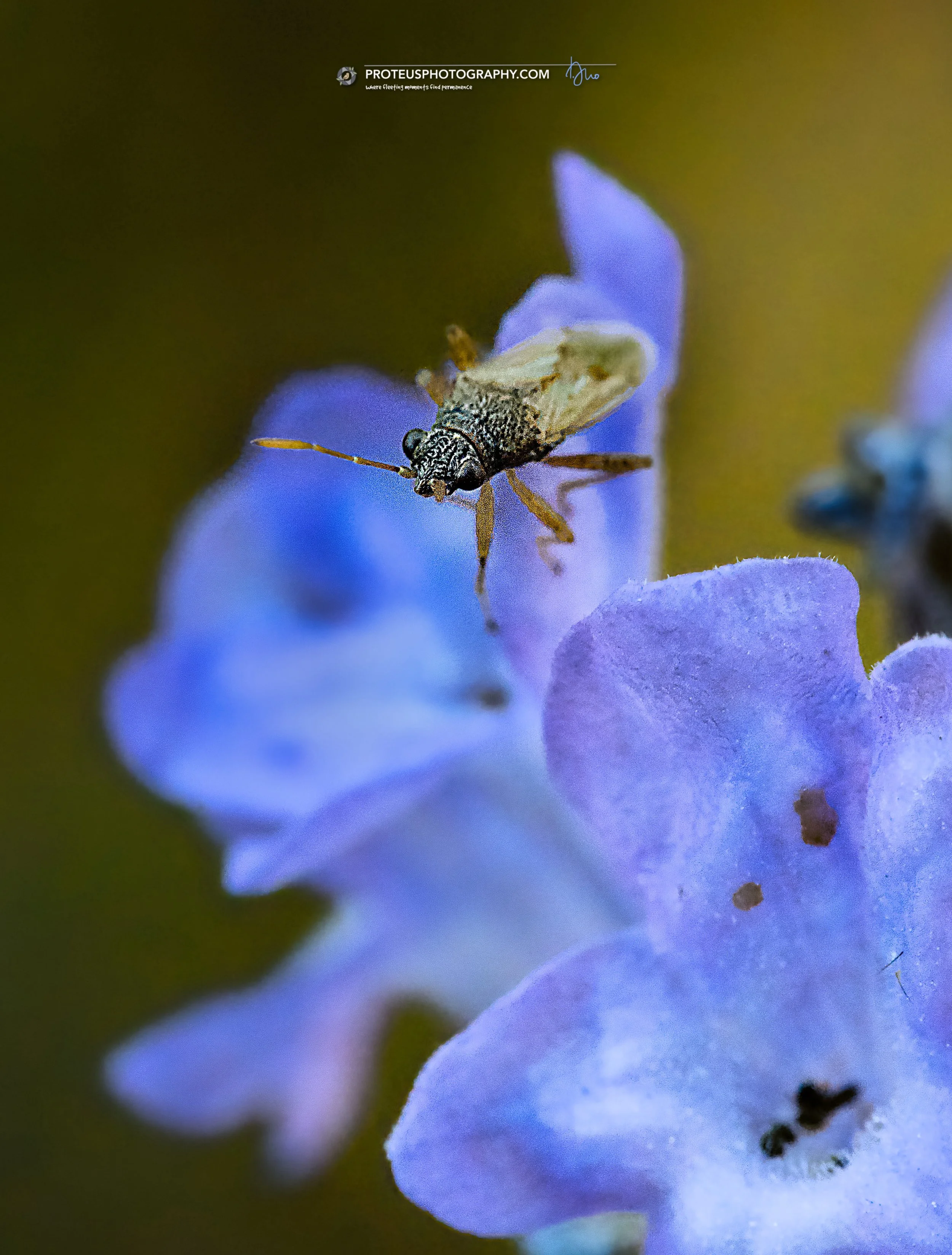
rutherglen bug (nysius)
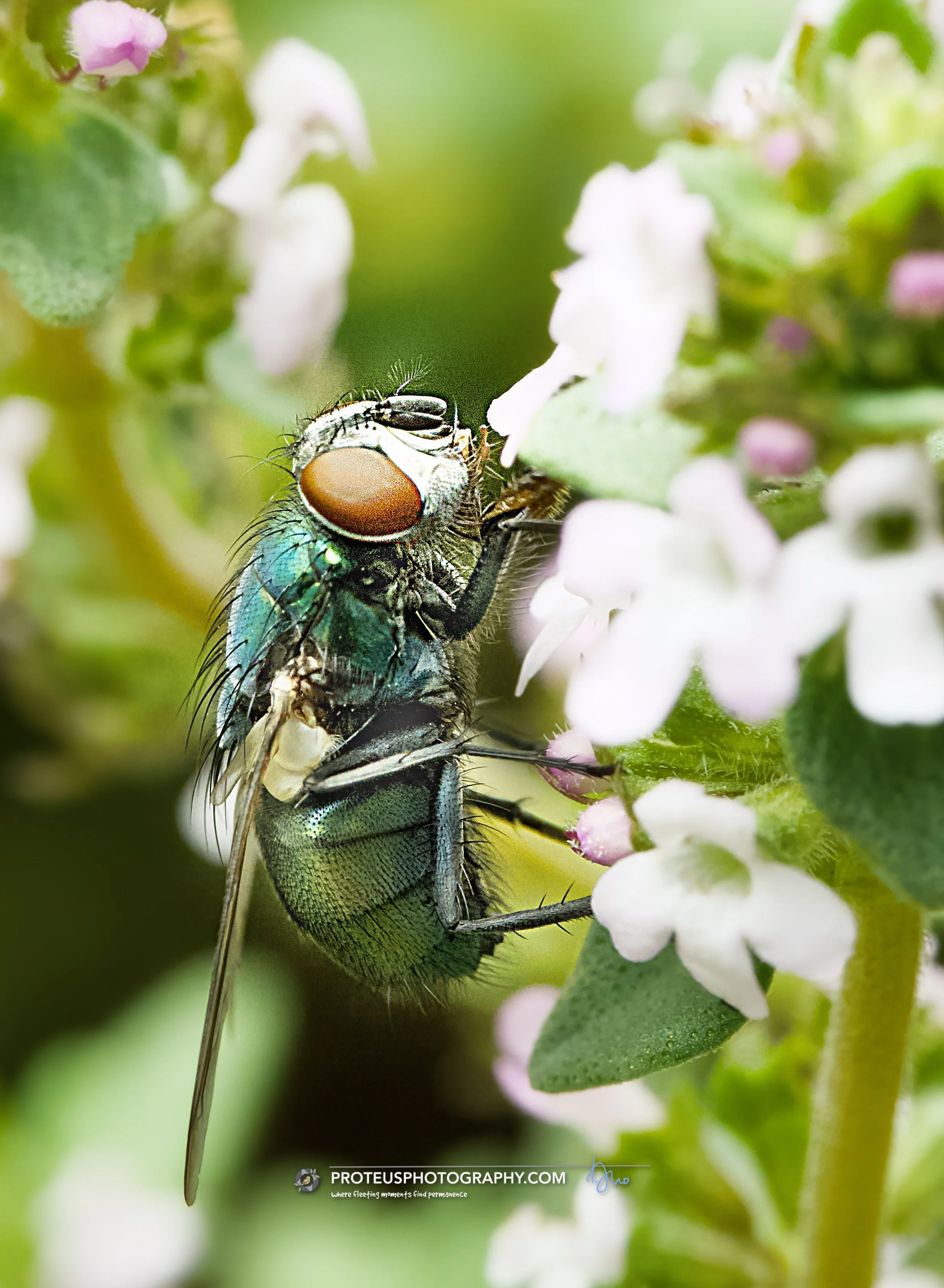
the same, but from a different angle is a green bottle fly (lucilia sericata)resting on thyme flowers (thymus vulgaris)
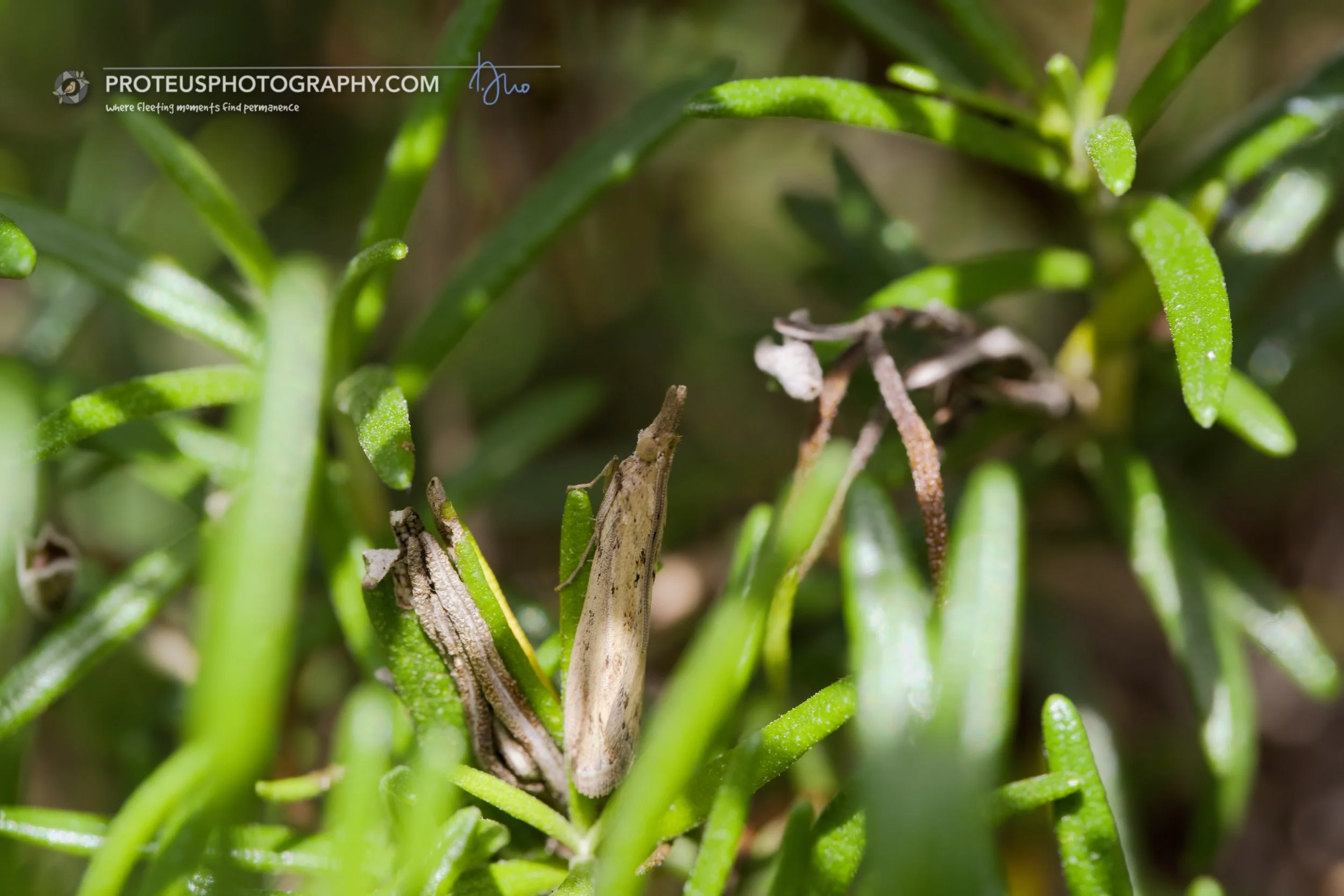
well camoflauged is a grass moth (agriphila selasella)
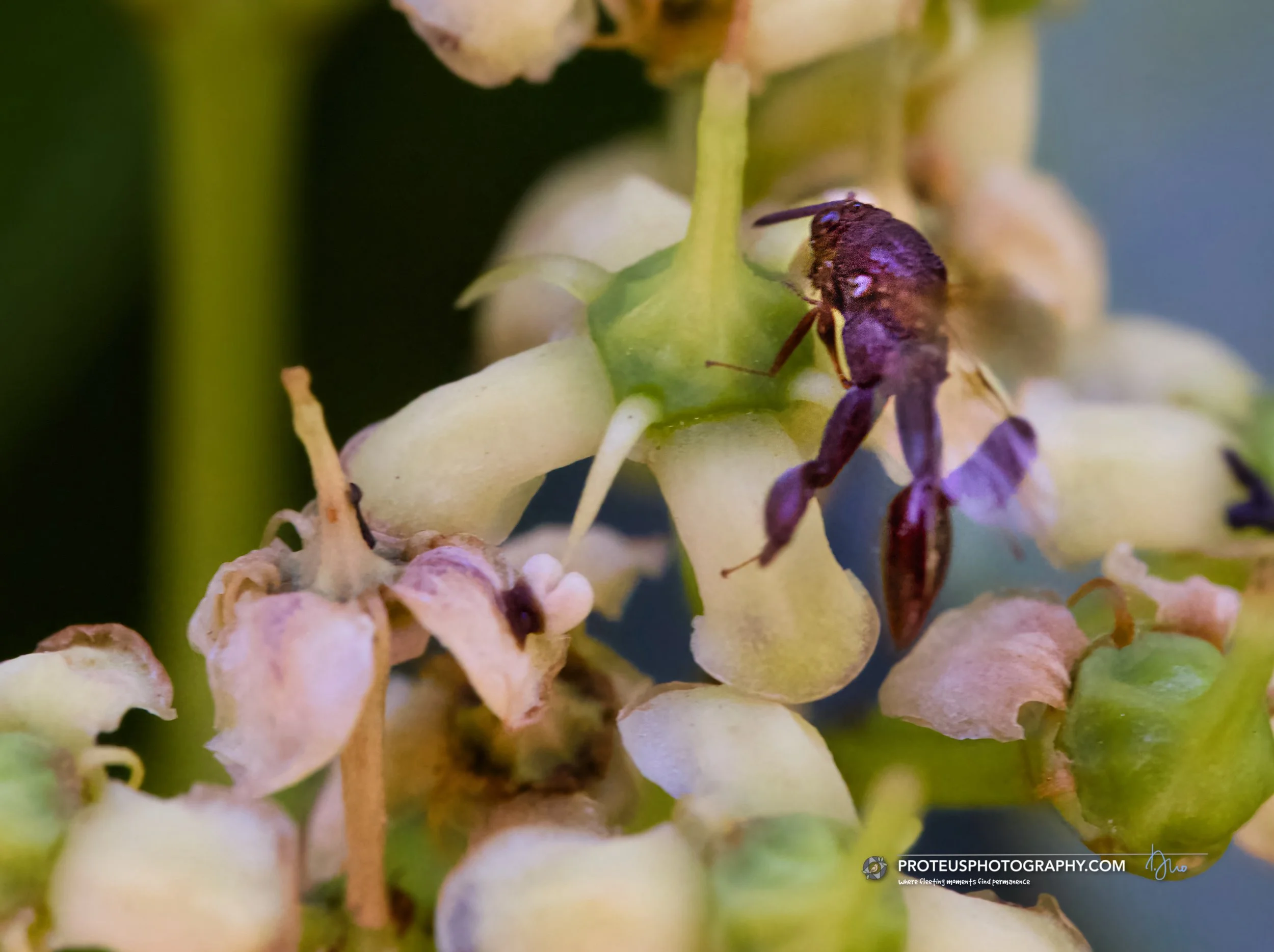
chalcidid wasp; with distinctive "swollen" looking femurs on the hind legs
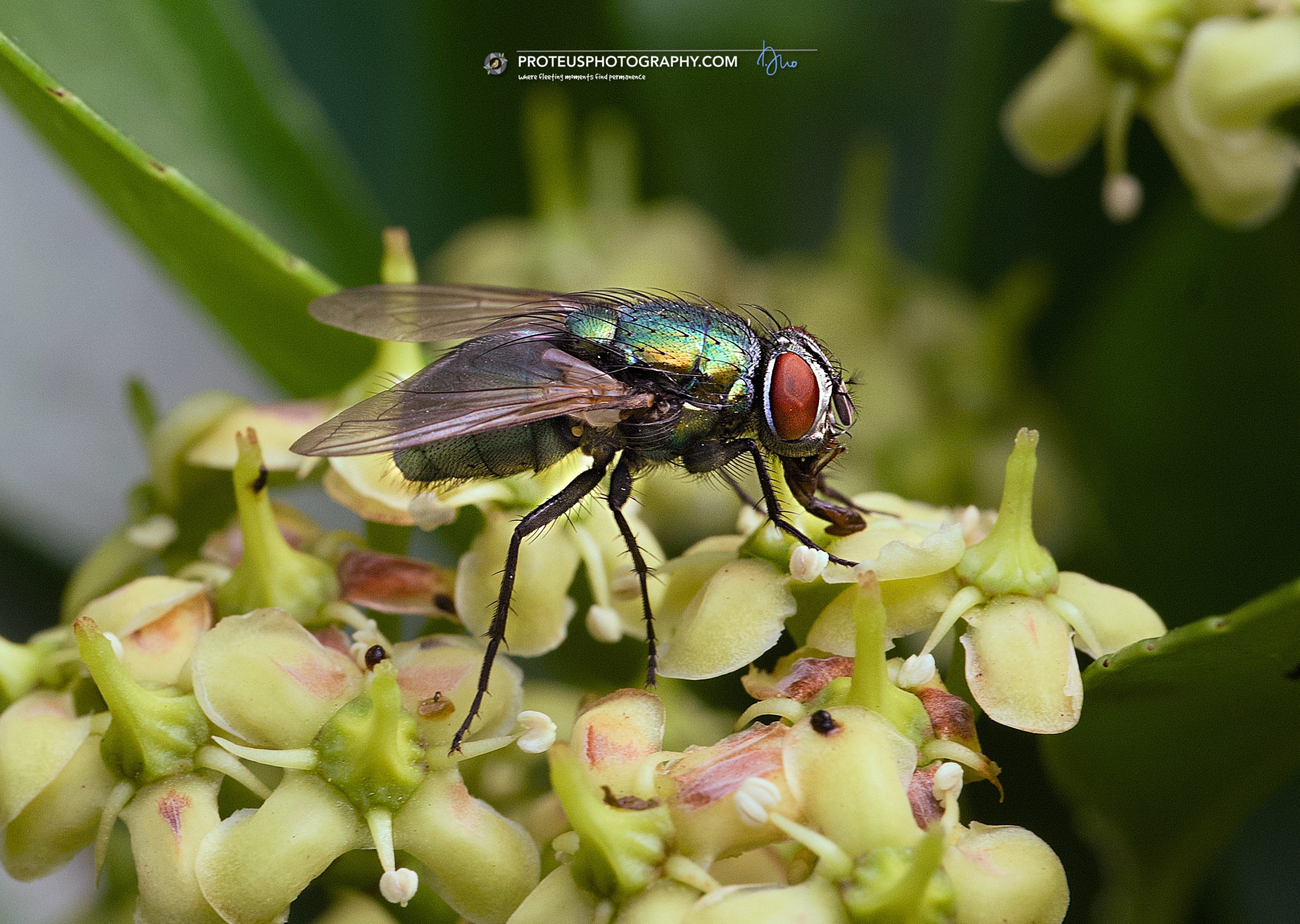
nature’s irony: creating one of its most beautiful metallic finishes, and then giving it questionable taste buds.
greenbottle fly (lucilia sericata)
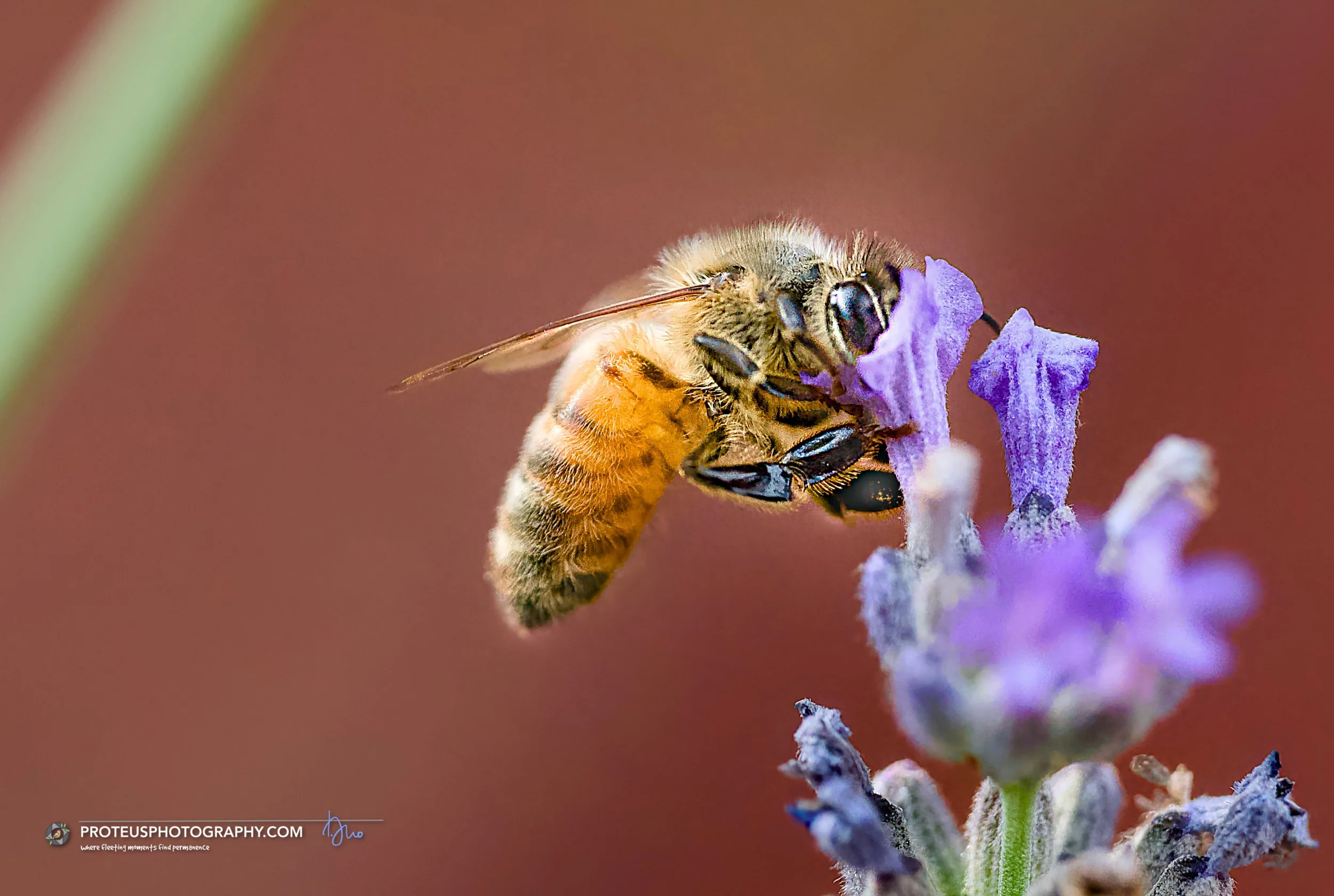
… ensuring the planet’s future, with the vital dance of existence - but mostly just for the snacks!
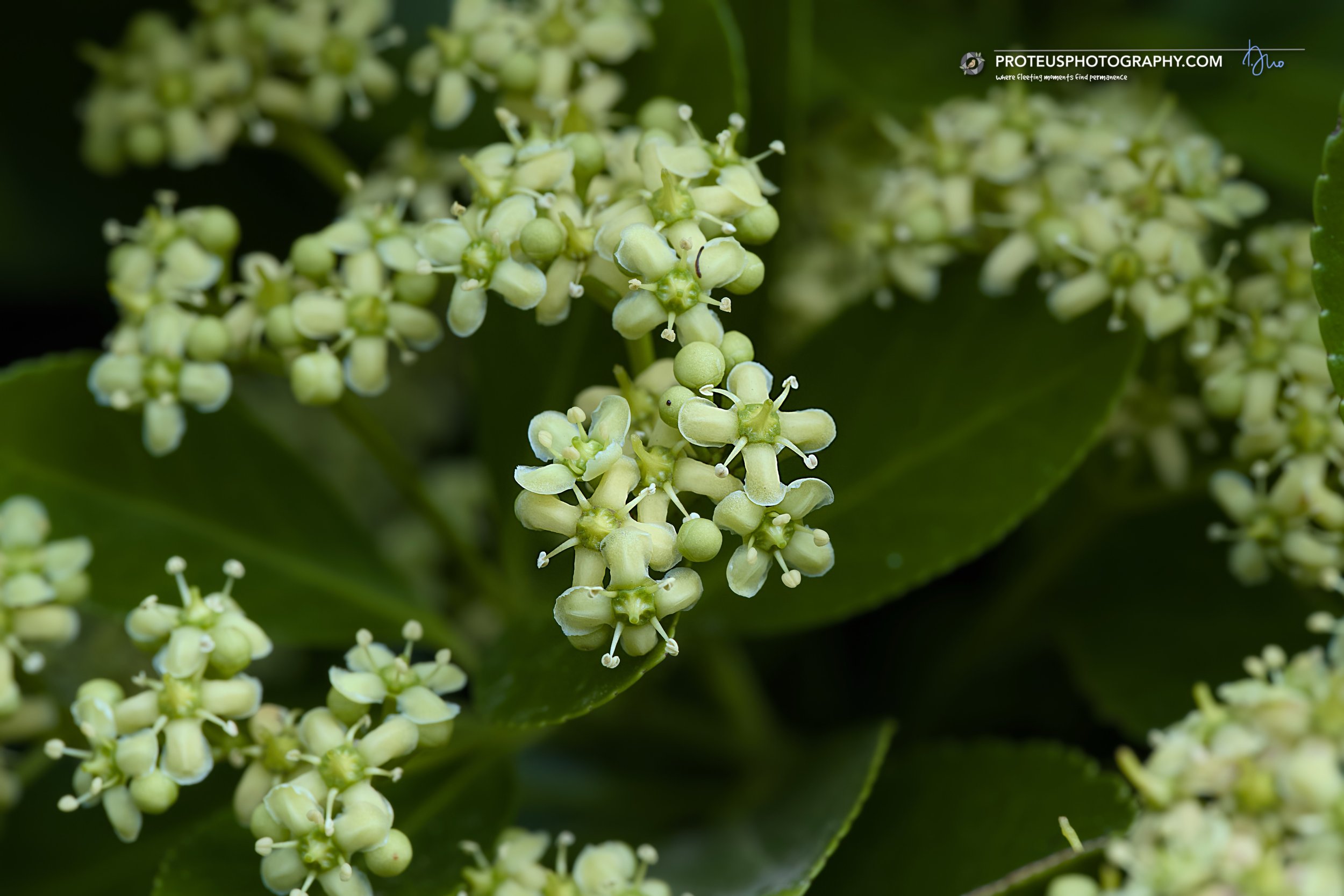
to the Japanese Spindle trees (euonymus japonicus) ... they have, rather than bees, flies that choose to swarm because of the plant's small, often inconspicuous flowers that produce scents (like acetoin) that are highly attractive to flies which act as pollinators
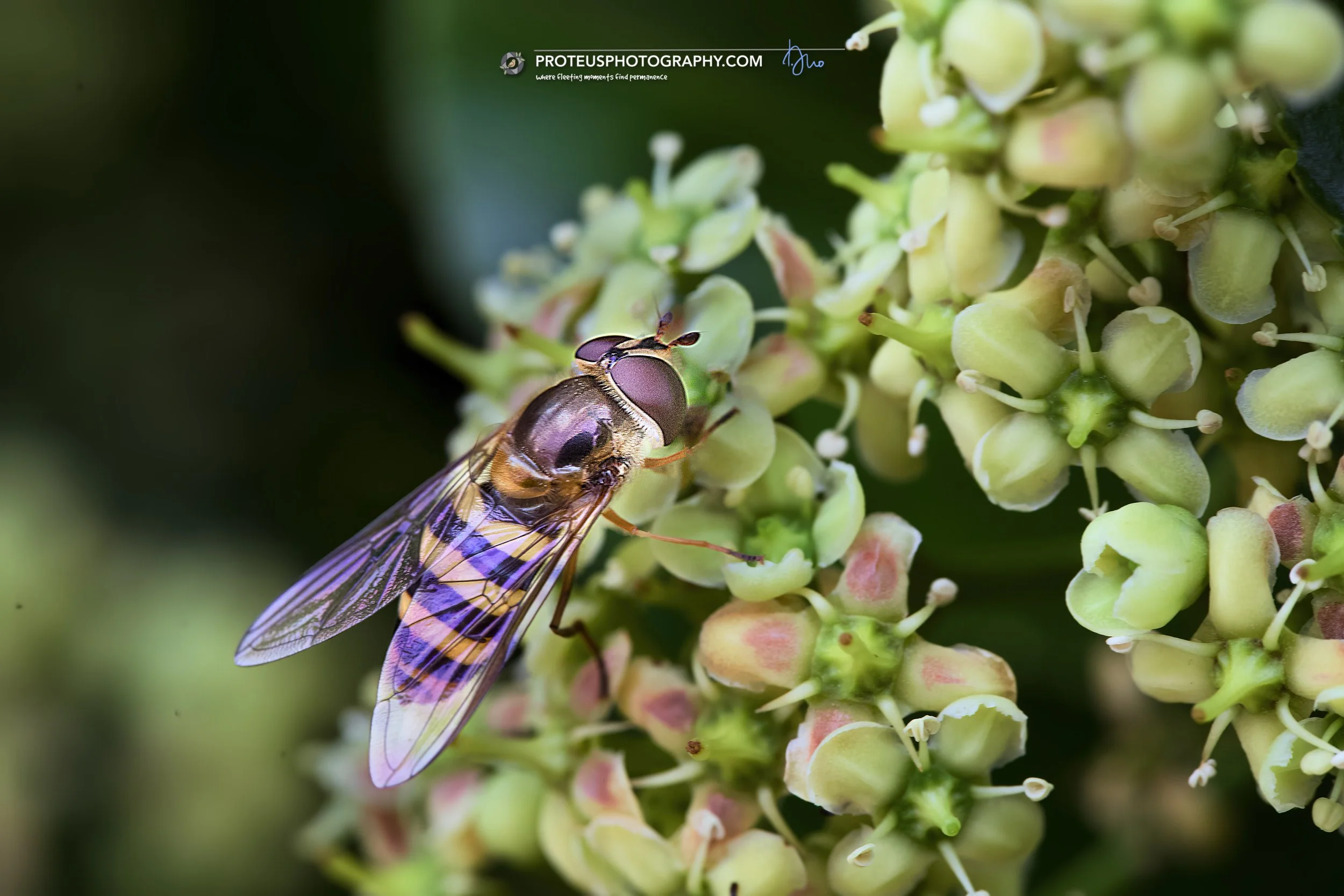
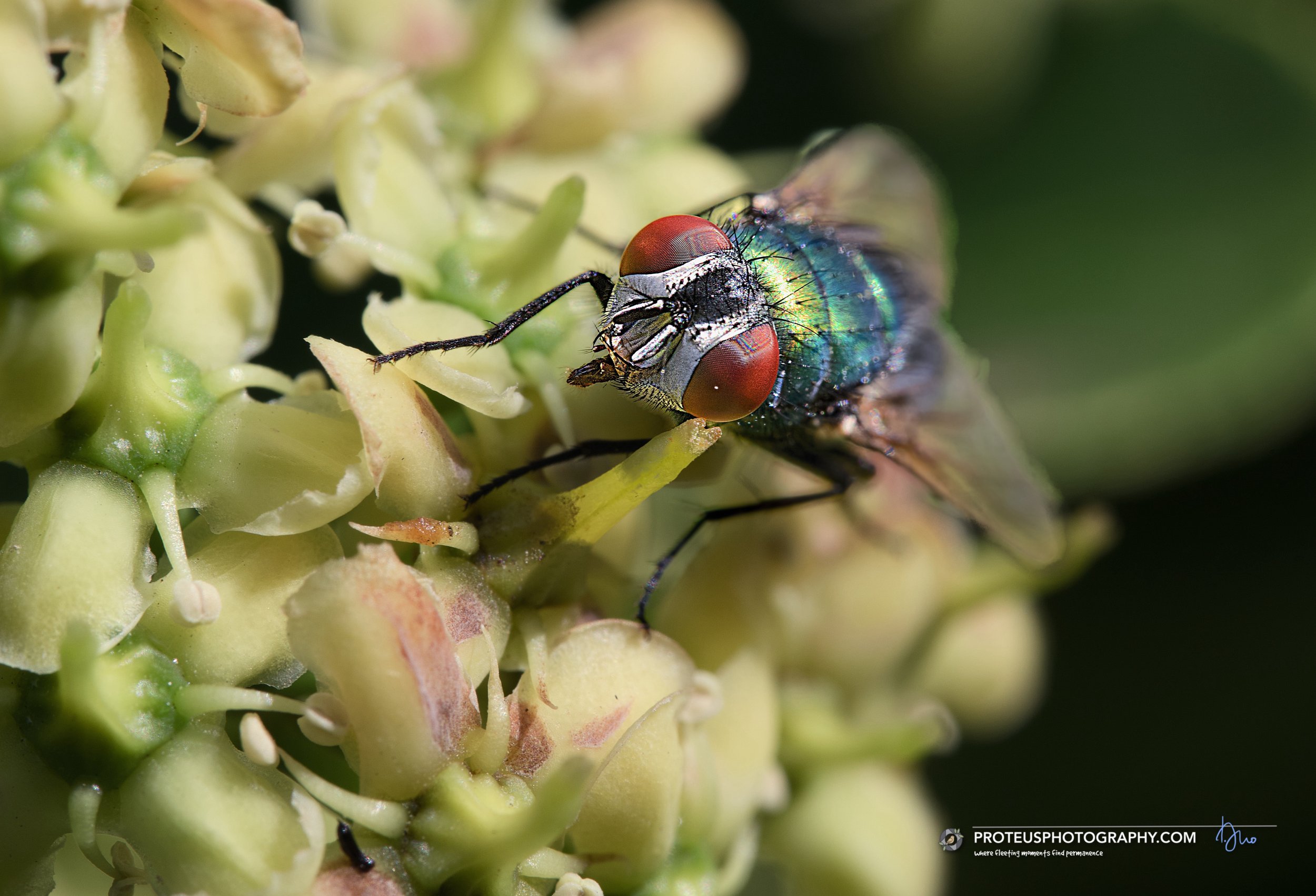
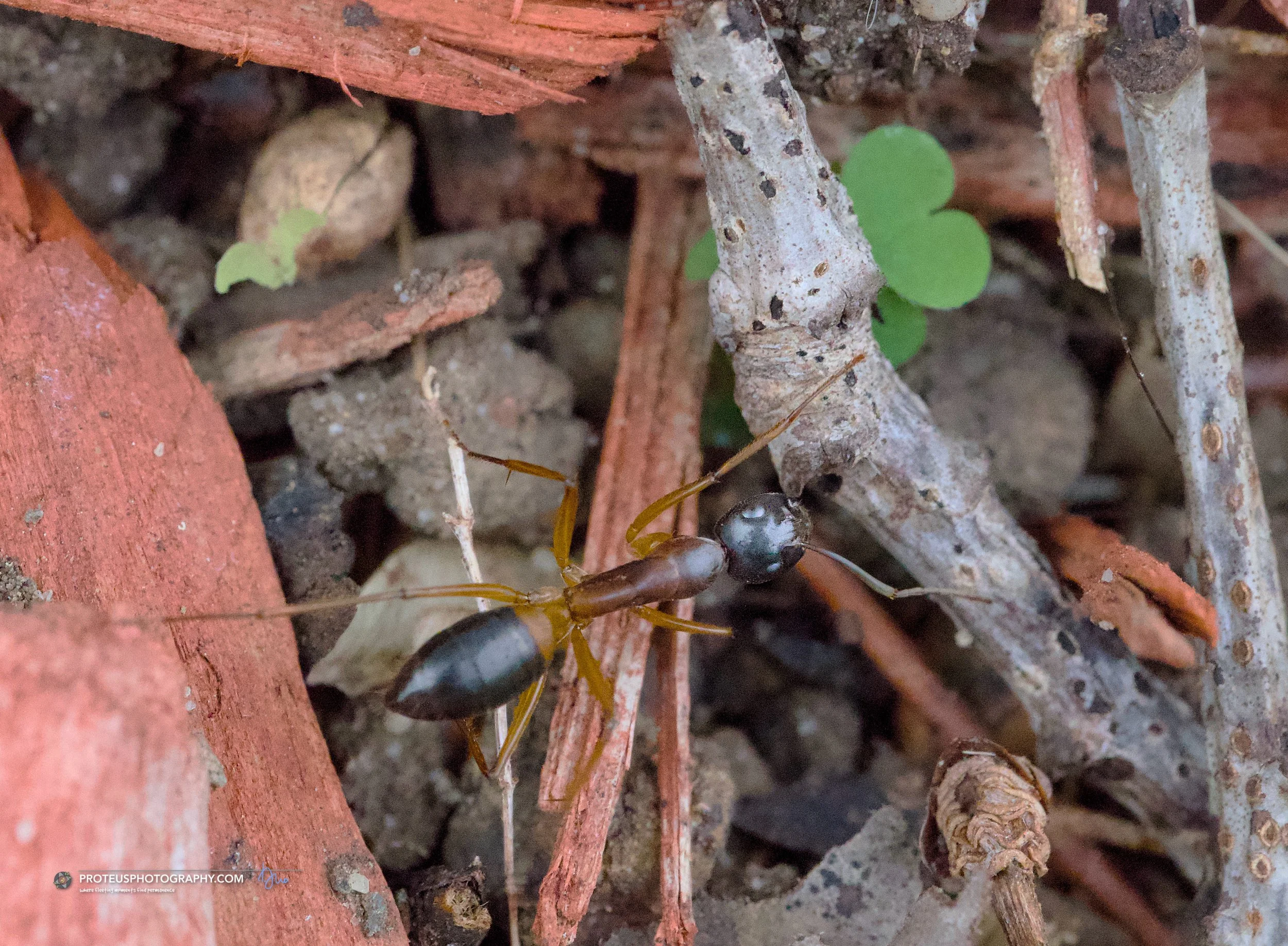
banded sugar ant (Camponotus consobrinus)
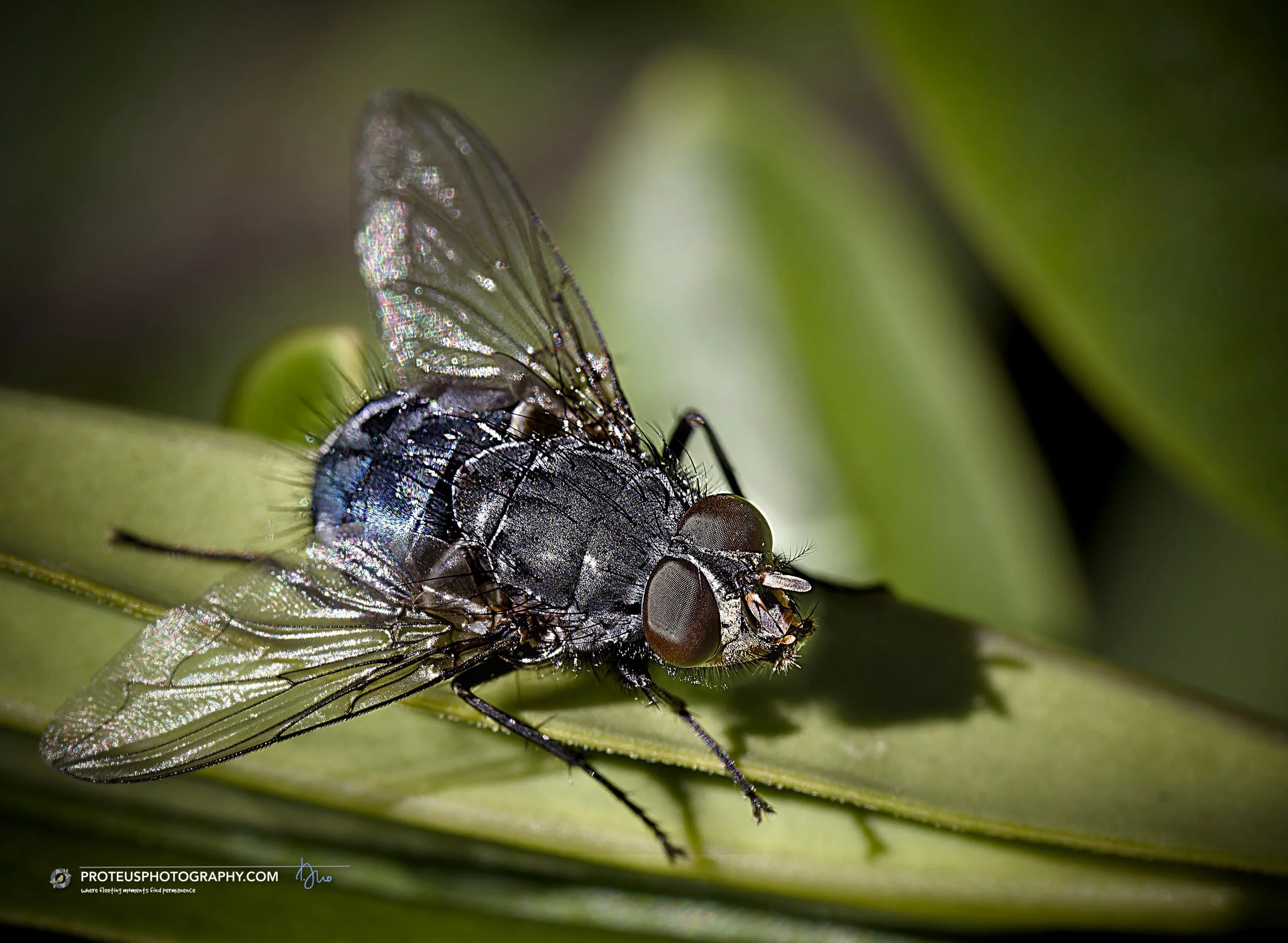
a bluebottle fly (calliphora species)
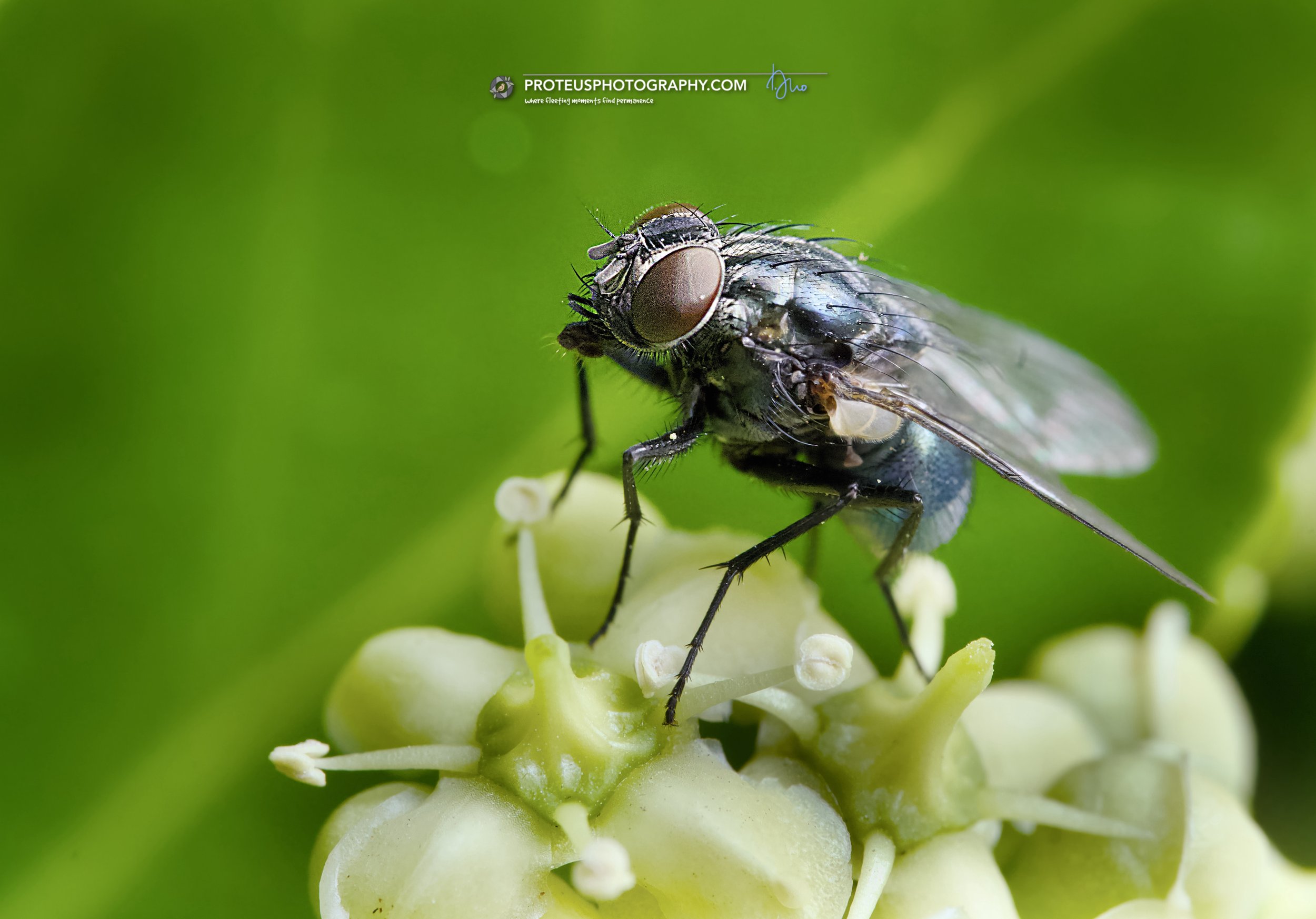
bluebottle fly (calliphora vicina)
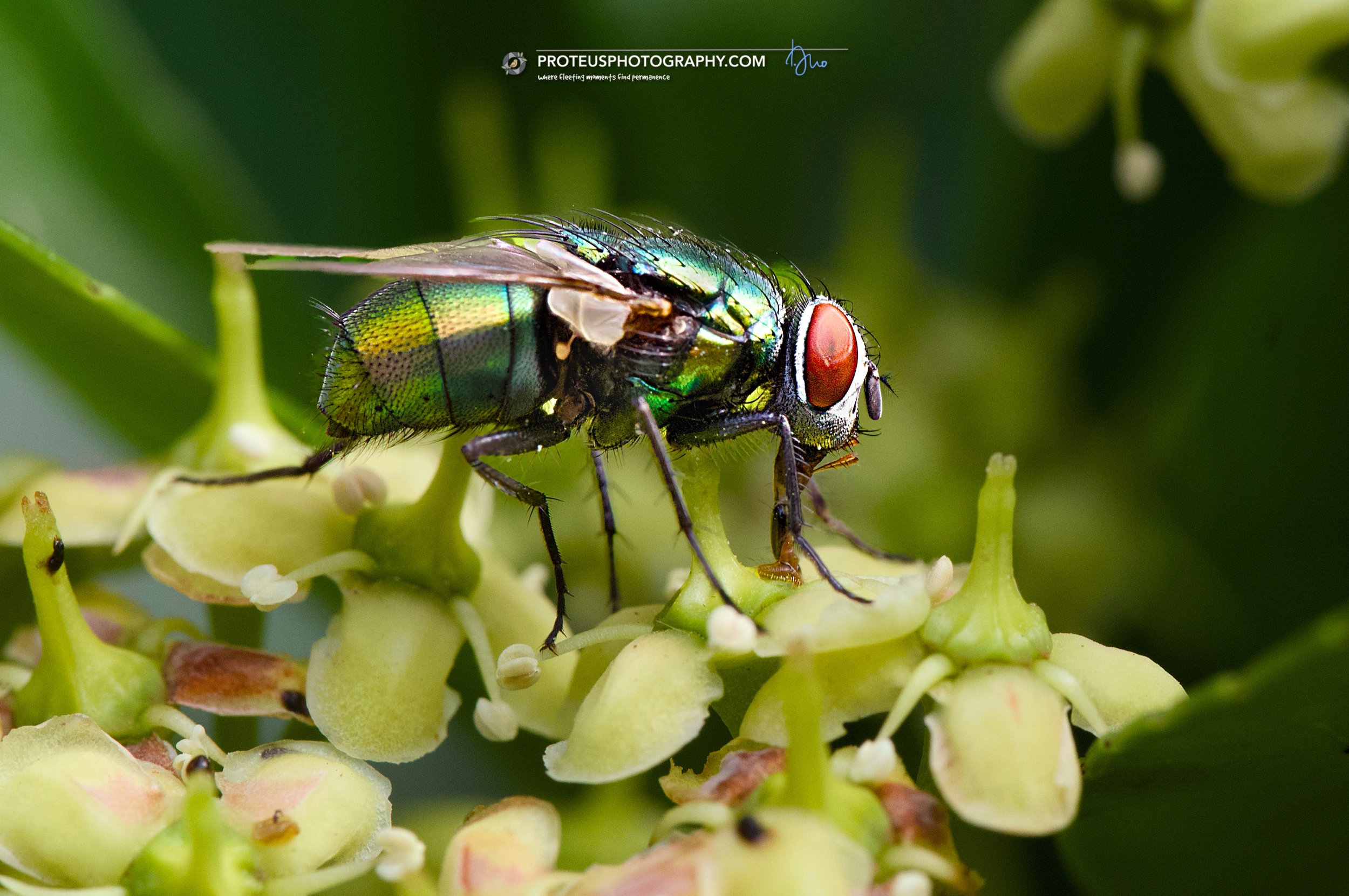
green bottle fly (lucilia sericata)
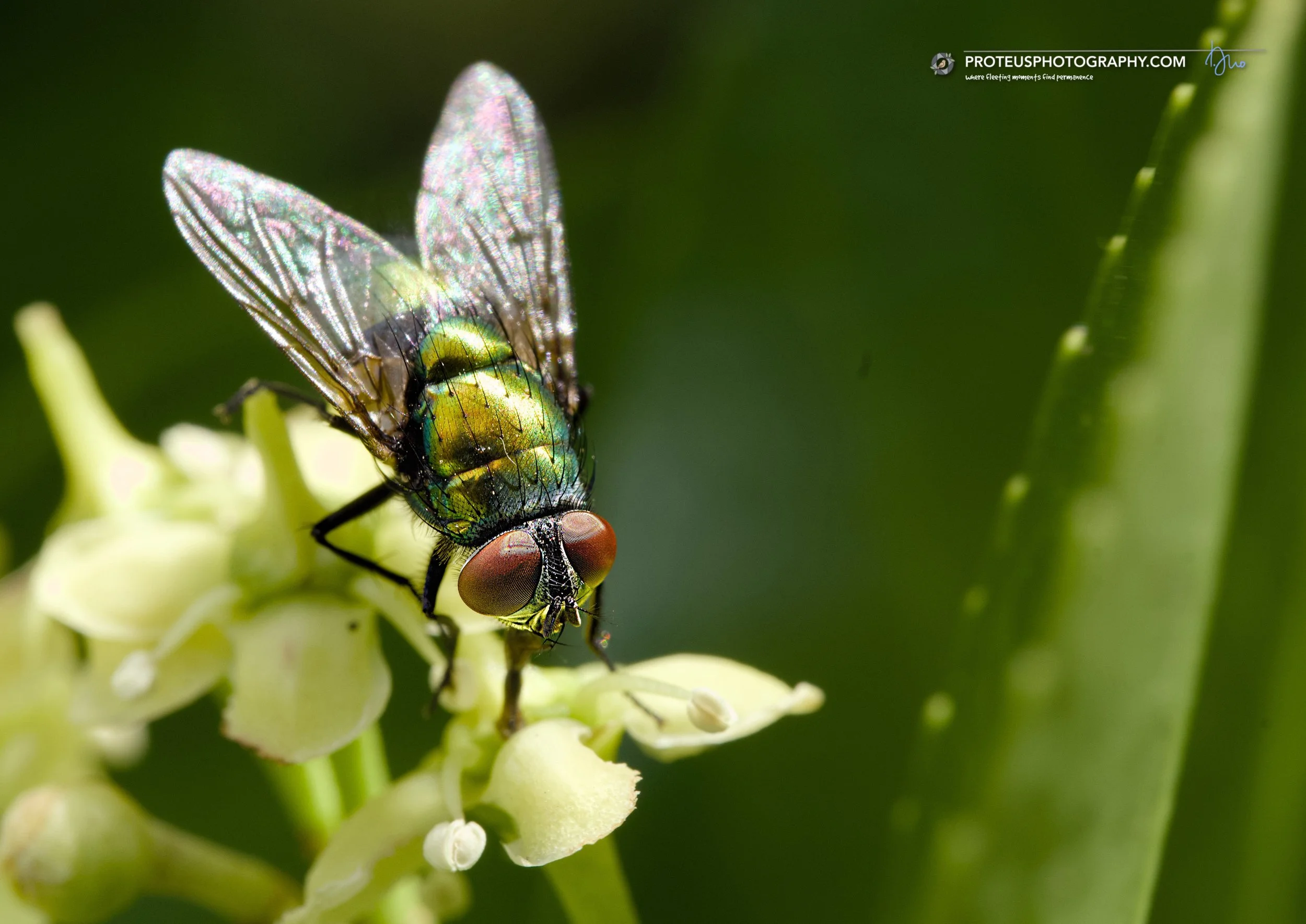
green bottle fly (lucilia sericata)
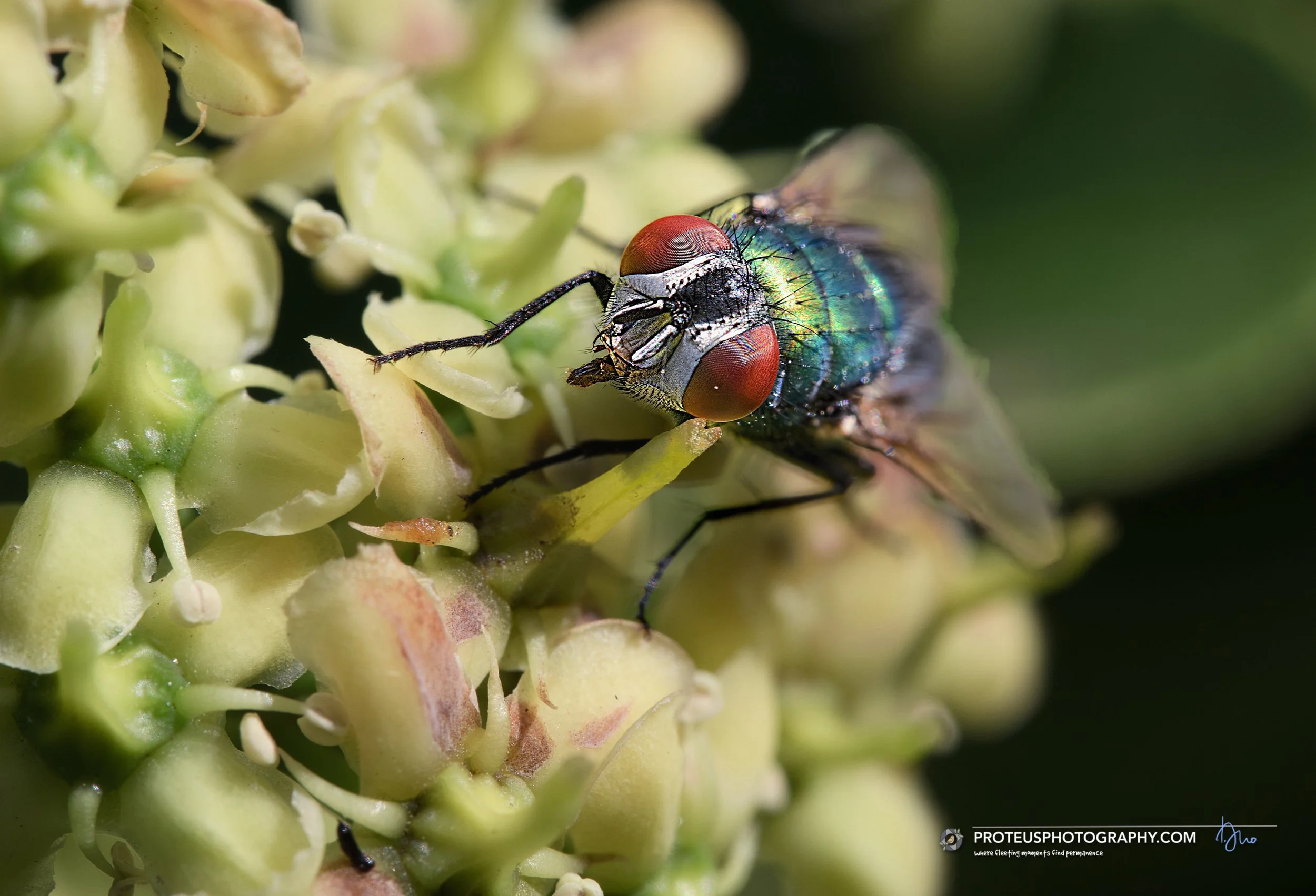
green bottle fly (lucilia sericata)
green bottle fly (lucilia sericata)
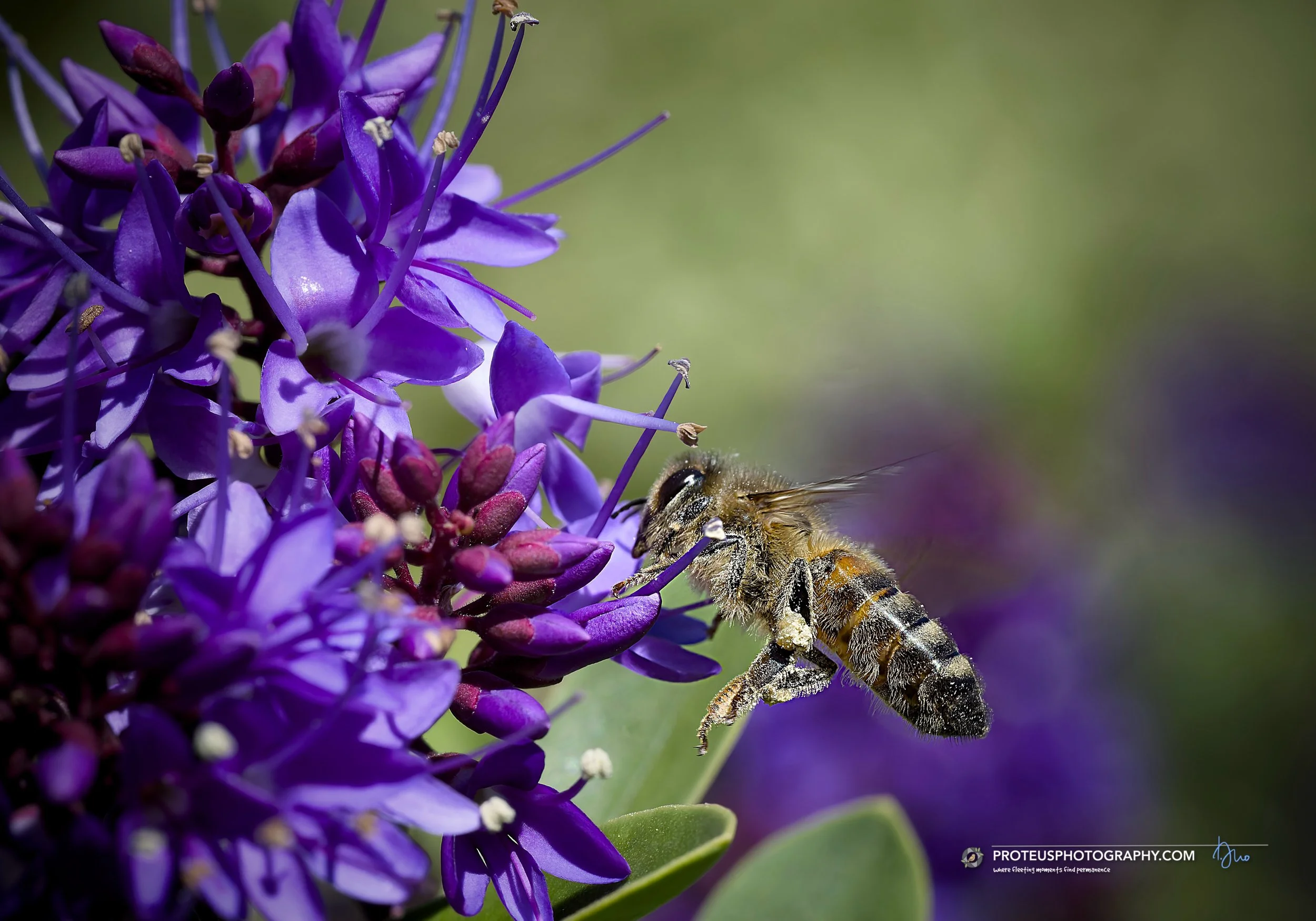
honey bee (Apis mellifera)
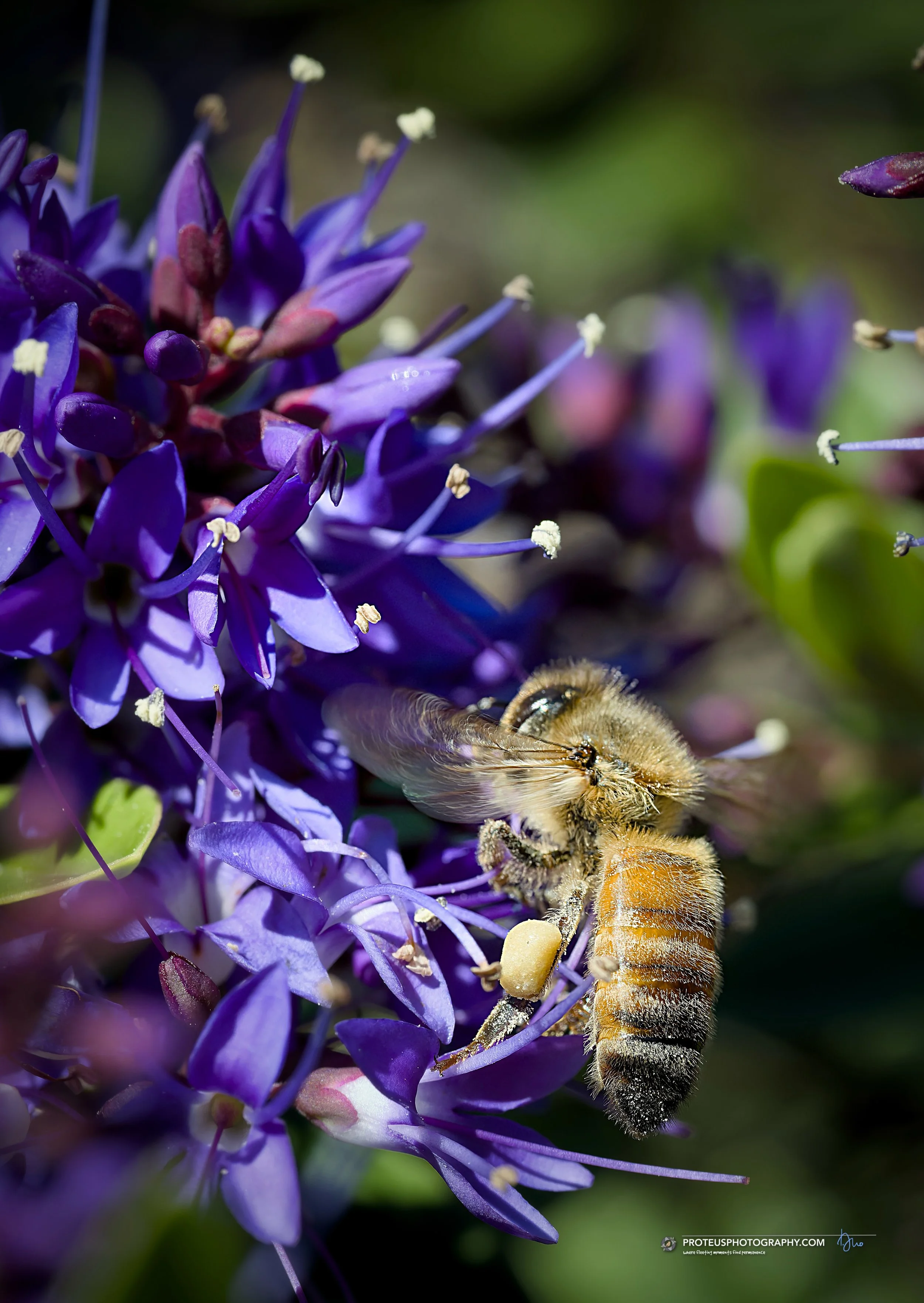
honey bee (apis mellifera)
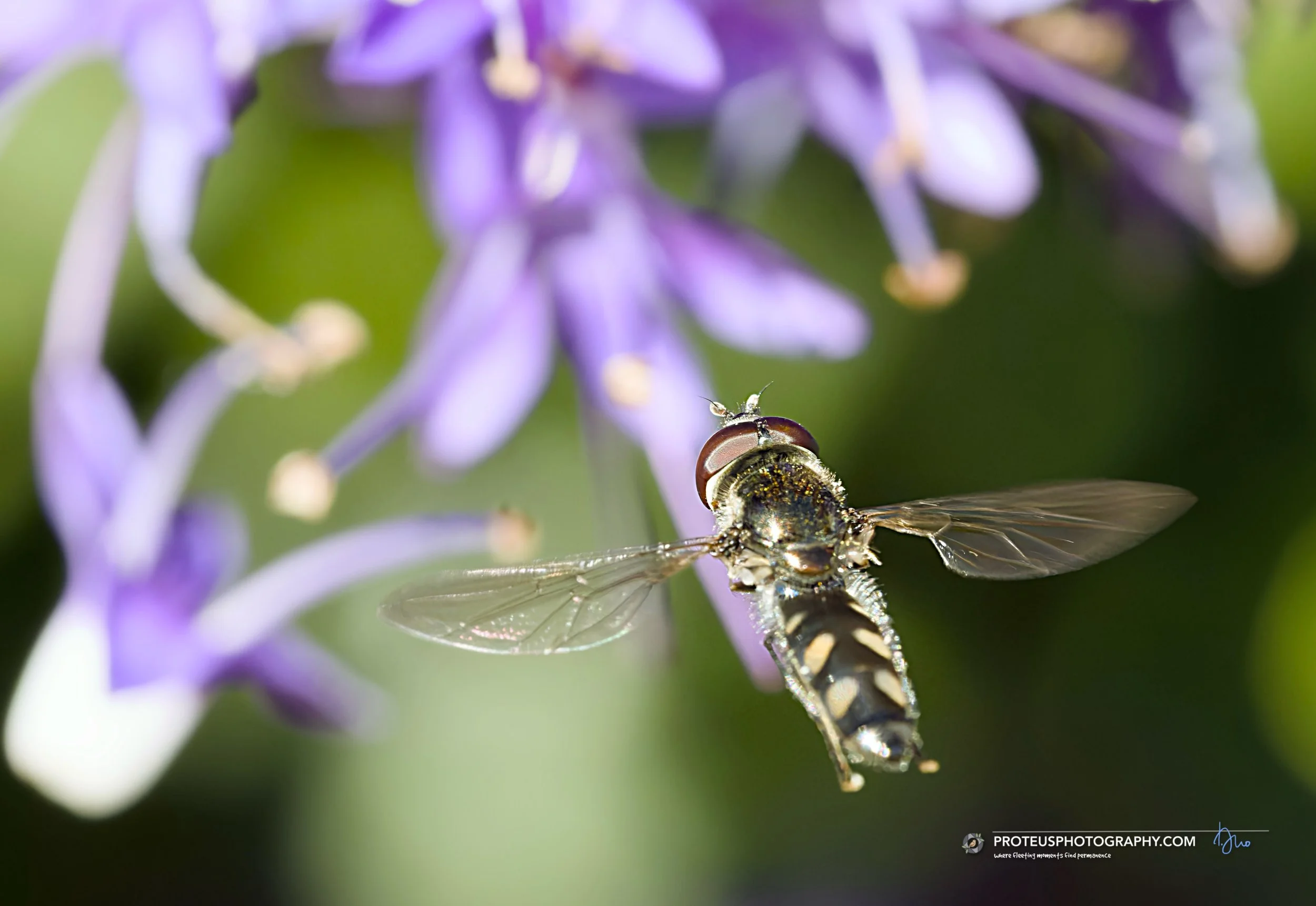
a hoverfly (family Syrphidae),
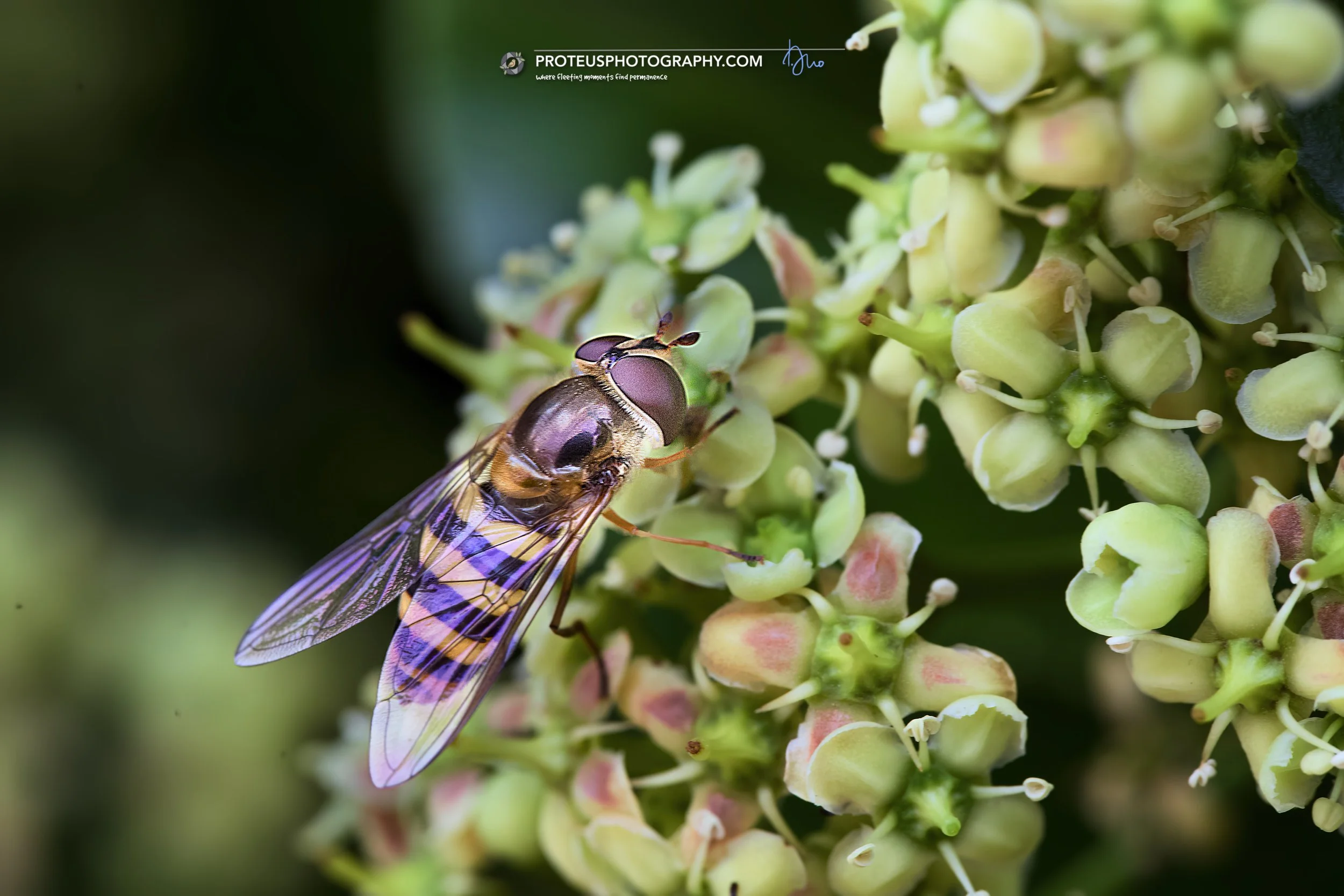
hoverfly, mimicking a bee (syrphus ribesii or Eupeodes corollae)
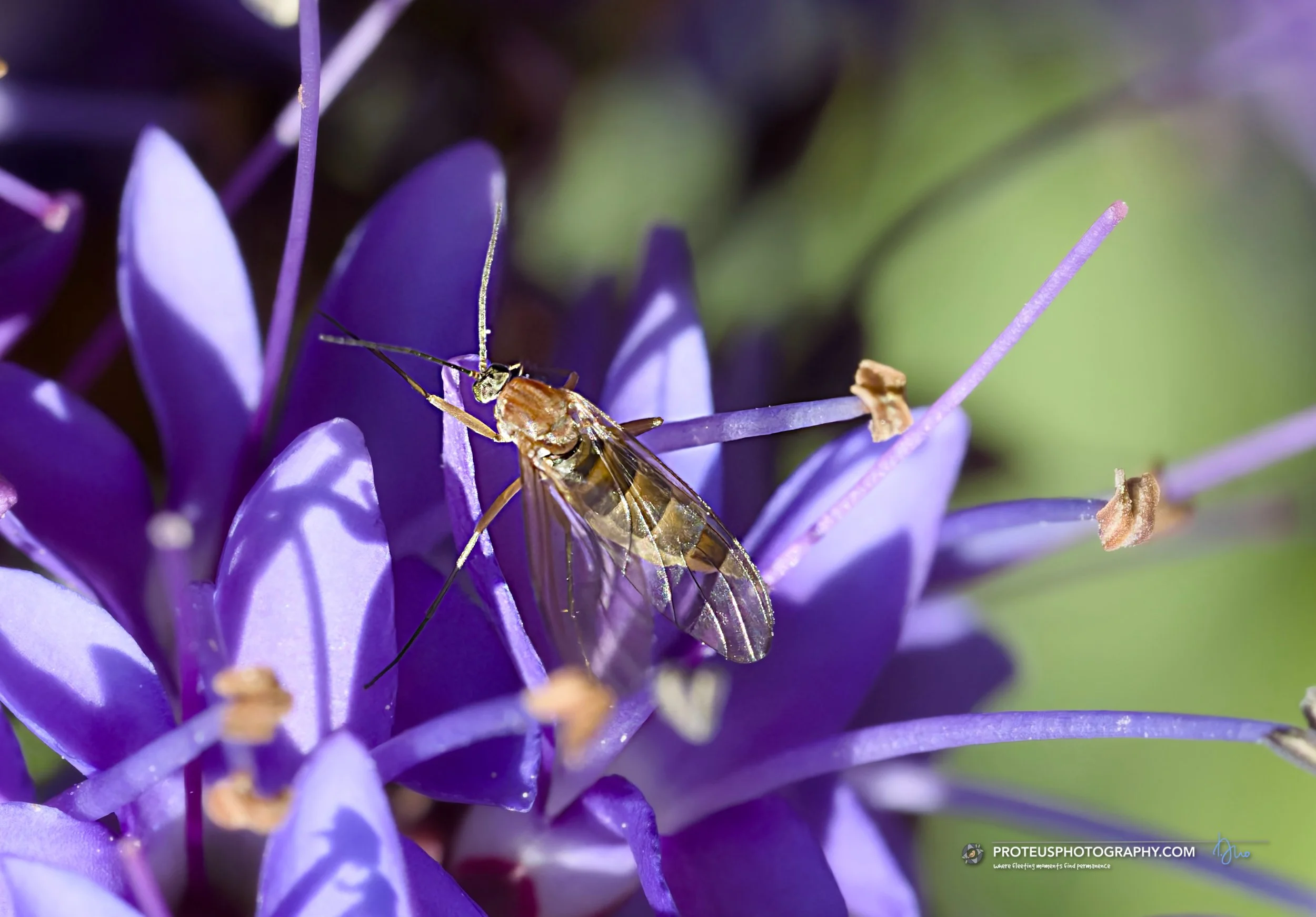
A non-biting midge, a true fly belonging to the family Chironomidae.